9 Best Affordable Support Automation Software Options in 2026
This guide evaluates nine affordable support automation software solutions that deliver enterprise-level features like AI-powered ticket resolution, smart routing, and self-service portals without premium pricing. Each option is assessed on pricing transparency, feature depth at lower tiers, implementation ease, and genuine automation capabilities, helping startups and scaling companies find cost-effective tools that reduce per-ticket costs while handling growing support volumes.
 Matt PattoliFounder12 min read
Finding support automation software that delivers enterprise-grade capabilities without the enterprise price tag can feel like searching for a unicorn. But here's the good news: the market has evolved dramatically. Today's affordable options offer AI-powered ticket resolution, smart routing, and self-service portals at price points that work for growing teams.
Whether you're a startup handling your first thousand tickets or a scaling company looking to reduce per-ticket costs, this guide breaks down the most cost-effective support automation tools available right now. We evaluated each option based on pricing transparency, feature depth at lower tiers, ease of implementation, and actual automation capabilities—not just fancy dashboards.
Here are the top affordable support automation software options to consider.
1. Halo AI
Best for: B2B teams wanting AI agents that continuously learn and improve
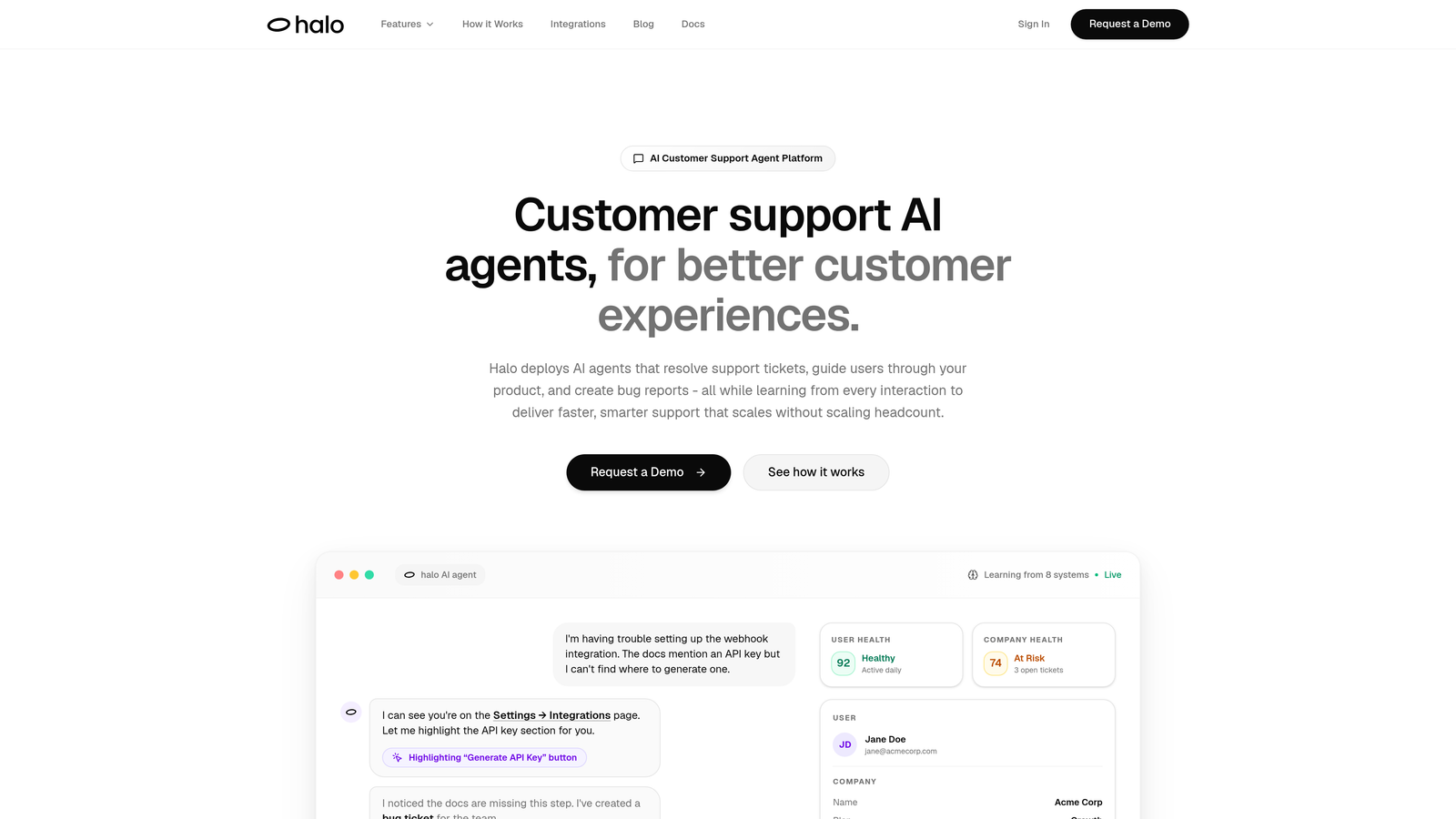
Halo AI is an AI-powered support platform built around intelligent agents that autonomously resolve tickets and learn from every interaction.
Where This Tool Shines
Unlike traditional helpdesks with AI bolted on, Halo is AI-first from the ground up. The platform's agents don't just categorize tickets—they actually resolve them, drawing on your product knowledge and past interactions to provide accurate answers.
The page-aware chat widget is a standout feature. It sees exactly what your users see on screen, allowing agents to provide visual guidance rather than generic instructions. This contextual awareness dramatically reduces back-and-forth and speeds up resolution times.
Key Features
Autonomous AI Agents: Resolve support tickets without human intervention, handling routine queries and escalating complex issues appropriately.
Page-Aware Context: Chat widget understands the user's current screen state to provide precise, visual guidance through your product.
Business Intelligence Analytics: Smart inbox surfaces customer health signals, revenue intelligence, and anomaly detection beyond basic support metrics.
Automatic Bug Reporting: Creates properly formatted bug tickets in Linear or your project management tool when issues are detected.
Extensive Integrations: Connects to your entire business stack including Zendesk, Intercom, Slack, HubSpot, Stripe, and more for unified context.
Best For
Growing B2B companies and product teams who need support that scales without adding headcount. Particularly valuable if you're already using helpdesk systems like Zendesk or Intercom and want to layer on genuine AI capabilities that improve over time.
Pricing
Contact for pricing. Designed specifically for growing B2B teams looking to automate support without enterprise-level budgets.
2. Freshdesk
Best for: Small teams wanting a feature-rich free tier with room to grow
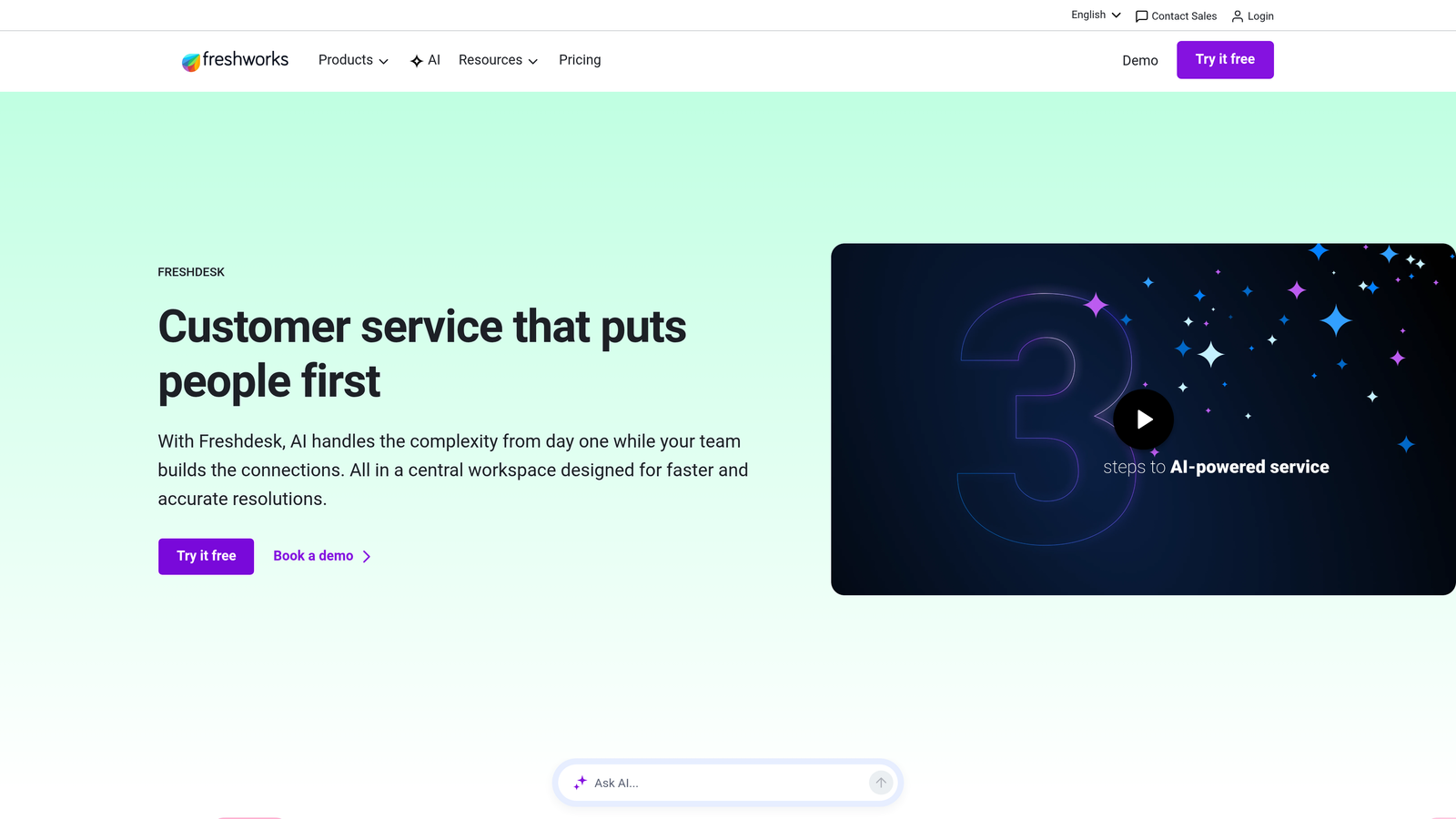
Freshdesk is an established helpdesk platform offering robust automation through Freddy AI, with a generous free tier that supports up to 10 agents.
Where This Tool Shines
The free tier is genuinely useful—not a stripped-down teaser. You get essential automation features, ticketing, and even basic AI capabilities without paying anything. This makes Freshdesk ideal for bootstrapped startups that need real functionality immediately.
Freddy AI handles intelligent ticket classification and routing, learning from your team's actions to suggest responses and automate repetitive tasks. The automation rules engine lets you create workflows without coding, routing tickets based on keywords, customer properties, or time-based triggers.
Key Features
Generous Free Tier: Up to 10 agents can use core helpdesk features including ticketing, automation rules, and basic reporting at no cost.
Freddy AI Assistant: Suggests responses, categorizes tickets automatically, and learns from agent actions to improve over time.
Canned Responses: Save and reuse common answers with placeholders for personalization, speeding up response times significantly.
Self-Service Portal: Build a knowledge base where customers can find answers before creating tickets, reducing volume.
Multi-Channel Support: Handle email, chat, phone, and social media from a unified inbox.
Best For
Small support teams under 10 people who need full-featured helpdesk software without immediate costs. Also works well for growing teams that will eventually need advanced features as paid tiers offer strong scaling options.
Pricing
Free tier available for up to 10 agents. Paid plans start at $15 per agent monthly, with Growth and Pro tiers adding advanced automation and AI features.
3. Zoho Desk
Best for: Companies already using Zoho products or needing multi-department support
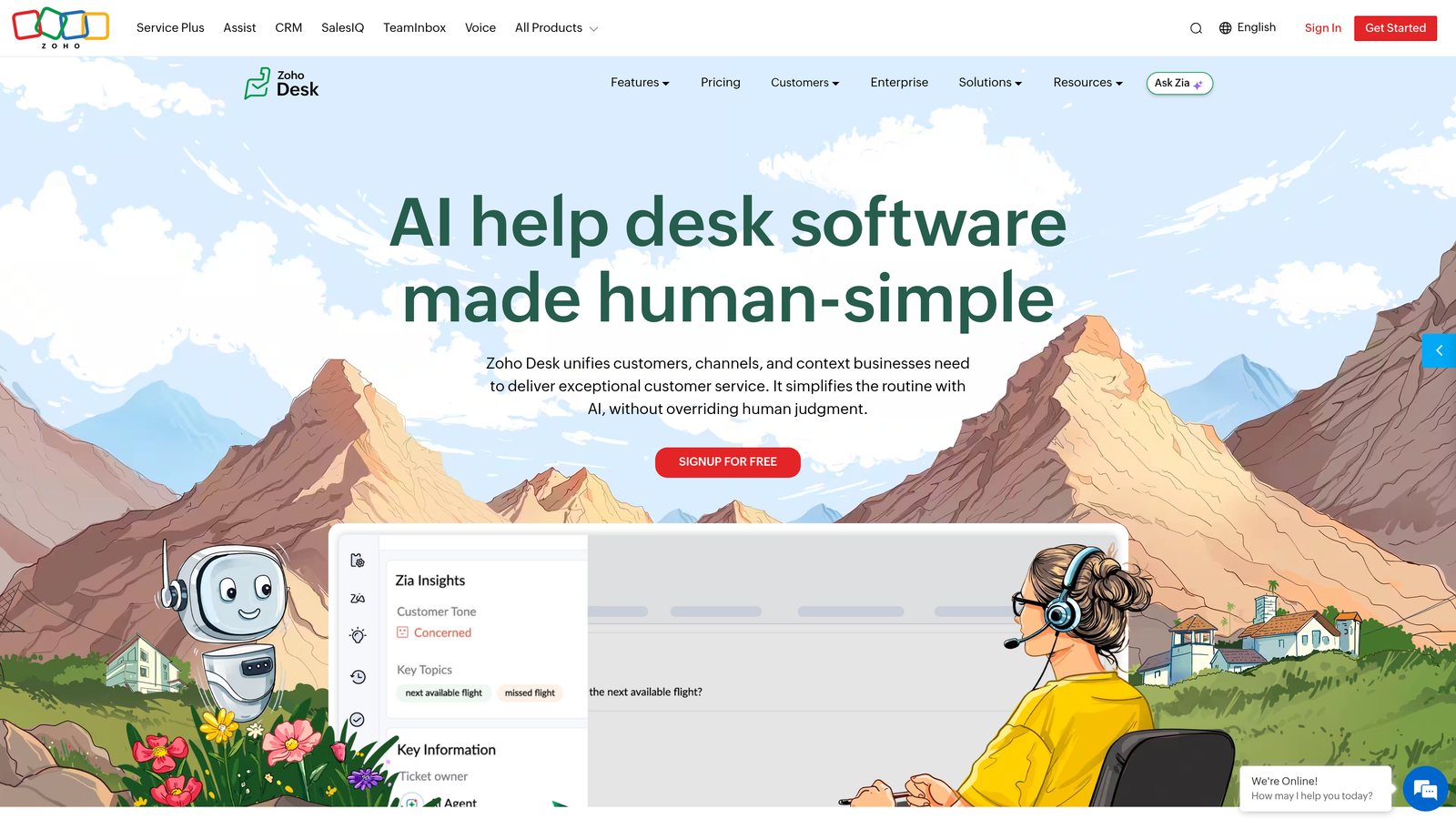
Zoho Desk is a context-aware helpdesk with Zia AI assistant, deeply integrated with the broader Zoho ecosystem of business tools.
Where This Tool Shines
If you're already using Zoho CRM, Zoho Books, or other Zoho applications, this becomes incredibly powerful. Customer data flows seamlessly between systems, giving agents complete context without switching tools. Support conversations appear directly in CRM records, and sales data informs support interactions.
Zia AI goes beyond basic automation with sentiment analysis and intelligent ticket tagging. It can detect frustrated customers and flag them for priority handling, or identify patterns across tickets that suggest larger product issues.
Key Features
Zia AI Intelligence: Performs sentiment analysis, suggests responses, tags tickets automatically, and predicts customer satisfaction scores.
Blueprint Automation: Create visual process workflows that guide agents through complex support scenarios step-by-step.
Zoho Ecosystem Integration: Native connections to Zoho CRM, Books, Projects, and other Zoho apps for unified business context.
Multi-Department Management: Separate support portals and workflows for different departments while maintaining centralized oversight.
Customizable Portals: Build branded self-service portals with knowledge bases, community forums, and ticket submission forms.
Best For
Companies already invested in the Zoho ecosystem, or those managing support across multiple departments who need separate workflows but unified reporting. The integration depth makes it especially valuable for teams wanting support data to inform sales and marketing.
Pricing
Free tier for up to 3 agents. Standard plan at $14 per agent monthly, Professional at $23, and Enterprise at $40 with advanced AI and automation features.
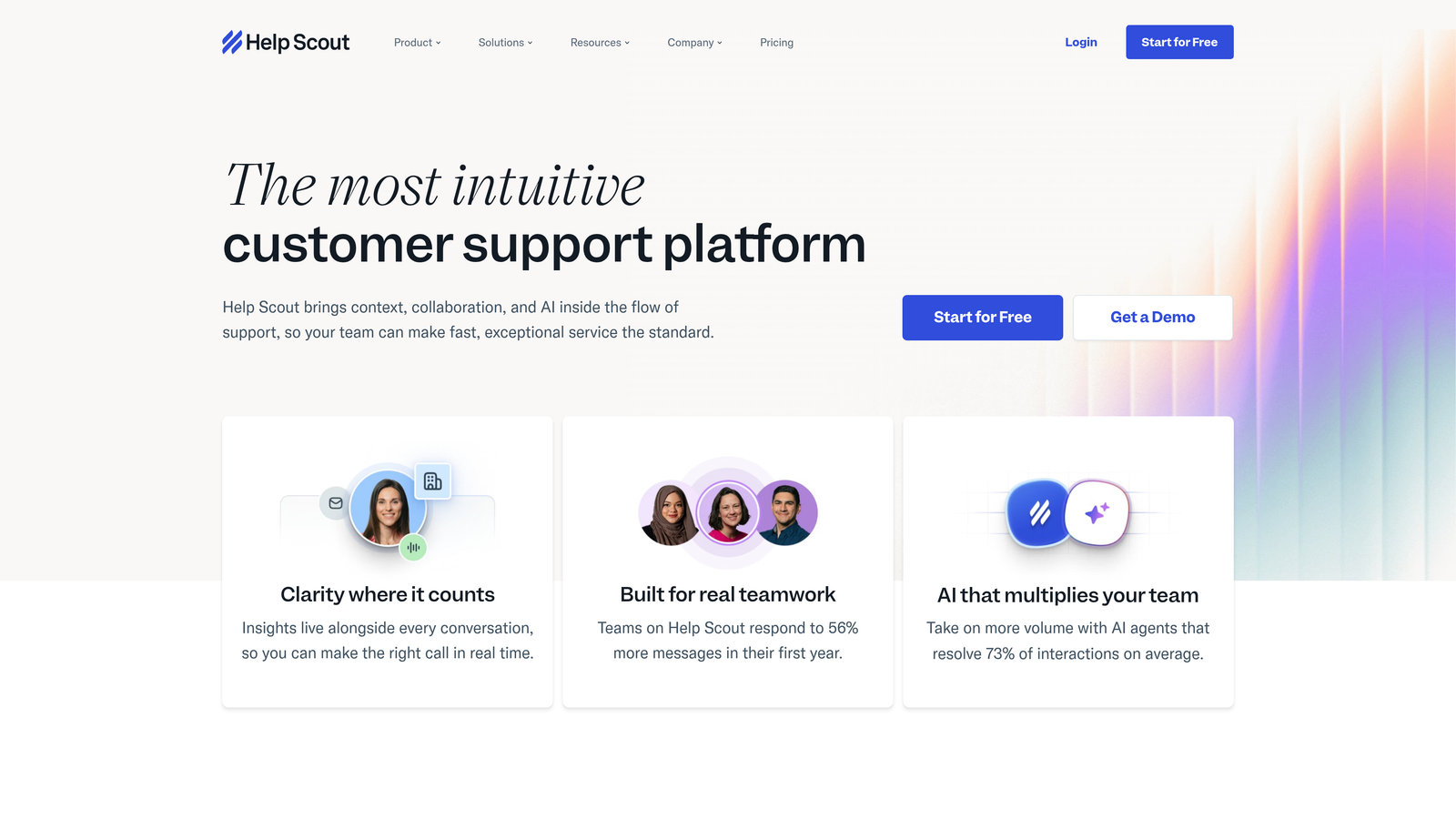
4. Help Scout
Best for: Teams prioritizing customer relationships over ticket metrics
Help Scout is a customer-first support platform focused on meaningful conversations, with thoughtful automation that enhances rather than replaces human interaction.
Where This Tool Shines
Help Scout feels more like email than a traditional ticketing system, which customers appreciate. The interface is clean and conversation-focused, making interactions feel personal rather than transactional. This approach works particularly well for companies where support is a competitive advantage.
The Beacon widget is brilliantly designed—it embeds documentation, chat, and contact forms in a single interface that adapts based on the page users are viewing. Customers often find answers without creating tickets, and when they do reach out, agents have full context.
Key Features
Beacon Widget: Embedded help widget that shows relevant docs based on current page, with seamless escalation to chat or email.
Automated Workflows: Route conversations based on content, customer properties, or team availability without making interactions feel robotic.
Collision Detection: Prevents multiple agents from responding to the same conversation, eliminating embarrassing duplicate replies.
Customer Profiles: Complete conversation history and custom properties visible without leaving the inbox.
Docs Knowledge Base: Included in all plans, with analytics showing which articles prevent tickets and which need improvement.
Best For
B2B companies and SaaS products where support quality directly impacts retention. Works especially well for teams that view support as a relationship-building function rather than a cost center to minimize.
Pricing
Starts at $20 per user monthly. All plans include the full feature set with differences mainly in user limits and advanced reporting capabilities.
5. Tidio
Best for: E-commerce stores wanting chat and chatbots without technical complexity
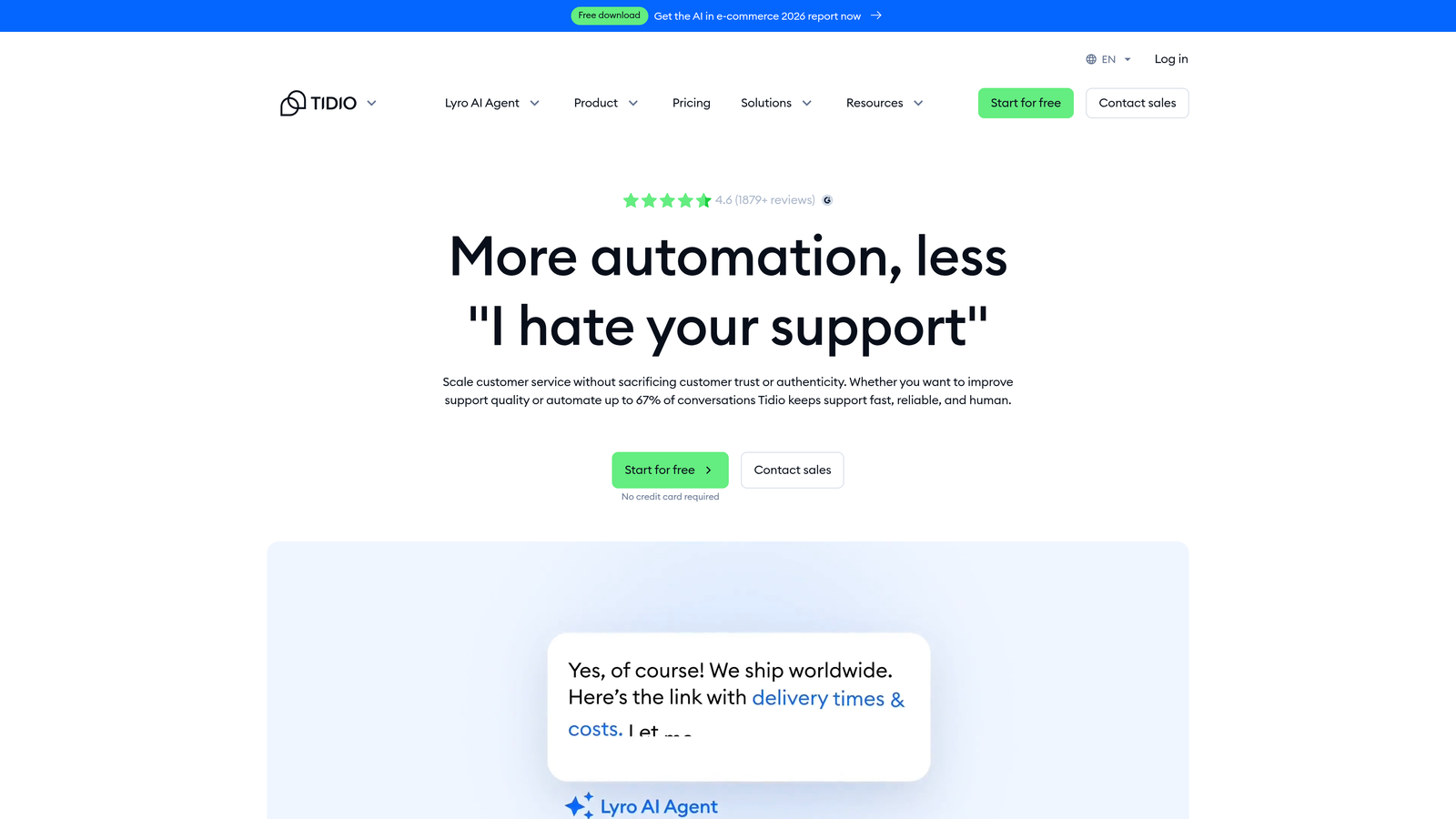
Tidio is a live chat and chatbot platform built specifically for e-commerce, with a visual bot builder and affordable pricing that scales with your store.
Where This Tool Shines
The visual chatbot builder makes automation accessible to non-technical teams. You can create sophisticated conversation flows by dragging and dropping elements—no coding required. Pre-built templates for common e-commerce scenarios like abandoned cart recovery or order tracking get you started immediately.
Lyro AI handles natural language conversations, answering product questions and guiding customers through your catalog. For e-commerce stores, this means handling "Do you have this in blue?" or "When will my order arrive?" automatically, freeing your team for complex issues.
Key Features
Visual Bot Builder: Drag-and-drop interface for creating chatbot workflows without coding knowledge.
E-Commerce Templates: Pre-built bots for abandoned carts, order tracking, product recommendations, and FAQ handling.
Lyro AI Conversations: Natural language AI that understands customer intent and provides relevant answers from your product catalog.
Platform Integrations: Native connections to Shopify, WooCommerce, and major e-commerce platforms with order data syncing.
Visitor Tracking: See what pages visitors are viewing in real-time to provide proactive assistance at the right moment.
Best For
E-commerce stores of all sizes, particularly those running on Shopify or WooCommerce. Most valuable for stores handling repetitive questions about products, shipping, and orders that can be automated while maintaining a friendly customer experience.
Pricing
Free tier available with basic chat and one chatbot. Paid plans start at $29 monthly with increased conversation limits and additional bot capabilities.
6. Crisp
Best for: Startups wanting all-in-one messaging without per-seat pricing
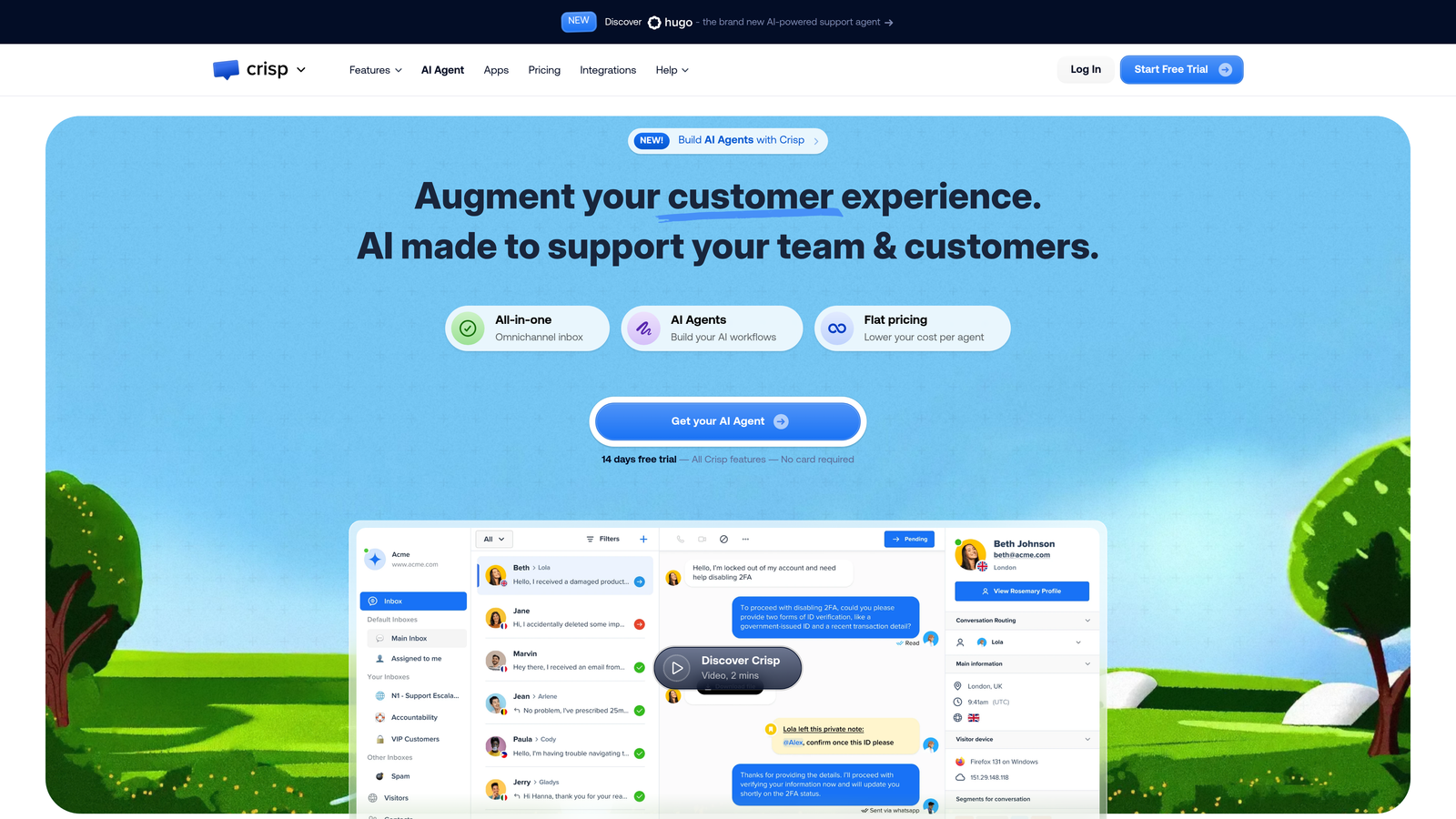
Crisp is an all-in-one business messaging platform combining live chat, chatbot, and shared inbox at startup-friendly prices with workspace-based billing.
Where This Tool Shines
The workspace pricing model is a game-changer for small teams. Instead of paying per agent, you pay per workspace, meaning your entire team can access conversations without additional costs. This makes Crisp significantly more affordable as you add team members.
The platform includes surprisingly advanced features at its price point. Built-in CRM functionality means you're not paying for a separate tool to track customer data, and video/audio calling is native rather than requiring third-party integrations.
Key Features
Shared Inbox: Entire team collaborates on conversations with assignment, notes, and internal comments.
Visual Chatbot Builder: Create automated conversation flows with conditional logic and custom variables.
Knowledge Base: Build help documentation directly in Crisp, searchable from the chat widget.
Video and Audio Calls: Native calling capabilities for when chat isn't enough, no separate tool needed.
Integrated CRM: Customer profiles, custom properties, and conversation history built into the platform.
Best For
Early-stage startups and small businesses that need comprehensive messaging capabilities but can't afford traditional per-seat pricing. Particularly valuable if you're looking to consolidate multiple tools into one platform.
Pricing
Free tier for 2 seats and basic features. Pro plan at $25 monthly per workspace (unlimited team members), with additional tiers for advanced automation and AI features.
7. Gorgias
Best for: E-commerce businesses needing deep Shopify integration and order management
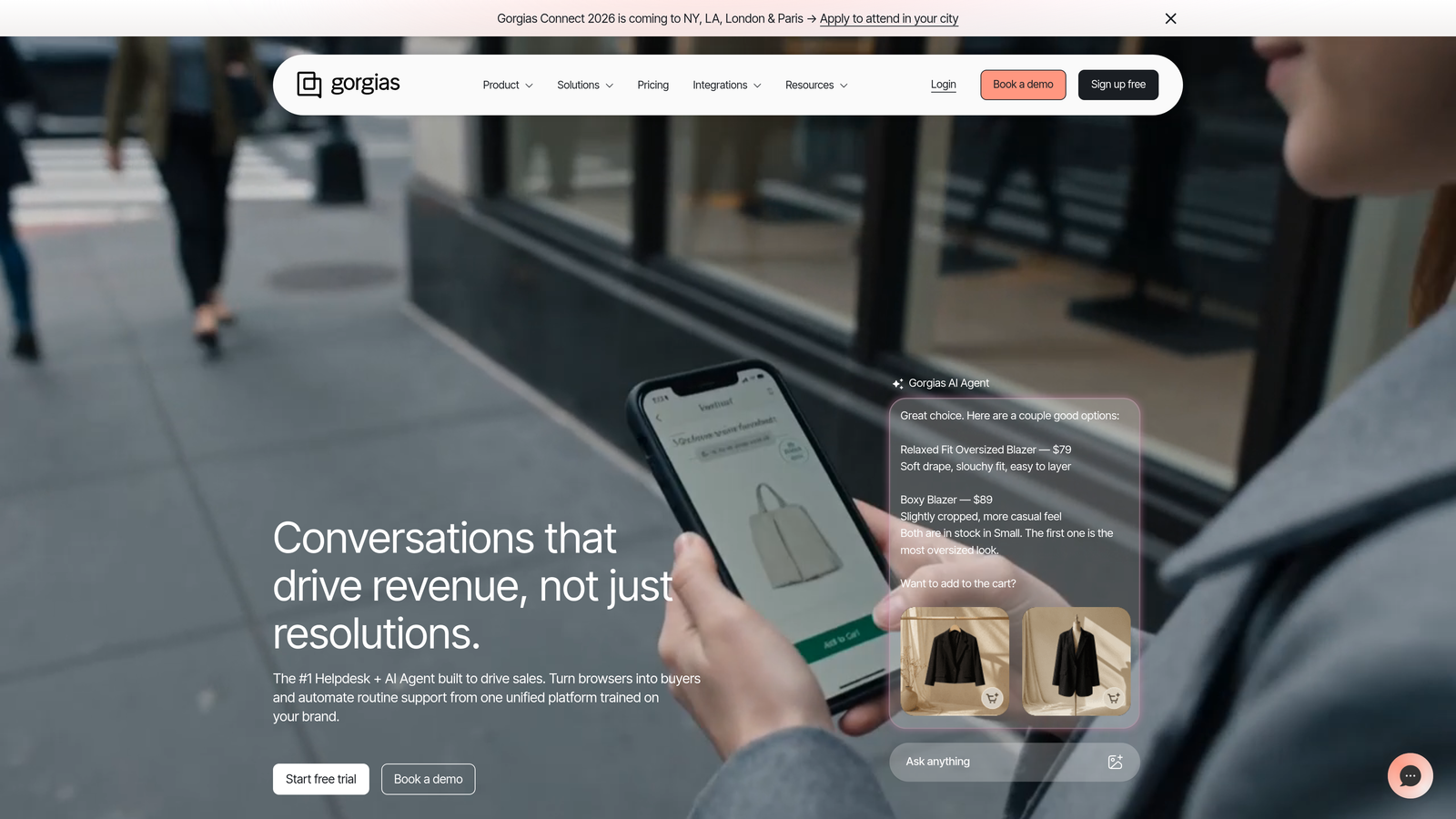
Gorgias is an e-commerce-focused helpdesk with deep Shopify integration and automated order management responses that connect directly to your store backend.
Where This Tool Shines
Gorgias understands e-commerce support is fundamentally different from SaaS or service-based support. Most tickets involve order status, returns, or product questions—issues that require access to order data. The platform pulls complete order information into the support interface, letting agents refund, cancel, or modify orders without switching systems.
The revenue attribution feature is particularly valuable for e-commerce teams. It tracks which support interactions led to purchases, helping you demonstrate that support isn't just a cost center—it's a revenue driver when done well.
Key Features
One-Click Order Actions: Process refunds, cancellations, exchanges, and tracking updates directly from the support interface.
Dynamic Macros: Pre-written responses that automatically populate with customer-specific order details and tracking information.
Revenue Statistics: Track sales generated through support conversations to demonstrate support's impact on bottom line.
Intent Detection: AI identifies whether customers are asking about orders, products, or returns and routes accordingly.
Platform Integrations: Native connections to Shopify, BigCommerce, Magento with full order data synchronization.
Best For
E-commerce businesses of any size that handle significant order-related support volume. Most valuable for stores doing over $100K annually where support efficiency directly impacts profitability and customer lifetime value.
Pricing
Starts at $10 monthly for 50 tickets, then scales based on ticket volume. Pro plan at $300 monthly for 2,000 tickets, with custom pricing for higher volumes.
8. HubSpot Service Hub
Best for: Companies using HubSpot CRM wanting unified customer data
HubSpot Service Hub is customer service software integrated with HubSpot's CRM platform, offering a free tier with basic automation and unified customer context.
Where This Tool Shines
The power of Service Hub comes from its connection to HubSpot's broader platform. Support conversations appear in the same timeline as sales emails, marketing interactions, and website visits. This unified view means agents understand the complete customer journey before responding.
The conversational bots can qualify leads while providing support, routing sales inquiries to your team while handling simple support questions automatically. This dual functionality is particularly valuable for smaller teams wearing multiple hats.
Key Features
Ticketing with Automation: Create tickets from any channel with workflow automation for routing, escalation, and follow-up.
Conversational Bots: Automate initial responses, qualify leads, and route conversations based on intent and customer properties.
Knowledge Base Builder: Create help articles with SEO optimization and analytics showing search effectiveness.
Customer Feedback Surveys: Automated NPS and CSAT surveys that integrate with customer records for trend analysis.
Unified CRM View: Complete customer timeline showing sales, marketing, and support interactions in one interface.
Best For
Companies already using HubSpot for sales or marketing who want to add support capabilities. Also works well for small businesses that need combined CRM and support software without managing multiple platforms.
Pricing
Free tier available with basic ticketing and automation. Starter plan at $45 monthly for 2 users, with Professional and Enterprise tiers adding advanced automation and reporting.
9. Groove
Best for: Small teams wanting simplicity without sacrificing essential automation
Groove is a simple shared inbox designed for small teams who want effective support without complexity or overwhelming feature sets.
Where This Tool Shines
Groove deliberately avoids feature bloat. The interface is clean and focused on what small teams actually need: shared inbox management, basic automation, and knowledge base. This simplicity means faster onboarding and less time managing the tool itself.
The rules-based automation handles the essentials—routing tickets by keyword or sender, auto-tagging for organization, and canned responses for common questions. It won't replace a dedicated AI platform, but it automates the repetitive tasks that consume small team bandwidth.
Key Features
Shared Inbox: Team collaboration on emails with assignment, collision detection, and internal notes.
Rules-Based Automation: Automatically route, tag, and respond to tickets based on content, sender, or custom triggers.
Knowledge Base: Build help documentation with customizable design that matches your brand.
Performance Reporting: Track response times, resolution rates, and individual agent performance with clear dashboards.
Tool Integrations: Connect to Slack for notifications, Zapier for custom workflows, and other essential business tools.
Best For
Teams of 2-10 people who value simplicity and speed over advanced features. Particularly good for bootstrapped startups that need professional support capabilities without the learning curve of enterprise platforms.
Pricing
Starts at $12 per user monthly with all core features included. No separate tiers—just straightforward pricing that scales with team size.
Making the Right Choice
Your ideal support automation software depends on three key factors: your current ticket volume, your growth trajectory, and your existing tech stack.
If you're handling under 500 tickets monthly and just getting started, Freshdesk's free tier or Groove's simplicity give you professional capabilities without upfront costs. For e-commerce specifically, Tidio or Gorgias provide the product and order integrations that generic helpdesks lack.
Teams already invested in specific ecosystems should leverage those connections. Zoho Desk makes sense if you're using Zoho CRM. HubSpot Service Hub is the obvious choice for existing HubSpot customers. The data integration alone justifies staying within your current platform.
But here's what many teams discover after trying multiple solutions: rule-based automation and AI-powered automation are fundamentally different. Tools with simple if-then rules can route tickets and suggest canned responses. Platforms with genuine AI learn from every interaction, understand context, and actually resolve issues autonomously rather than just organizing them.
The difference shows up in your team's daily reality. With basic automation, your agents still handle every ticket—they just spend less time routing and tagging. With AI agents, routine tickets get resolved without human intervention, freeing your team to focus on complex issues that genuinely need expertise and empathy.
Your support team shouldn't scale linearly with your customer base. Let AI agents handle routine tickets, guide users through your product, and surface business intelligence while your team focuses on complex issues that need a human touch. See Halo in action and discover how continuous learning transforms every interaction into smarter, faster support.