9 Best Automated Ticket Systems for B2B Support Teams in 2026
Finding the best automated ticket system for a growing B2B support team means looking beyond basic helpdesk organization to tools that can autonomously resolve tickets, scale without added headcount, and escalate intelligently when AI hits its limits. This guide evaluates 9 platforms across the full automation spectrum — from AI-native to rule-based to hybrid — so teams at any stage can find the right fit.
 Matt PattoliFounder13 min read
Support teams at growing B2B companies often hit the same wall: ticket volume climbs faster than headcount can keep up, and a significant portion of those tickets are asking the same questions over and over. A basic helpdesk can organize the chaos, but it won't solve it. What separates a truly automated ticket system from a glorified inbox is the degree to which the system can handle work on its own, without a human touching every interaction.
This list covers tools across the full automation spectrum: AI-native platforms built to resolve tickets autonomously, traditional helpdesks with mature rule-based automation layers, and hybrid solutions that blend both approaches. Whether your team is just starting to explore automation or ready to go fully AI-driven, there's a fit here for your stage of maturity.
Each tool was evaluated on degree of automation, integration depth with your broader business stack, scalability without proportional headcount growth, ease of setup, and the quality of human escalation paths when AI reaches its limits.
1. Halo AI
Best for: B2B SaaS teams that want autonomous ticket resolution with continuous learning built in.
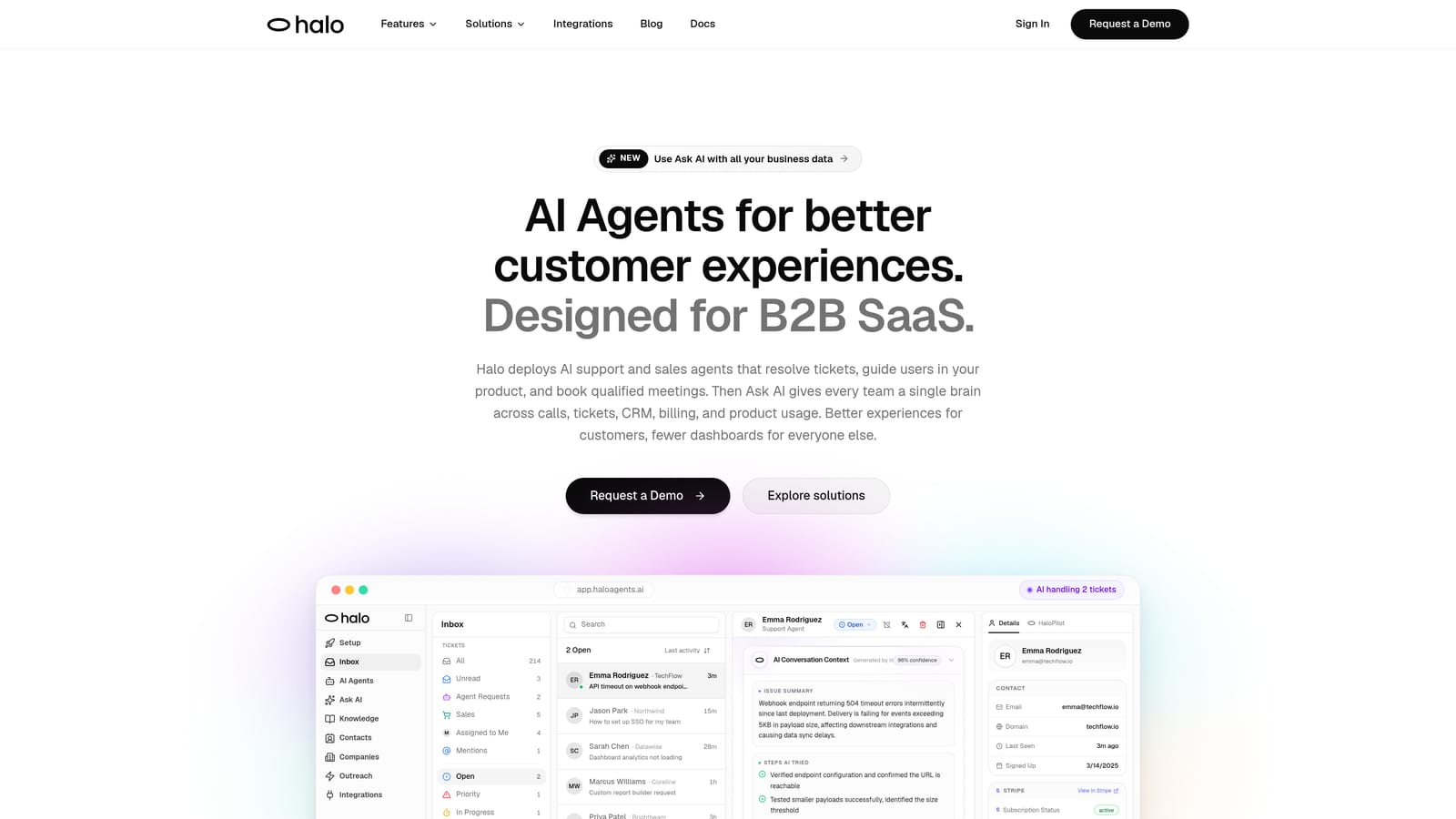
Halo AI is an AI-native customer support platform that resolves tickets end-to-end, guides users through your product with page-aware context, and surfaces business intelligence from every interaction.
Where This Tool Shines
Most tools on this list started as helpdesks and added AI later. Halo was built AI-first, which means automation isn't a layer on top of a traditional ticketing system. It's the foundation. The AI agents don't just suggest responses for humans to approve; they resolve tickets autonomously, learning from every interaction to get sharper over time.
The page-aware chat widget is a standout capability. It sees what the user sees in your product and delivers guidance that's specific to their current context, not generic help center links. And beyond support, Halo's smart inbox surfaces customer health signals, anomaly detection, and revenue intelligence, turning your support data into something your whole business can act on.
Key Features
Autonomous AI Agents: Resolve tickets end-to-end without human intervention, handling routine queries at scale.
Page-Aware Chat Widget: Understands the user's current location in your product for precise, contextual guidance rather than generic answers.
Smart Inbox with Business Intelligence: Surfaces customer health signals, anomaly detection, and revenue insights alongside support tickets.
Auto Bug Ticket Creation: Routes product issues directly to engineering tools like Linear, closing the loop between support and development.
Live Agent Handoff: Escalates complex or sensitive issues to human agents with full conversation context intact.
Deep Integrations: Connects with Linear, Slack, HubSpot, Intercom, Stripe, Zoom, PandaDoc, and Fathom.
Best For
B2B SaaS companies and product teams that want to resolve the majority of support tickets without adding headcount, while also gaining business intelligence from customer interactions. Particularly valuable for teams already using tools like HubSpot, Intercom, or Linear who want a support layer that connects to their entire stack.
Pricing
Pricing is available via demo. Contact Halo AI directly at haloagents.ai for a custom quote tailored to your team's needs.
2. Zendesk
Best for: Enterprise support teams that need highly configurable, rule-based automation at scale.
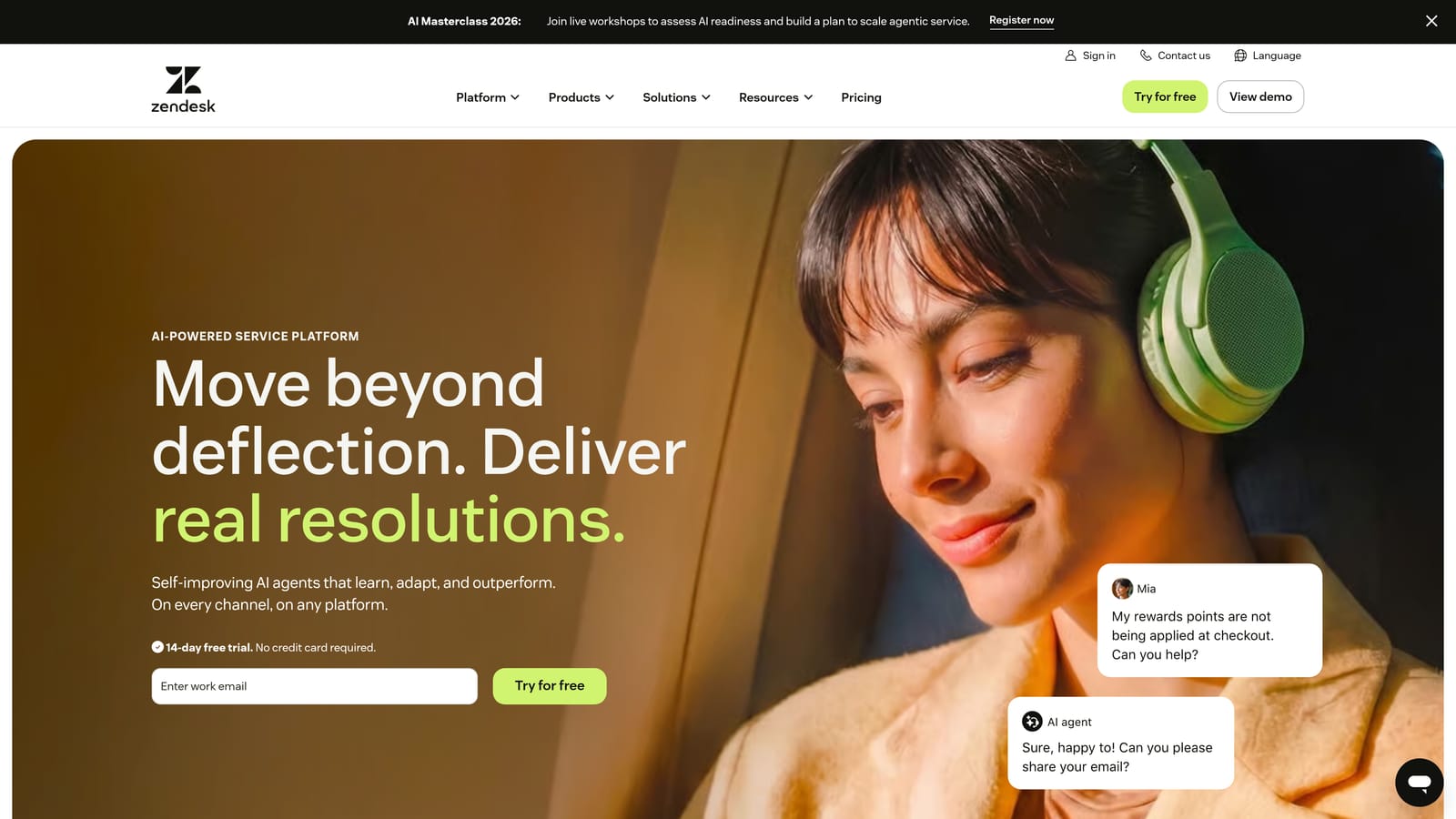
Zendesk is the industry-standard enterprise helpdesk, offering a mature automation system built on triggers, macros, and automation rules, now enhanced with Zendesk AI for intelligent triage.
Where This Tool Shines
Zendesk's automation engine is one of the most battle-tested in the industry. For teams with complex routing logic, multi-tier SLAs, and high ticket volumes across many channels, the trigger and automation rule system gives you precise control over how tickets move through your organization.
Zendesk AI adds a layer of intelligence on top of this foundation, offering intent detection, suggested responses, and intelligent triage that routes tickets before a human has to read them. The tradeoff is administrative complexity: Zendesk can become difficult to maintain at scale without dedicated ops resources.
Key Features
Trigger and Automation Rules: Highly configurable routing logic that handles complex conditional workflows across ticket types and channels.
Zendesk AI: Intent detection, suggested responses, and intelligent triage powered by an OpenAI partnership.
App Marketplace: Hundreds of integrations available to extend functionality across your business stack.
SLA Management: Built-in SLA tracking and reporting dashboards for compliance and performance monitoring.
Omnichannel Support: Unified inbox covering email, chat, voice, and social channels.
Best For
Enterprise support teams with dedicated operations resources who need deep configurability, compliance-grade SLA tracking, and a proven platform with a large integration ecosystem.
Pricing
Suite plans start from approximately $55/agent/month. Verify current pricing at zendesk.com/pricing.
3. Freshdesk
Best for: SMB and mid-market teams that want affordable omnichannel ticketing with AI automation layered on top.
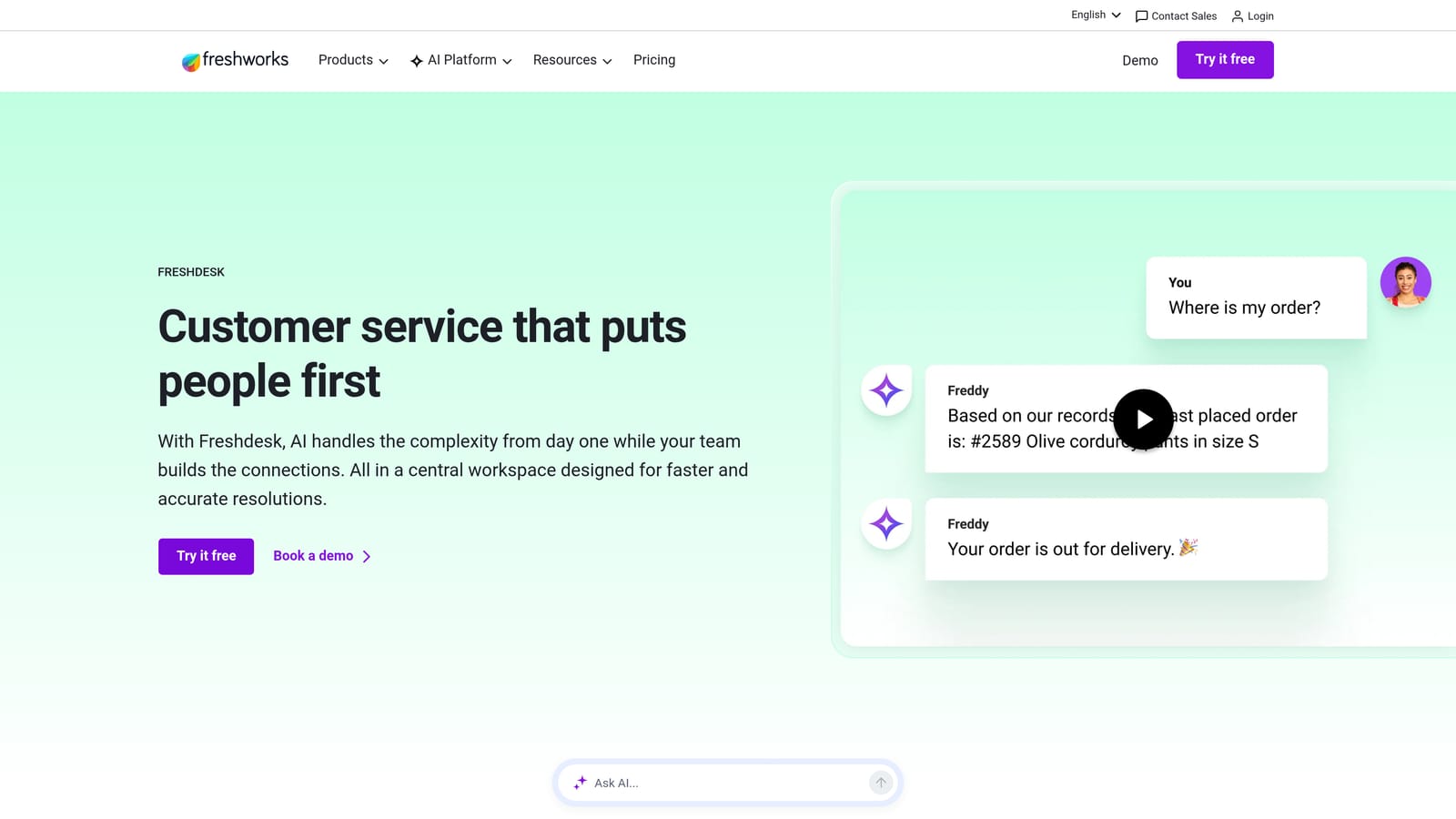
Freshdesk is a popular helpdesk platform offering Freddy AI automation on top of traditional ticketing, with competitive pricing that makes it accessible for growing teams.
Where This Tool Shines
Freshdesk hits a practical sweet spot: enough automation to meaningfully reduce manual work, without the administrative overhead and cost of enterprise platforms. Freddy AI handles automated responses, ticket summarization, and agent assist features that speed up resolution without requiring significant configuration investment.
The scenario automation feature is particularly useful for teams that need multi-step workflow triggers, allowing you to chain conditions and actions without writing custom code. The free tier also makes it a low-risk entry point for smaller teams evaluating their first structured ticketing system.
Key Features
Freddy AI: Automated responses, ticket summarization, and agent assist to accelerate resolution across the team.
Scenario Automations: Multi-step workflow triggers that chain conditions and actions for more complex routing logic.
Omnichannel Inbox: Email, chat, phone, and social media tickets managed in a single unified view.
Collision Detection: Prevents multiple agents from working on the same ticket simultaneously.
Free Tier: Available for small teams getting started with structured ticketing.
Best For
SMB and mid-market support teams looking for a cost-effective alternative to enterprise helpdesks, particularly those who want AI-assisted automation without significant implementation complexity.
Pricing
Free tier available; paid plans start from approximately $15/agent/month. Verify current pricing at freshdesk.com/pricing.
4. Intercom
Best for: SaaS product teams that want conversational, in-product support with AI handling front-line queries.
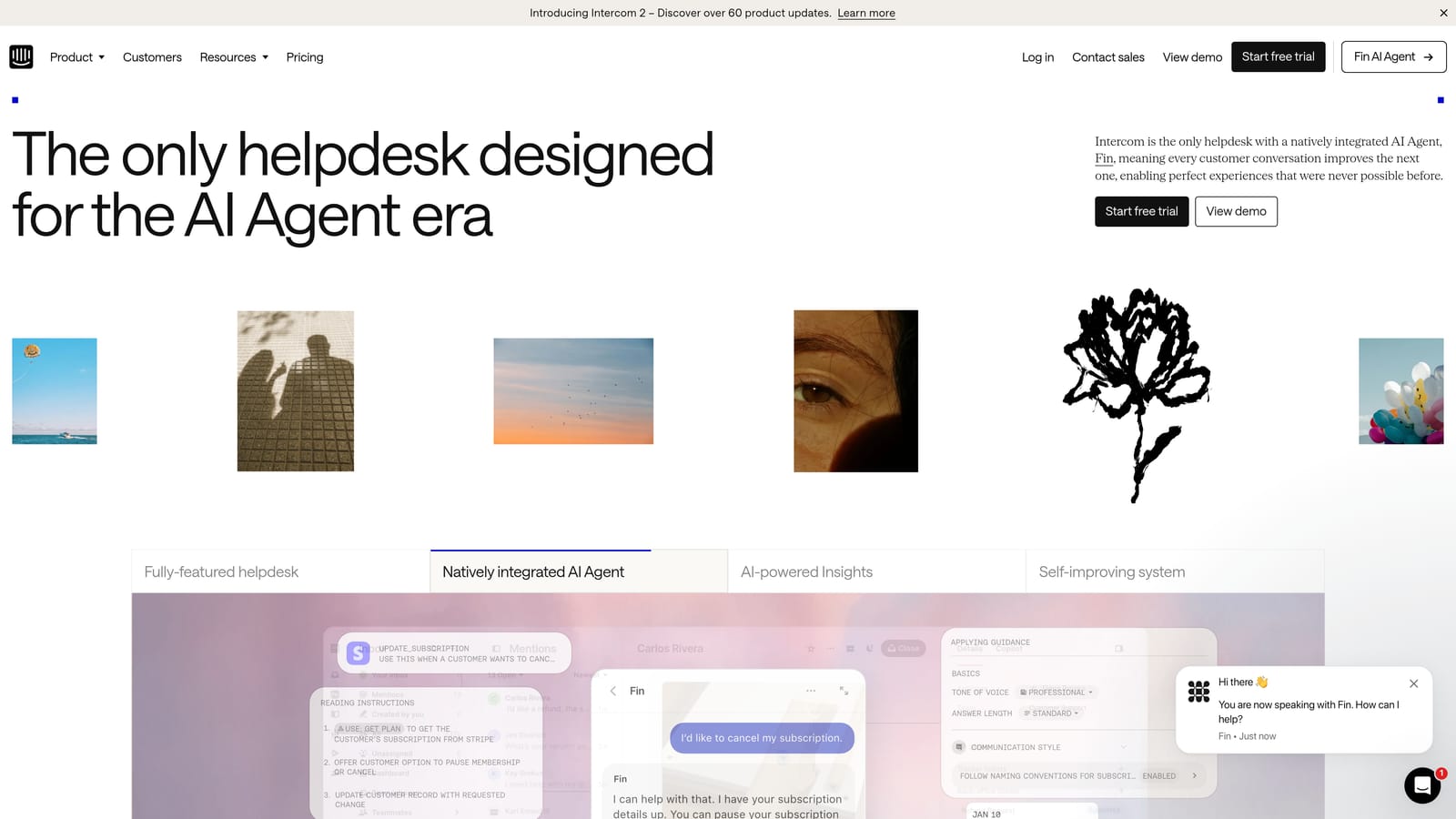
Intercom is a conversational support platform built around in-product messaging, with Fin AI agent resolving common queries before they ever become tickets.
Where This Tool Shines
Intercom's approach to support is fundamentally different from traditional helpdesks. Rather than starting with a ticket, it starts with a conversation, often inside your product itself. Fin AI agent handles front-line queries autonomously, only escalating to a human or creating a ticket when the conversation requires it. This keeps ticket volume lower by resolving issues before they're formally logged.
The tight integration between in-app messaging, product tours, and support context makes Intercom particularly strong for SaaS teams that want support to feel like a natural extension of the product experience. It's worth noting that Halo AI integrates directly with Intercom, which means teams already using Intercom can layer Halo's capabilities on top.
Key Features
Fin AI Agent: Resolves common queries autonomously before escalating or creating tickets, reducing overall ticket volume.
In-App Messaging and Product Tours: Support tightly integrated with the product experience for SaaS teams.
Shared Inbox: AI-assisted routing and tagging for conversations that require human attention.
Customer Data Platform: Connects support context to product usage data for richer agent context.
Workflows Builder: Multi-step automation across channels without requiring engineering resources.
Best For
SaaS product teams that prioritize in-product support experiences and want AI to handle the majority of front-line queries conversationally, before tickets are created.
Pricing
Usage-based pricing that varies significantly by volume. Verify current plans at intercom.com/pricing.
5. HubSpot Service Hub
Best for: Revenue-aligned support teams that want ticketing natively connected to CRM data and sales pipelines.
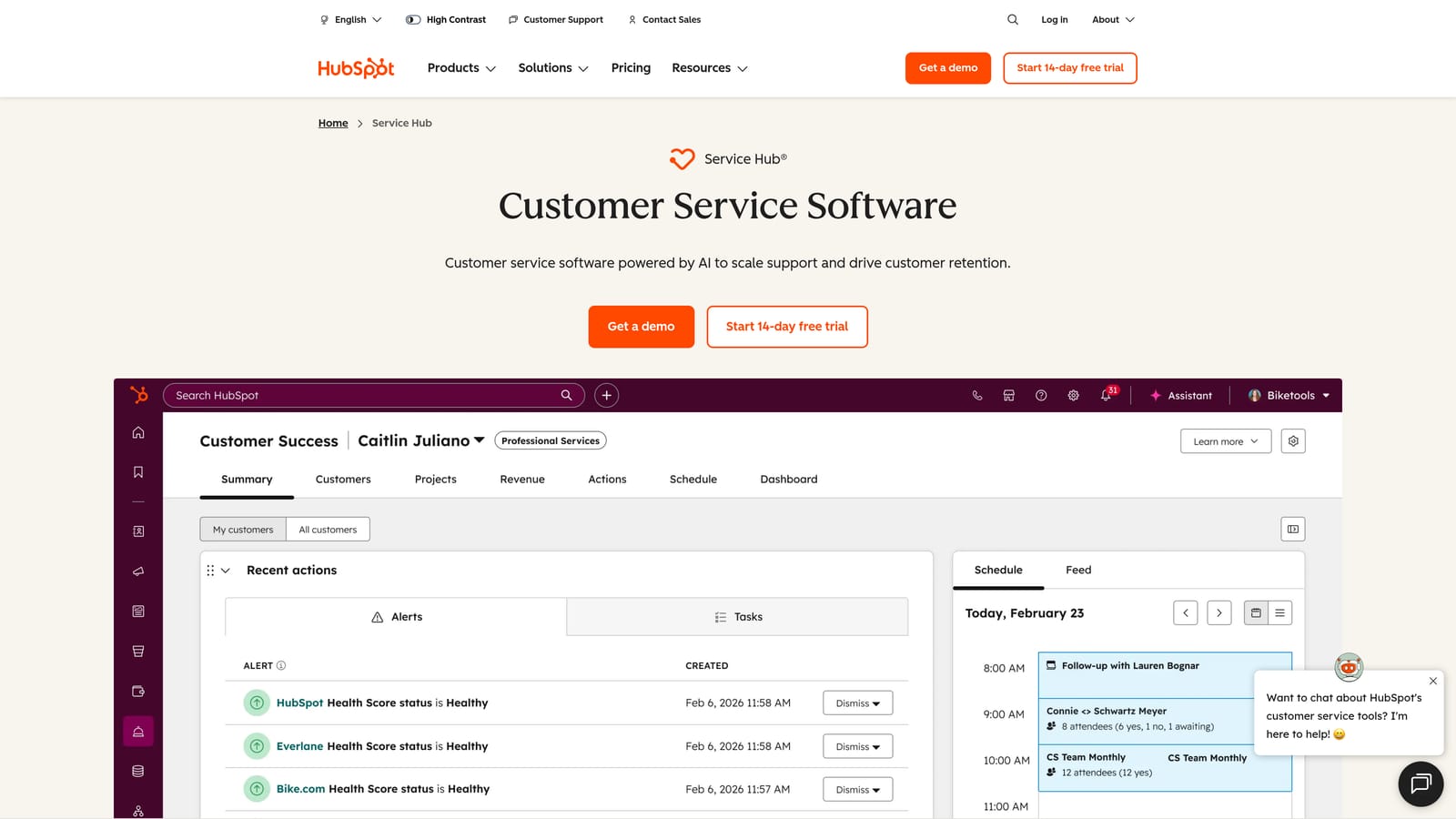
HubSpot Service Hub is a CRM-native ticketing and automation platform where every support interaction is linked to contact history, deal stage, and lifecycle data.
Where This Tool Shines
The core advantage of HubSpot Service Hub isn't the ticketing engine itself; it's the context. When a support ticket is connected to a contact's full CRM record, agents can see deal stage, open opportunities, and past interactions in the same view. This is particularly valuable for B2B teams where a support issue might directly affect a renewal or expansion.
Workflow automation in HubSpot connects support outcomes to sales and marketing pipelines, so a resolved ticket can trigger a follow-up sequence or update a contact's lifecycle stage automatically. Breeze AI is being rolled out across the platform, adding ticket categorization, summarization, and suggested responses.
Key Features
CRM-Native Tickets: Every ticket linked to HubSpot CRM contacts and deals for full customer context.
Workflow Automation: Connects support outcomes to sales and marketing pipelines for revenue-aligned operations.
Breeze AI: Ticket categorization, summarization, and suggested responses integrated across the platform.
Customer Portal: Self-service ticket tracking that reduces inbound volume from existing customers.
CSAT and NPS: Built-in customer feedback tools tied directly to ticket and contact records.
Best For
B2B teams already using HubSpot CRM who want support, sales, and marketing data unified in one platform. Particularly strong for customer success and support teams with renewal and expansion responsibilities.
Pricing
Starter from approximately $15/month; Professional and Enterprise plans are significantly higher. Verify current pricing at hubspot.com/pricing.
6. Help Scout
Best for: Teams that want workflow automation without sacrificing a human, personal support experience.
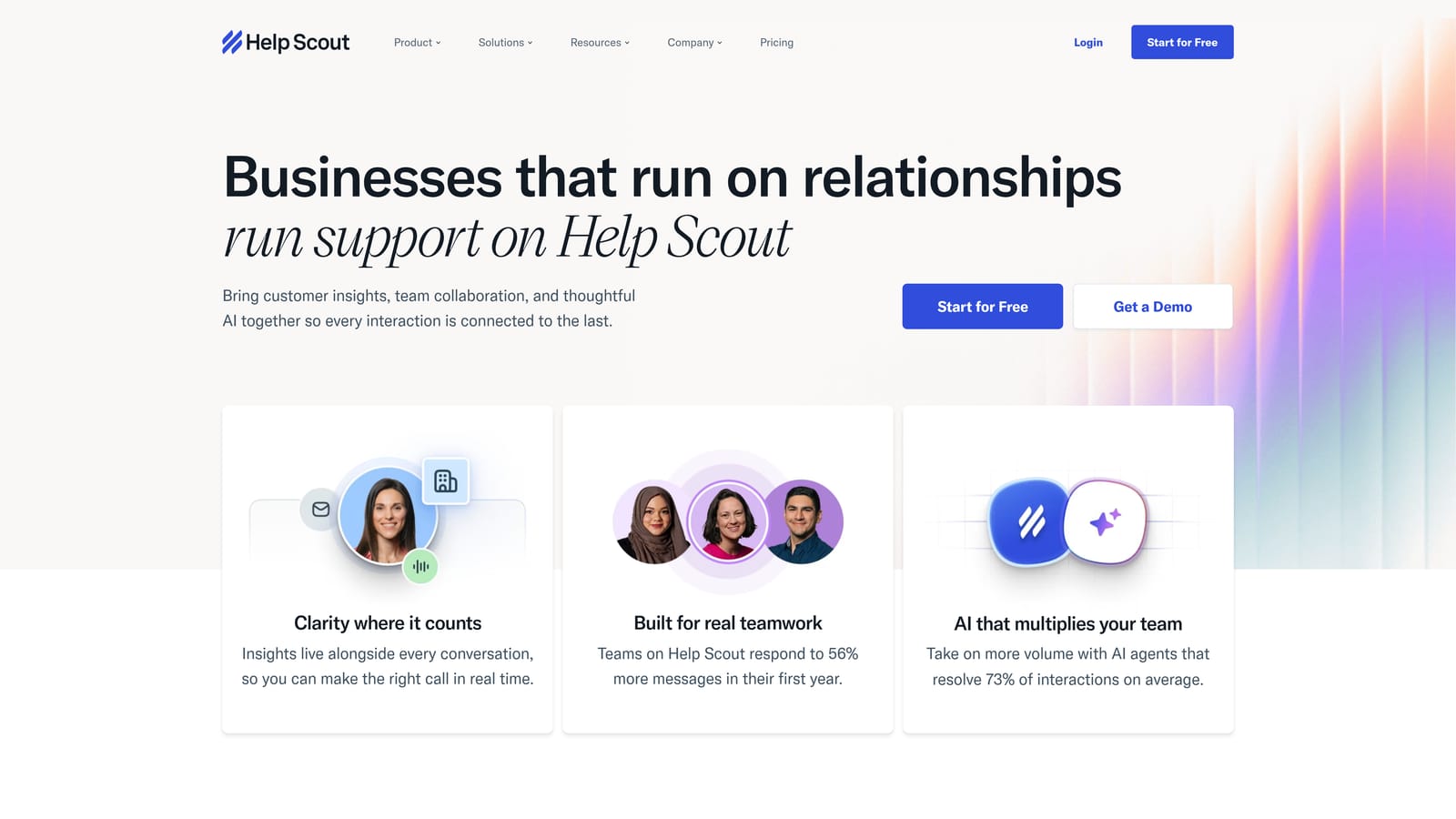
Help Scout is a shared inbox and ticketing platform designed to keep support interactions feeling personal, with workflow automation handling the operational work behind the scenes.
Where This Tool Shines
Help Scout's philosophy is that automation should make support faster and more organized, not robotic. Its workflow system handles routing, tagging, and assignment automatically, while the interface is deliberately minimal to reduce agent cognitive load. The result is a tool that feels clean and human even when automation is doing significant work in the background.
The integrated Docs knowledge base connects directly to ticket deflection, surfacing relevant articles before customers submit a request. Recent additions of AI Summarize and AI Assist give agents faster response capabilities without requiring a complete platform overhaul.
Key Features
Workflow Automation: Conditions and actions for routing, tagging, and assignment that run automatically without manual intervention.
Docs Knowledge Base: Integrated self-service that deflects tickets before they're created.
AI Summarize and AI Assist: Helps agents understand long conversations quickly and draft responses faster.
Collision Detection: Prevents duplicate work when multiple agents are viewing the same conversation.
Minimal UX: Deliberately clean interface designed to reduce cognitive load for support teams.
Best For
Small to mid-size teams that prioritize a human-feeling support experience and want straightforward workflow automation without the complexity of enterprise helpdesk administration.
Pricing
Plans start from approximately $20/user/month. Verify current pricing at helpscout.com/pricing.
7. Zoho Desk
Best for: Teams that need structured, process-driven ticket resolution with AI-powered sentiment and anomaly detection.
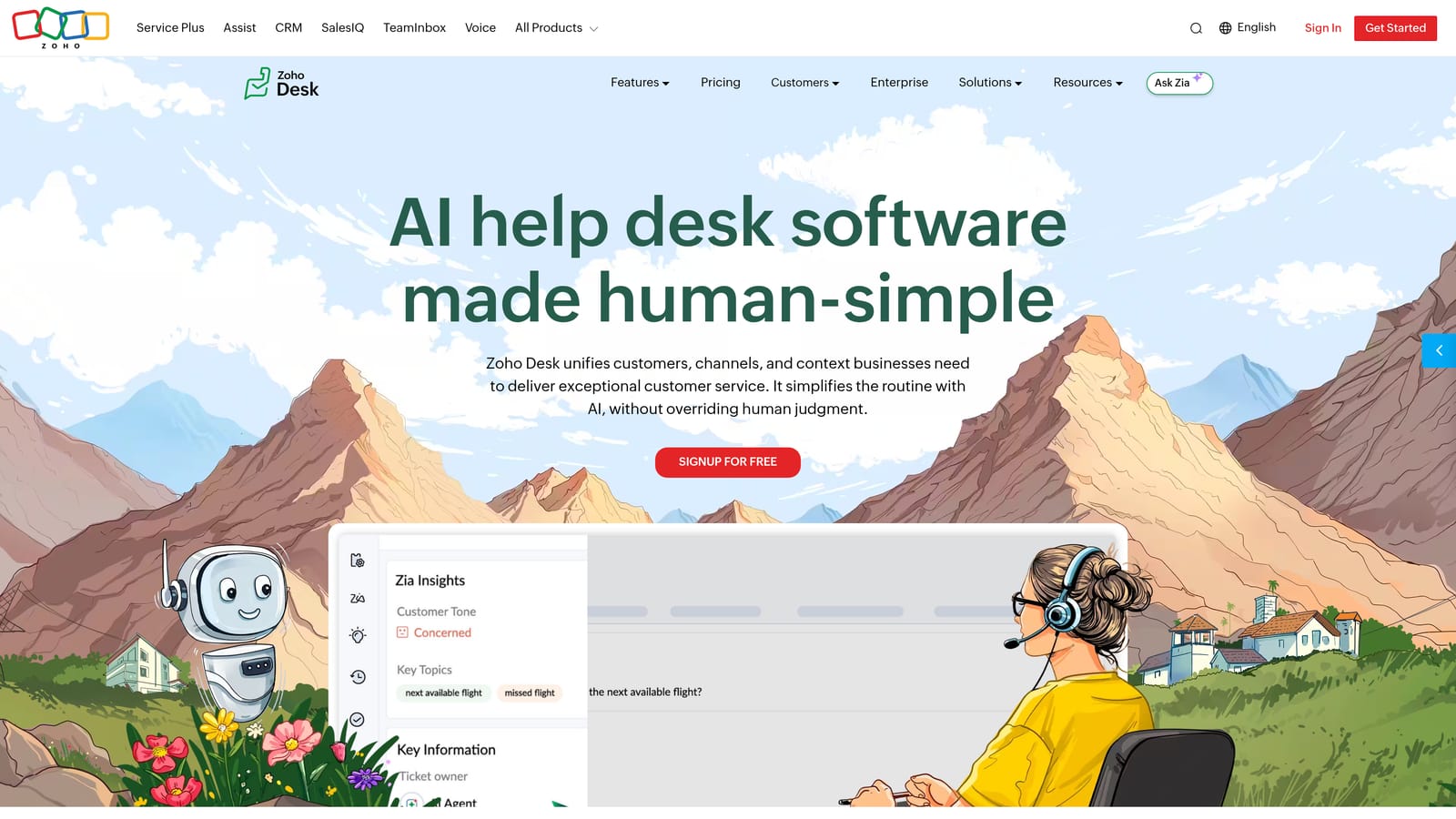
Zoho Desk is a context-aware, multi-channel ticketing platform featuring Zia AI and the Blueprint process automation tool for teams that want guided, step-by-step ticket workflows.
Where This Tool Shines
Zoho Desk's Blueprint feature is genuinely differentiated. Rather than just routing tickets automatically, Blueprint creates structured resolution processes where each step must be completed before the next begins. This is particularly useful for support teams handling complex, multi-step issues where consistency and compliance matter, such as regulated industries or enterprise onboarding workflows.
Zia AI adds intelligent context on top of this structure, offering sentiment analysis so agents can prioritize distressed customers, tag suggestions to reduce manual classification, and anomaly alerts when ticket patterns shift unexpectedly. For teams already using Zoho CRM, the integration is seamless.
Key Features
Zia AI: Sentiment analysis, tag suggestions, and anomaly alerts that surface priority issues automatically.
Blueprint: Guided, process-driven ticket resolution that enforces step-by-step workflows for consistency.
Multi-Channel Coverage: Email, chat, phone, social media, and community forums in one platform.
Zoho Ecosystem Integration: Deep connection with Zoho CRM, analytics, and the broader Zoho suite.
Skill-Based Assignment: Routes tickets to the right agent based on expertise, not just availability.
Best For
Teams that need structured, compliant ticket resolution processes, particularly those already invested in the Zoho ecosystem or operating in industries where process consistency is critical.
Pricing
Free tier available; paid plans start from approximately $14/agent/month. Verify current pricing at zoho.com/desk/pricing.
8. Jira Service Management
Best for: IT, DevOps, and internal support teams managing incidents, change requests, and service operations alongside software development.
Jira Service Management is an ITSM-focused service desk built for teams that live in the Atlassian ecosystem and need tight integration between support operations and engineering workflows.
Where This Tool Shines
For internal IT and DevOps teams, Jira Service Management is in a category of its own. The automation rules connect directly to Jira Software, so an incident ticket can automatically trigger a linked engineering task, assign it to the right squad, and track resolution across both systems simultaneously. This bi-directional connection between support and development is something customer-facing helpdesks rarely replicate.
Change management, approval workflows, and the built-in CMDB (configuration management database) make it a serious choice for IT operations teams. The AI-powered virtual service agent and incident summarization features add automation capabilities to what was traditionally a more manual ITSM workflow.
Key Features
Dev-Linked Automation: Automation rules integrated with Jira Software for incident management connected to engineering workflows.
Change Management: Structured approval workflows for IT operations and change requests.
AI Virtual Service Agent: Handles common IT requests and summarizes incidents for faster resolution.
CMDB: Asset and configuration management database built directly into the platform.
Confluence Integration: Native knowledge base and self-service powered by Confluence articles.
Best For
IT, DevOps, and internal support teams that need ITSM-grade incident management, change workflows, and tight integration with engineering tools. Less suited for customer-facing B2B SaaS support.
Pricing
Free tier available; Standard plans from approximately $17.65/agent/month. Verify current pricing at atlassian.com/pricing.
9. Tidio
Best for: Small businesses and early-stage SaaS teams that need fast, lightweight AI chat and ticketing without complex setup.
Tidio is a lightweight AI chat and ticketing platform featuring the Lyro AI chatbot, designed for teams that need meaningful automation without a dedicated ops team to configure it.
Where This Tool Shines
Tidio's core advantage is speed of deployment. Where enterprise helpdesks can take weeks to configure properly, Tidio is designed to be live quickly with minimal setup. Lyro AI handles common queries conversationally and creates tickets automatically from unresolved chats, so nothing falls through the cracks even without a human monitoring every conversation.
The pre-built automation flows cover the most common support scenarios out of the box, which means early-stage teams aren't starting from scratch. E-commerce integrations with Shopify and WooCommerce also make it a practical choice for product-led businesses handling order-related support alongside general queries.
Key Features
Lyro AI Chatbot: Handles common queries autonomously and creates tickets from conversations it cannot resolve.
Fast Deployment: Minimal configuration required to go live, designed for teams without dedicated ops resources.
Unified Inbox: Live chat, email, and social media tickets managed in one place.
Pre-Built Automation Flows: Common support scenarios covered out of the box without custom configuration.
E-Commerce Integrations: Native connections with Shopify and WooCommerce for order-related automation.
Best For
Small businesses, e-commerce teams, and early-stage SaaS companies that need AI-powered chat and basic ticketing automation without the complexity or cost of enterprise platforms.
Pricing
Free tier available; paid plans start from approximately $29/month. Verify current pricing at tidio.com/pricing.
Which Tool Is Right for Your Team?
The right automated ticket system depends less on feature checklists and more on where your team sits on the automation maturity curve and what your support operation is actually trying to accomplish.
Here's a quick guide by use case:
AI-native autonomous resolution: Halo AI is built for this from the ground up, with continuous learning and business intelligence baked in, not bolted on.
Enterprise with complex routing rules: Zendesk's mature trigger and automation engine gives large teams the configurability they need, though it requires dedicated admin resources to maintain at scale.
CRM-first, revenue-aligned teams: HubSpot Service Hub wins when support context needs to connect directly to deals, renewals, and lifecycle stages in a CRM your team already uses.
In-product SaaS support: Intercom's conversational approach and Fin AI agent are purpose-built for SaaS teams that want support to feel like a natural extension of the product experience.
ITSM and internal DevOps: Jira Service Management is the clear choice for IT operations teams that need incident management, change workflows, and tight integration with engineering tools.
Across all of these, the best automated ticket system is ultimately the one that reduces manual work without making your customers feel like they're talking to a machine. Automation should make support faster and smarter, not colder.
Your support team shouldn't scale linearly with your customer base. Let AI agents handle routine tickets, guide users through your product, and surface business intelligence while your team focuses on complex issues that need a human touch. See Halo in action and discover how continuous learning transforms every interaction into smarter, faster support.