9 Best Customer Support AI Platforms Compared for 2026
This comprehensive customer support AI platform comparison evaluates nine leading solutions for 2026 based on autonomous resolution capabilities, integration depth, and total cost of ownership. The guide helps businesses distinguish between genuine AI automation and basic chatbots, covering options for startups through enterprise organizations seeking to eliminate customer wait times with intelligent, self-learning support systems.
 Matt PattoliFounder11 min read
Choosing the right AI customer support platform can mean the difference between frustrated customers waiting in queues and instant, intelligent responses that actually solve problems. But with dozens of vendors claiming to offer 'AI-powered support,' how do you separate genuine automation from glorified chatbots?
This comparison breaks down nine leading platforms based on real capabilities: autonomous resolution rates, integration depth, learning mechanisms, and total cost of ownership. Whether you're scaling a startup or modernizing enterprise support, you'll find the right fit for your specific needs below.
1. Halo AI
Best for: Companies seeking autonomous ticket resolution with continuous learning and deep business intelligence.
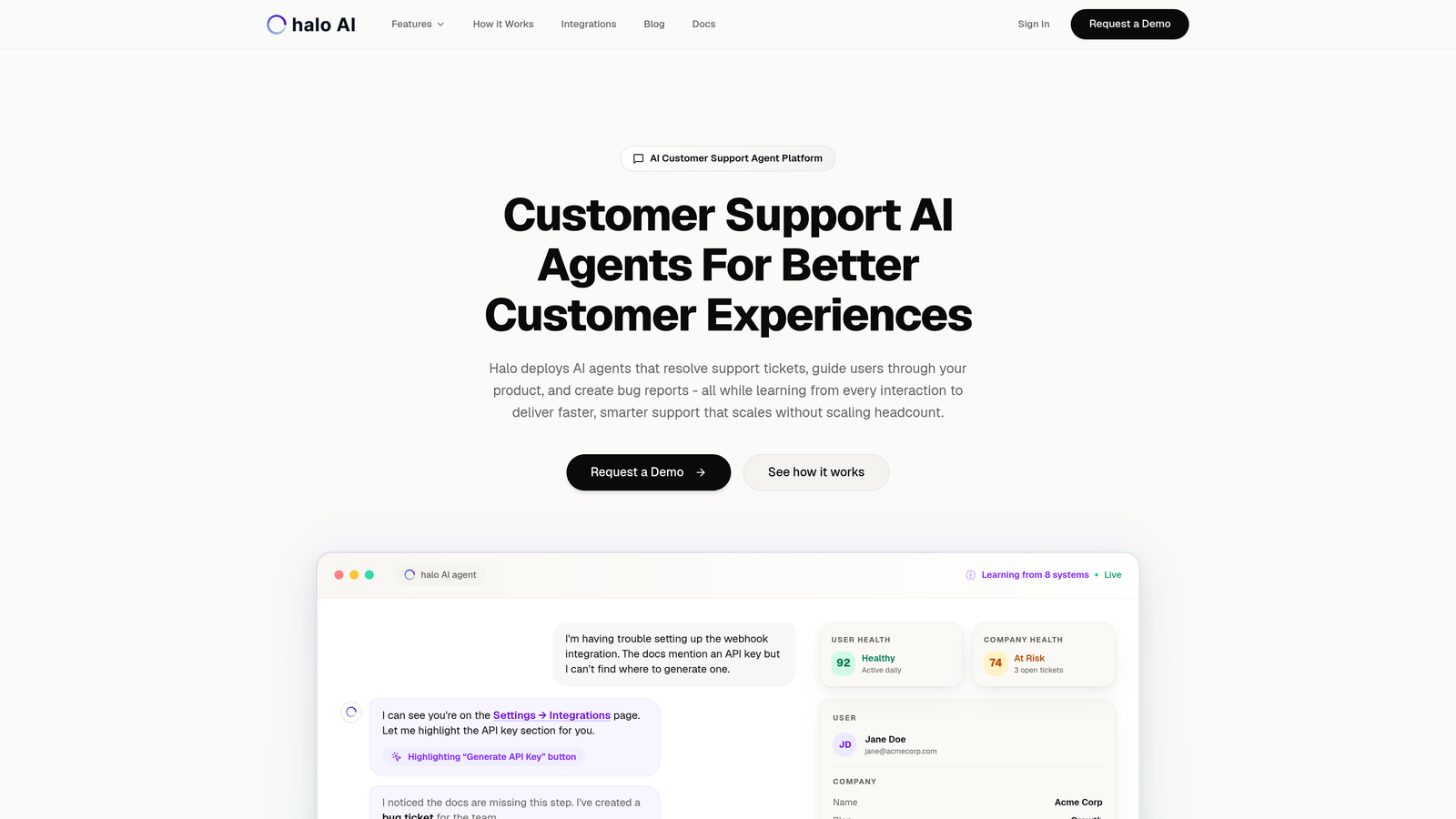
Halo AI is an AI-native customer support platform built from the ground up for autonomous operation.
Where This Tool Shines
Unlike platforms that bolt AI onto existing helpdesk infrastructure, Halo was architected specifically for autonomous ticket resolution. The platform doesn't just suggest responses—it resolves tickets independently while learning from every interaction to improve future performance.
The page-aware chat widget represents a significant advancement in user guidance. It sees what users see on your product interface, enabling visual UI guidance that traditional chatbots simply can't provide. This contextual awareness dramatically improves resolution accuracy.
Key Features
Autonomous AI Agents: Resolve support tickets without human intervention, handling routine inquiries end-to-end while escalating complex issues appropriately.
Page-Aware Chat Widget: Provides visual UI guidance by understanding exactly what users see on screen, enabling precise navigation help.
Smart Inbox with Business Intelligence: Surfaces customer health signals, revenue intelligence, and anomaly detection beyond basic support metrics.
Auto Bug Ticket Creation: Automatically generates detailed bug reports in Linear when issues are detected, streamlining product development workflows.
Continuous Learning Architecture: Improves from every interaction without manual retraining, adapting to your product and customer base organically.
Best For
B2B SaaS companies and product teams that need support automation to scale without scaling headcount. Particularly valuable for teams using modern tools like Linear, Slack, HubSpot, Intercom, and Stripe who want deep integration across their business stack.
Pricing
Contact for custom pricing that scales with ticket volume. The platform's autonomous resolution capabilities often deliver ROI by reducing the need for additional support hires.
2. Intercom Fin
Best for: Existing Intercom customers seeking GPT-4 powered AI within their current messaging platform.
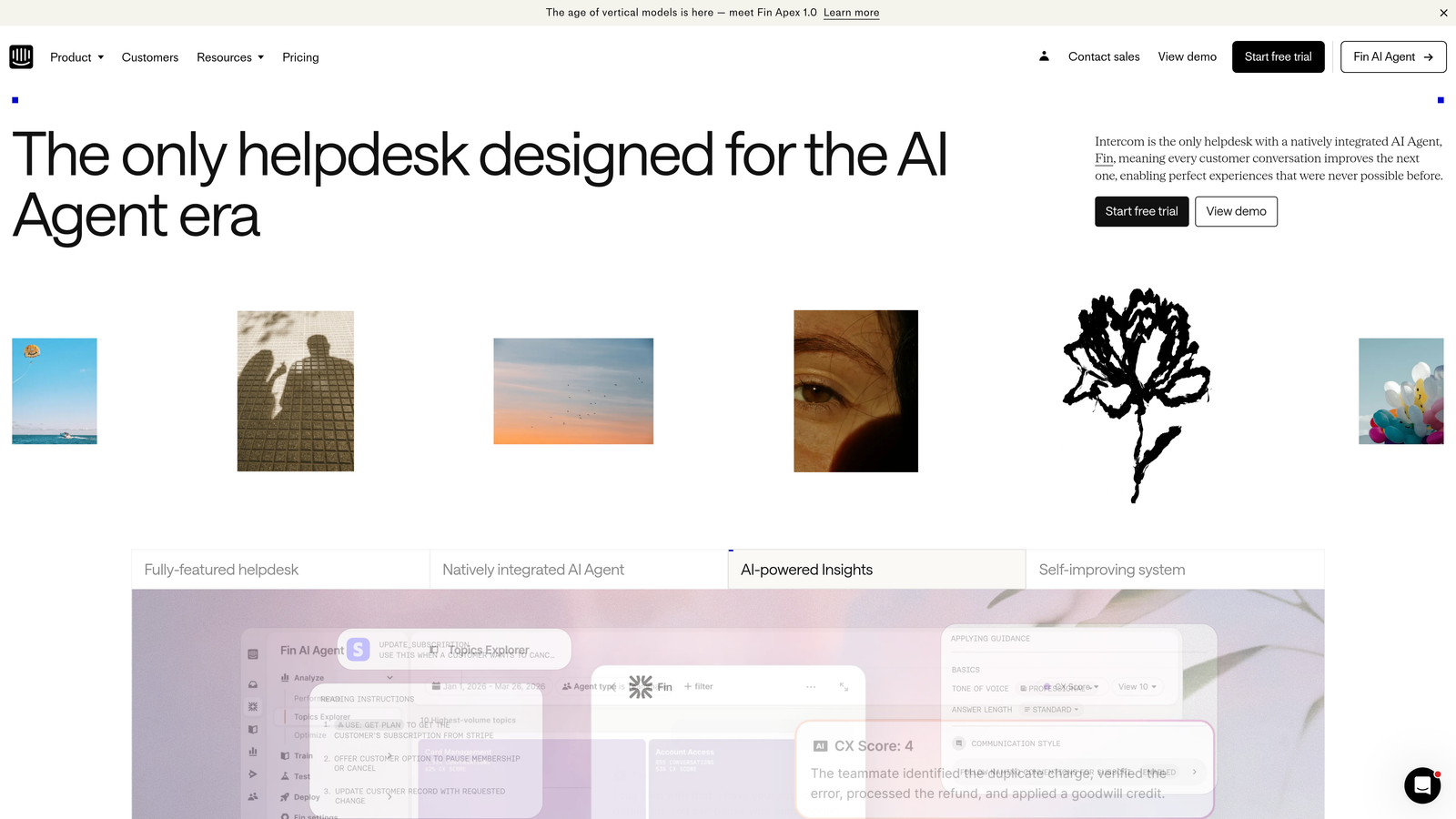
Intercom Fin is an AI chatbot built on GPT-4 and designed for native integration with Intercom's customer messaging ecosystem.
Where This Tool Shines
If you're already invested in Intercom's platform, Fin offers the smoothest implementation path. The AI learns directly from your existing help center content, meaning you don't need to rebuild knowledge bases or retrain on new systems.
The seamless human handoff deserves special mention. When Fin encounters questions beyond its capability, the transition to human agents happens within the same conversation thread, maintaining context and customer experience continuity.
Key Features
GPT-4 Powered Conversations: Leverages advanced language models for natural, contextually aware customer interactions across topics.
Help Center Learning: Automatically trains on your existing documentation, requiring minimal setup to start delivering accurate responses.
Customizable AI Personality: Adjust tone, formality, and brand voice to match your company's communication style.
Multi-Language Support: Handles customer conversations in multiple languages without separate configuration for each.
Native Intercom Integration: Works within your existing Intercom workspace with unified reporting and customer data.
Best For
Companies already using Intercom who want to add AI capabilities without platform migration. Works well for teams with comprehensive help centers that can serve as training material.
Pricing
Starts at $0.99 per resolution with a required Intercom subscription. The per-resolution model can be cost-effective for lower volumes but may become expensive at scale.
3. Zendesk AI
Best for: Enterprise organizations with established Zendesk deployments seeking AI enhancement of existing workflows.
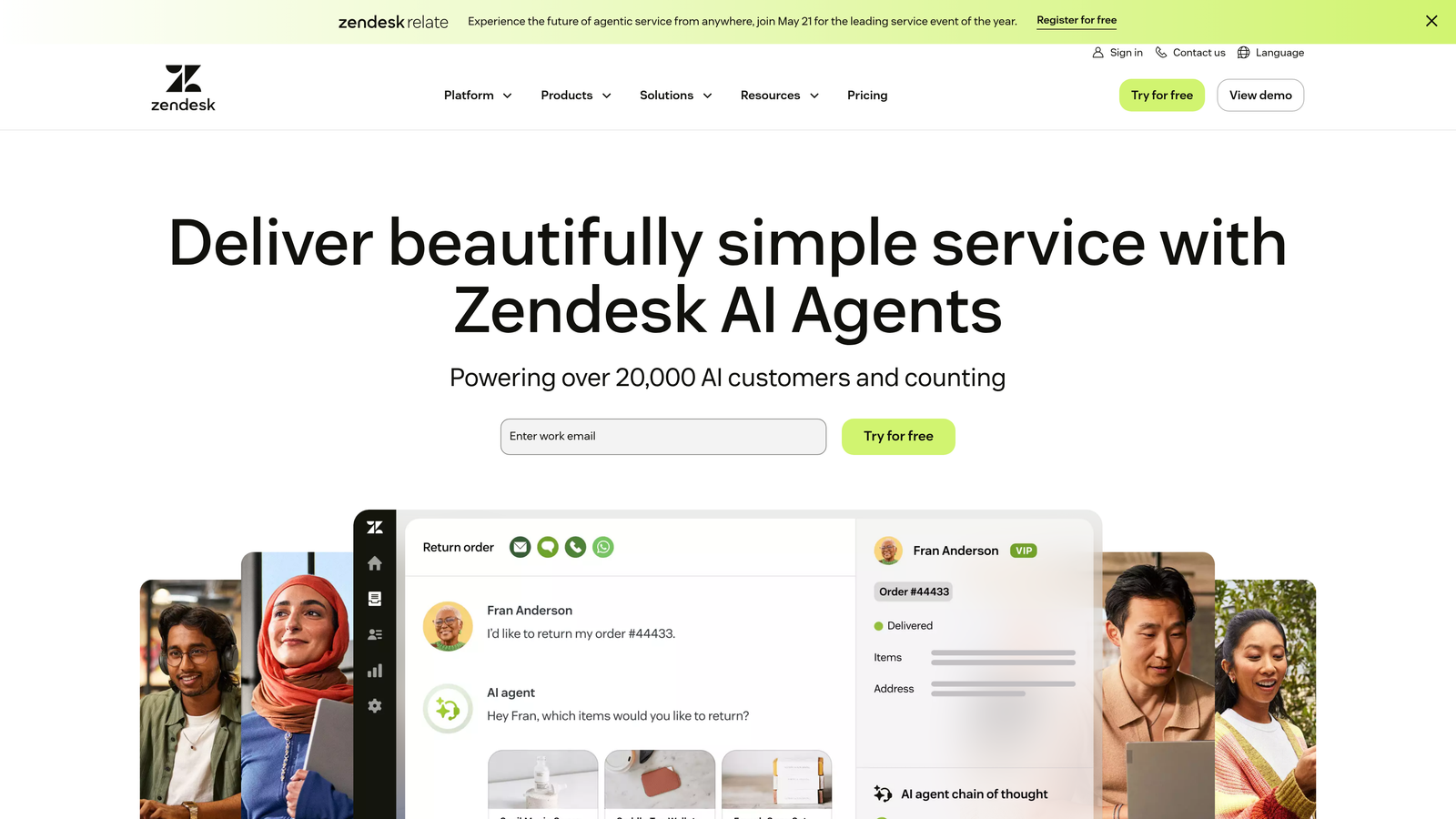
Zendesk AI is an enterprise-grade AI layer built onto the Zendesk support platform with extensive workflow automation capabilities.
Where This Tool Shines
Zendesk's market dominance means their AI features integrate with an enormous ecosystem of third-party tools and established enterprise workflows. If you're running a complex support operation with multiple integrations, this compatibility matters significantly.
The intent detection and intelligent routing capabilities excel at handling high-volume ticket operations. The system learns to categorize and route tickets with impressive accuracy, reducing manual triage work for support managers.
Key Features
Intent Detection and Routing: Automatically identifies ticket intent and routes to the appropriate team or agent based on expertise and workload.
Sentiment Analysis: Analyzes customer emotion in tickets to prioritize urgent or frustrated customers for faster response.
Agent Assist: Provides AI-generated response suggestions to help agents reply faster with consistent quality.
Workflow Automation Triggers: Creates automated workflows based on ticket content, customer data, and historical patterns.
Marketplace Integrations: Connects with hundreds of business tools through Zendesk's extensive app marketplace.
Best For
Large enterprises with existing Zendesk implementations and complex support operations requiring robust workflow automation. Best suited for teams with dedicated Zendesk administrators.
Pricing
AI features are included in Suite plans starting at $55 per agent per month. Enterprise plans with advanced AI capabilities reach higher price points with volume discounts available.
4. Freshdesk Freddy AI
Best for: Mid-market companies seeking AI assistance at competitive pricing with straightforward implementation.
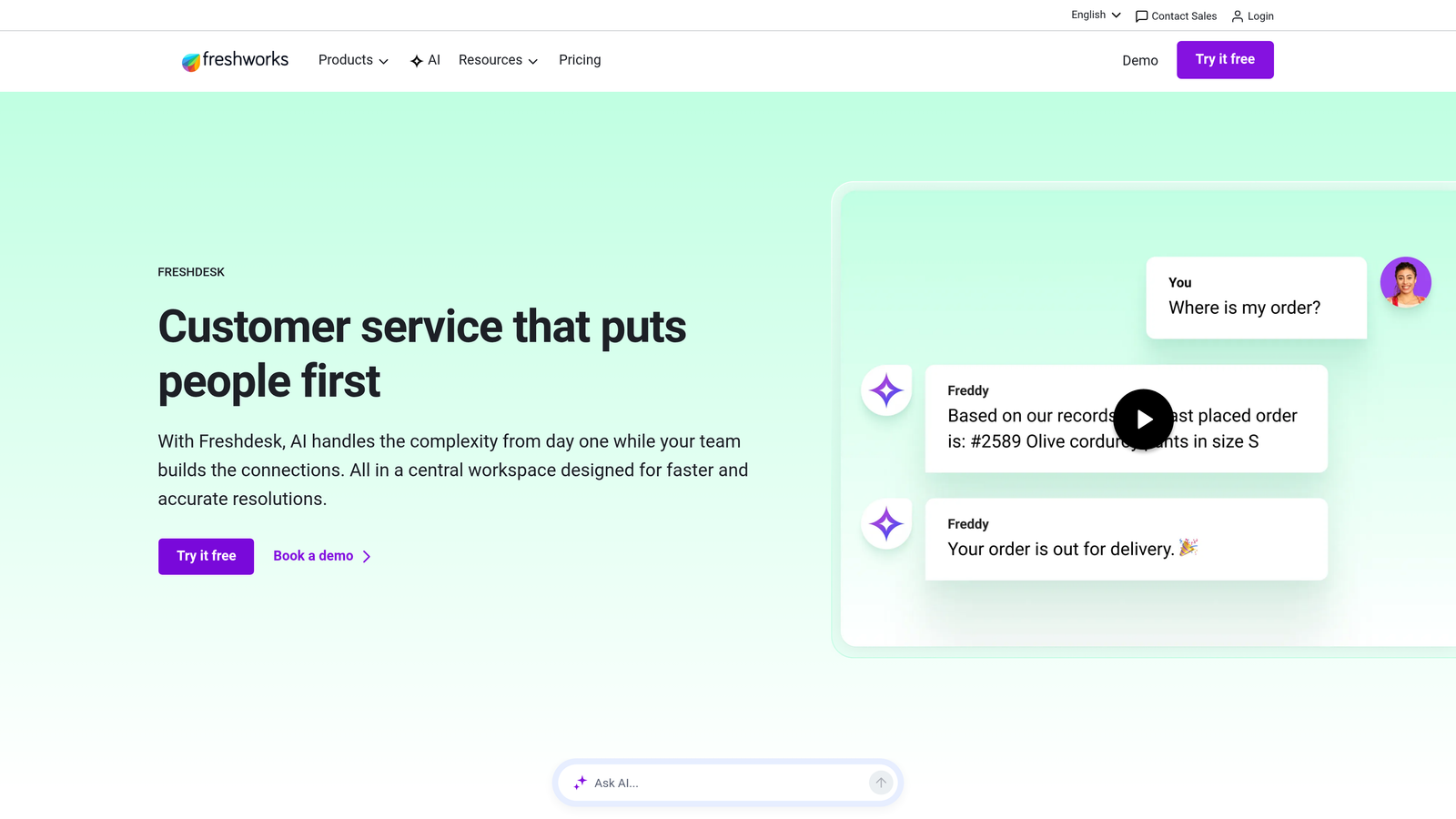
Freshdesk Freddy AI is an AI assistant offering ticket categorization, agent assistance, and automated responses within the Freshdesk platform.
Where This Tool Shines
Freddy AI delivers solid AI capabilities without the enterprise price tag. The automatic ticket categorization and tagging work reliably out of the box, reducing setup time compared to more complex platforms.
The thank you detector is a surprisingly valuable feature that prevents unnecessary ticket reopening. When customers reply with simple acknowledgments, Freddy recognizes this and keeps tickets closed, reducing noise in your support queue.
Key Features
Automatic Categorization: Tags and categorizes incoming tickets based on content analysis, maintaining consistent organization without manual sorting.
AI Response Suggestions: Recommends relevant responses to agents based on ticket content and historical resolution patterns.
Canned Response Recommendations: Suggests appropriate pre-written responses from your library based on ticket context.
Email Bot: Handles common email queries with automated responses, reducing agent workload for repetitive questions.
Thank You Detector: Identifies gratitude responses to prevent unnecessary ticket reopening and status changes.
Best For
Growing companies that need AI-powered efficiency without complex configuration. Works well for teams transitioning from basic helpdesk tools to AI-augmented support.
Pricing
Freddy AI is included in the Pro plan at $49 per agent per month, making it one of the more affordable AI-enhanced support platforms.
5. Ada
Best for: Enterprise organizations handling high conversation volumes across multiple languages and channels.
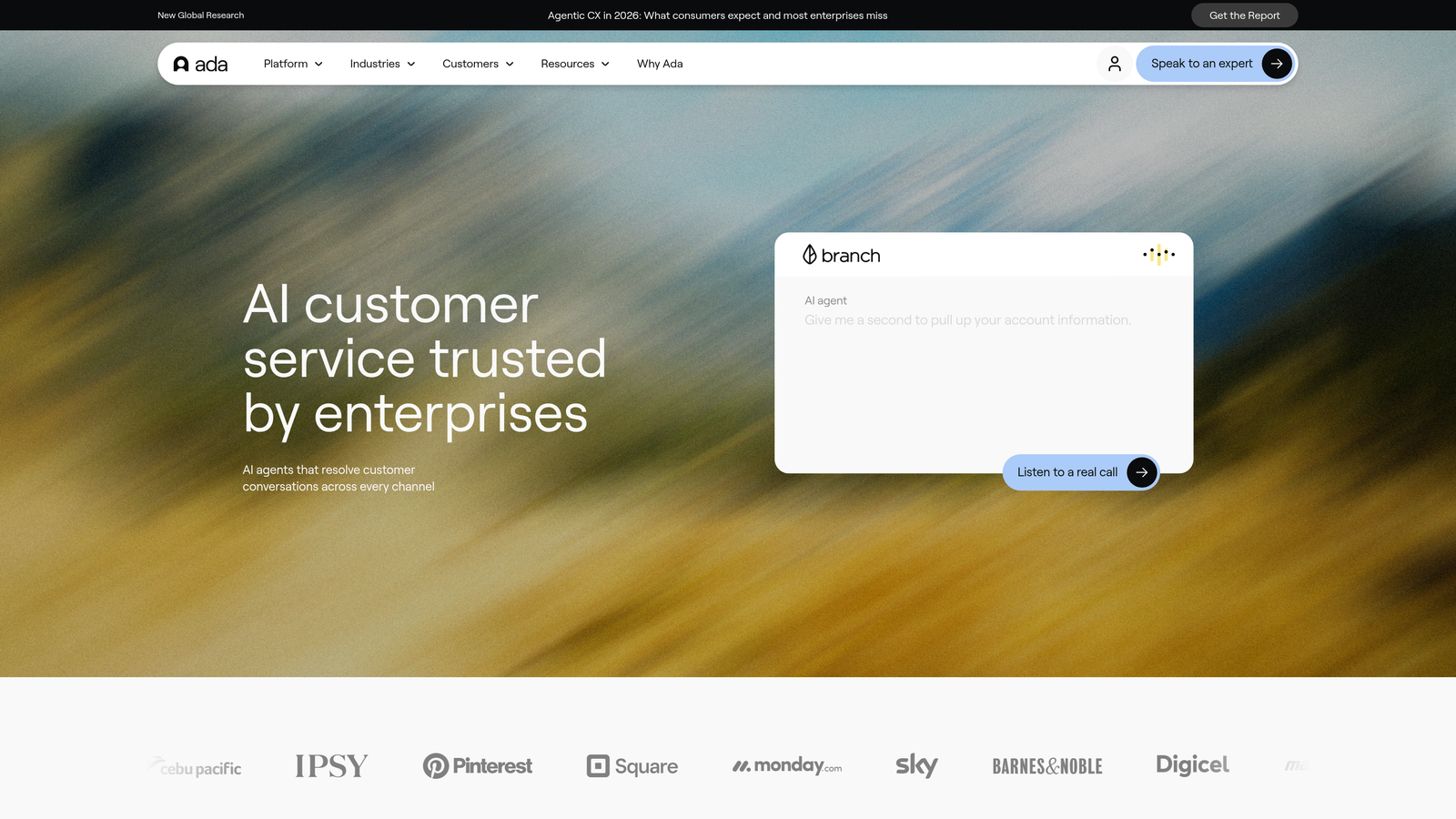
Ada is an enterprise conversational AI platform focused on automating high-volume customer interactions across digital channels.
Where This Tool Shines
Ada's no-code conversation builder empowers non-technical teams to create and modify AI workflows without developer involvement. This democratization of AI management means faster iteration and reduced dependency on engineering resources.
The platform's support for over 50 languages makes it particularly valuable for global operations. Unlike platforms that treat multi-language as an add-on, Ada built internationalization into its core architecture from the beginning.
Key Features
No-Code Conversation Builder: Create and modify AI conversation flows through visual interface without programming knowledge.
50+ Language Support: Handle customer conversations across dozens of languages with consistent AI quality and accuracy.
Proactive Messaging: Initiate conversations based on customer behavior, page visits, or lifecycle stage to prevent issues before they arise.
Enterprise Security: Meets compliance requirements for regulated industries with SOC 2, GDPR, and HIPAA capabilities.
Analytics and Reporting: Detailed conversation analytics showing automation rates, drop-off points, and improvement opportunities.
Best For
Global enterprises with high conversation volumes and complex compliance requirements. Particularly suited for companies serving international markets with diverse language needs.
Pricing
Custom enterprise pricing based on conversation volume and feature requirements. Contact Ada directly for quotes tailored to your scale.
6. Kustomer
Best for: Companies wanting CRM functionality integrated with support, prioritizing unified customer context.
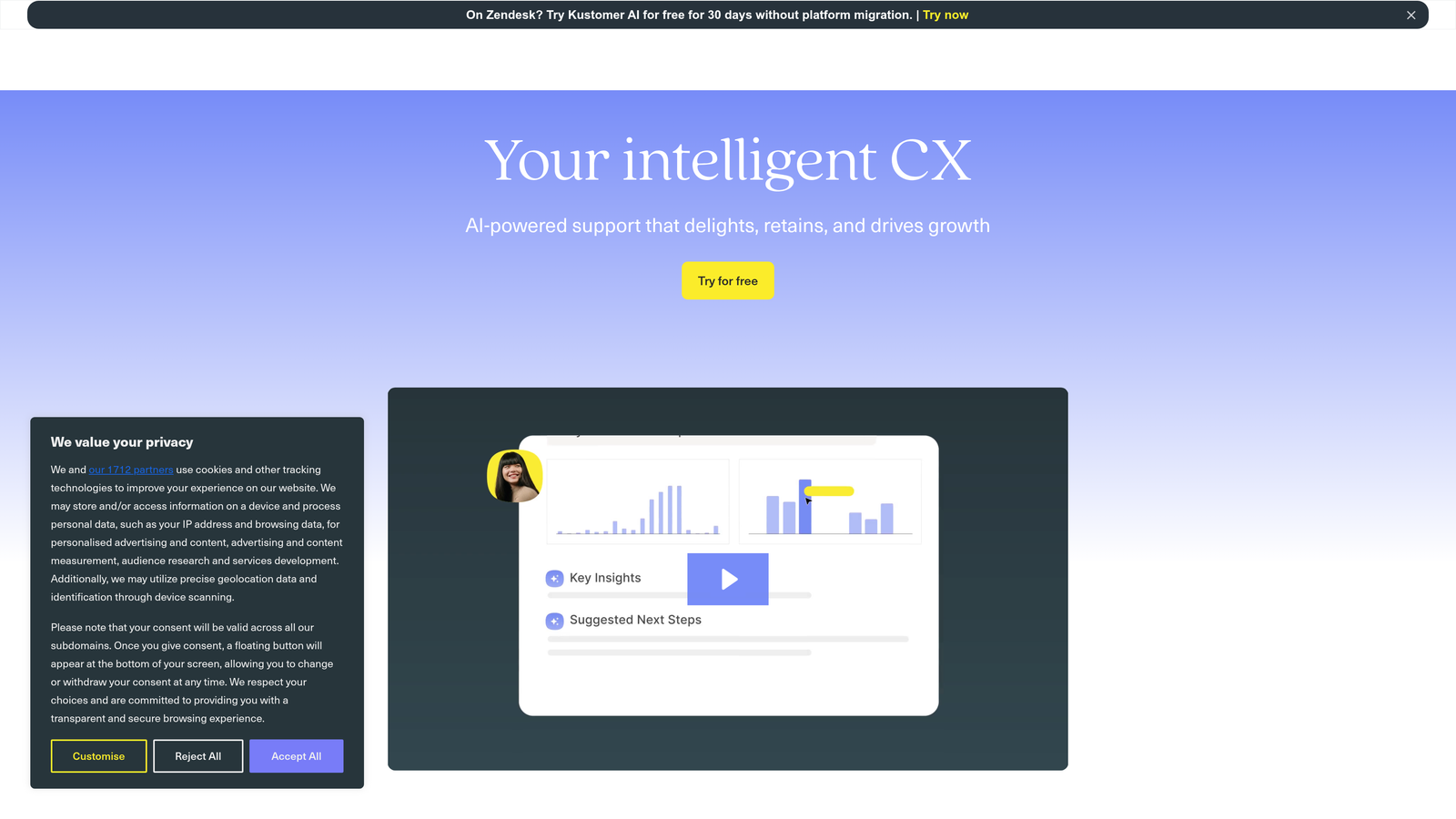
Kustomer is a CRM-first support platform featuring a unified customer timeline and AI-powered agent assistance.
Where This Tool Shines
Kustomer's single customer timeline approach fundamentally changes how agents interact with customer data. Instead of switching between tools to understand customer history, everything appears in one chronological view across all channels.
The built-in CRM functionality eliminates the need for separate customer data platforms. Support teams can see purchase history, subscription details, and interaction patterns without leaving the support interface, enabling more personalized assistance.
Key Features
Single Customer Timeline: Unified view of all customer interactions across email, chat, social, and phone in chronological order.
AI-Powered Suggested Actions: Recommends next best actions for agents based on customer context and historical resolution patterns.
Omnichannel Management: Handle conversations across channels within a single interface without platform switching.
Built-In CRM: Customer data management integrated directly into the support platform, eliminating separate CRM tools.
Workflow Automation Engine: Create automated workflows triggered by customer attributes, behaviors, or conversation content.
Best For
Companies that want to consolidate CRM and support into a single platform. Especially valuable for subscription businesses and e-commerce operations requiring deep customer context.
Pricing
Enterprise plan starts at $89 per user per month, with Ultimate tier at $139 per user per month for advanced features and higher automation limits.
7. Tidio
Best for: Small to medium e-commerce businesses seeking accessible AI chat without enterprise complexity.
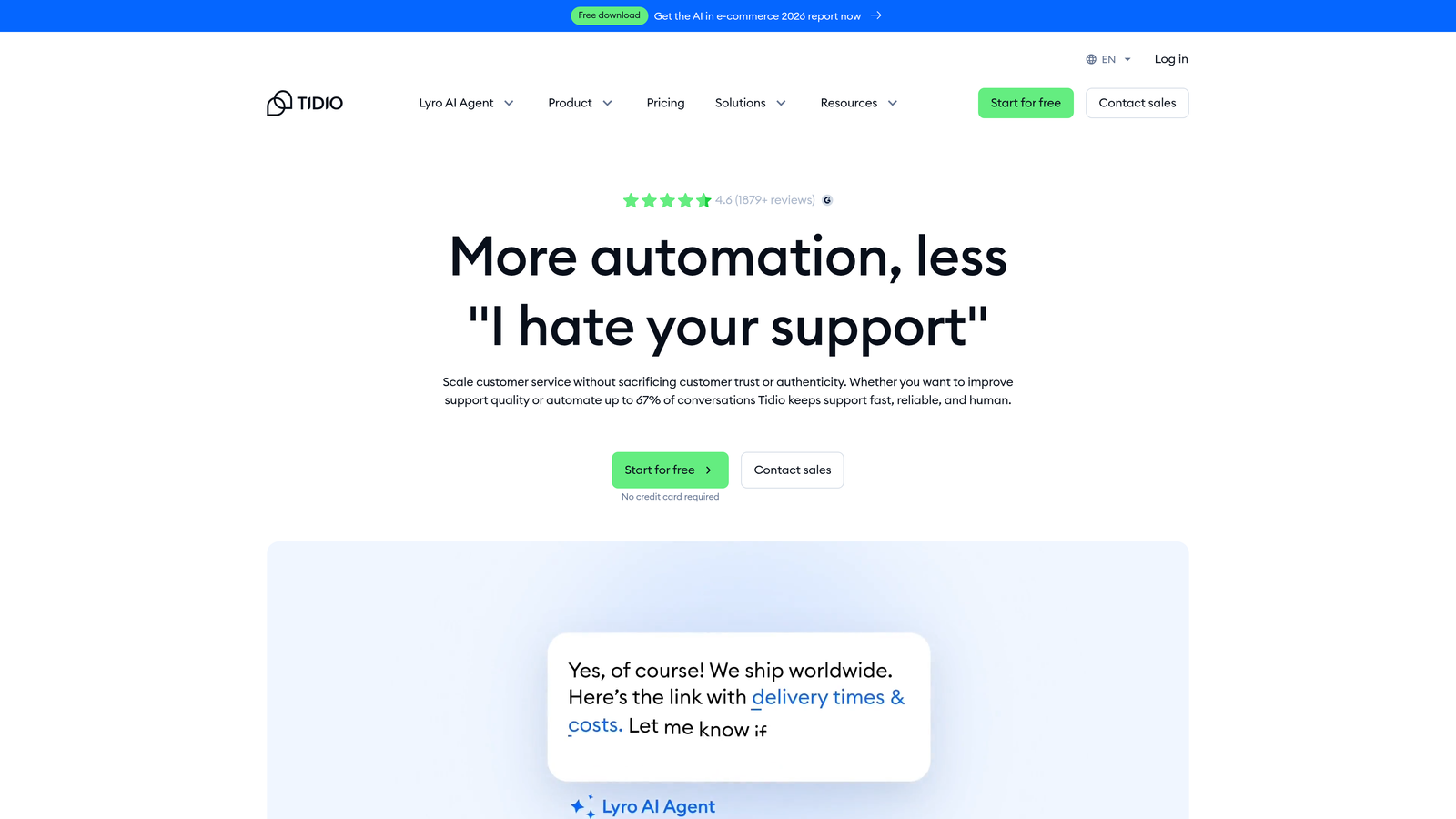
Tidio is a live chat and chatbot platform designed for SMBs and e-commerce businesses adding AI augmentation.
Where This Tool Shines
Tidio's visual drag-and-drop chatbot builder makes AI accessible to businesses without technical resources. You can create functional chatbots in minutes rather than weeks, lowering the barrier to entry for automation.
The e-commerce integrations with Shopify and WooCommerce are particularly well-executed. The platform can access order data, shipping status, and product information to answer customer questions without human intervention.
Key Features
Visual Chatbot Builder: Drag-and-drop interface for creating conversation flows without coding or technical expertise.
Live Chat with AI Suggestions: Human agents receive AI-powered response recommendations during live conversations.
E-Commerce Integrations: Direct connections to Shopify, WooCommerce, and major e-commerce platforms for order data access.
Visitor Tracking: Monitor website visitor behavior to trigger proactive chat invitations at optimal moments.
Mobile App: Manage conversations and monitor chatbot performance from iOS and Android devices.
Best For
Small e-commerce businesses and growing online stores that need affordable AI chat capabilities. Ideal for teams without dedicated technical resources for chatbot development.
Pricing
Free tier available with basic features. Paid plans start at $29 per month, making it one of the most accessible AI chat platforms for budget-conscious businesses.
8. Forethought
Best for: Enterprise teams focused on ticket triage automation and knowledge workflow optimization.
Forethought is an enterprise AI platform specializing in predictive ticket routing, automated resolutions, and knowledge gap identification.
Where This Tool Shines
Forethought's predictive ticket routing goes beyond simple keyword matching. The platform analyzes ticket content, customer attributes, and agent expertise to route tickets with impressive accuracy, reducing reassignment rates significantly.
The knowledge base gap identification feature provides unique value. Forethought identifies topics where customers frequently ask questions but documentation is missing or inadequate, giving content teams clear priorities for improvement.
Key Features
Predictive Ticket Routing: Analyzes tickets to route to the most qualified agent based on content, customer value, and agent expertise.
Solve for Automated Resolutions: Handles common queries end-to-end without agent involvement, deflecting routine tickets automatically.
Assist for Agent Responses: Provides contextual response suggestions to agents based on ticket content and resolution history.
Triage for Categorization: Automatically tags and categorizes incoming tickets for consistent organization and reporting.
Knowledge Gap Identification: Surfaces topics where documentation is missing or insufficient based on question patterns.
Best For
Large support teams with high ticket volumes seeking to optimize routing efficiency and identify knowledge base improvements. Works well for companies with specialized support tiers.
Pricing
Custom enterprise pricing based on monthly ticket volume and feature requirements. Contact Forethought for quotes specific to your support operation scale.
9. Drift
Best for: Companies bridging sales and support with revenue-focused conversational engagement.
Drift is a conversational AI platform that connects sales and support through revenue-focused customer engagement capabilities.
Where This Tool Shines
Drift's revenue-focused conversation routing recognizes the difference between support inquiries and sales opportunities. High-value prospects get routed to sales teams while support questions go to appropriate agents, maximizing revenue potential from every conversation.
The account-based engagement triggers are particularly powerful for B2B companies. Drift can identify when target accounts visit your site and trigger personalized conversations based on company attributes, deal stage, or previous interactions.
Key Features
Revenue-Focused Routing: Intelligently routes conversations to sales or support based on visitor intent and account value.
Account-Based Engagement: Triggers personalized conversations for target accounts based on firmographic data and behavior.
Meeting Scheduling Automation: Books meetings directly in conversation flows, syncing with sales team calendars automatically.
Sales and Support Handoff: Seamlessly transfers conversations between teams while maintaining context and conversation history.
Conversational Landing Pages: Replace traditional forms with conversational experiences that qualify leads through dialogue.
Best For
B2B companies with combined sales and support chat needs, particularly those with account-based marketing strategies. Best suited for organizations where website visitors span prospects and customers.
Pricing
Premium plan starts at $2,500 per month, with Advanced and Enterprise tiers available at higher price points for larger organizations and additional features.
Making the Right Choice
The AI customer support platform landscape has evolved beyond simple chatbots into genuinely intelligent systems. But the right choice depends entirely on your specific situation.
If you're seeking autonomous resolution with continuous learning, Halo AI's architecture delivers genuine ticket closure without human intervention. For existing Intercom users, Fin offers the smoothest path to AI enhancement. Enterprise teams already invested in Zendesk or Freshdesk will find their AI features integrate naturally with established workflows.
Here's how to match platforms to your needs:
For autonomous ticket resolution: Prioritize platforms like Halo AI that were built for independent operation rather than agent assistance. Look for demonstrated resolution rates in similar use cases.
For global operations: Ada's 50+ language support and enterprise security make it the standout choice for international companies with complex compliance requirements.
For e-commerce businesses: Tidio's Shopify and WooCommerce integrations deliver practical value at accessible pricing, making it ideal for growing online stores.
For sales and support alignment: Drift's revenue-focused routing bridges the gap between teams, particularly valuable for B2B companies with account-based strategies.
The critical evaluation criterion isn't feature lists—it's demonstrated autonomous resolution capability. Can the platform actually close tickets without human intervention? Does it learn from interactions to improve performance? How deeply does it integrate with your business stack?
Total cost of ownership extends beyond subscription fees. Factor in implementation time, training requirements, ongoing maintenance, and the opportunity cost of your team's time. A platform that requires constant manual tuning may cost less upfront but deliver lower ROI than one with genuine autonomous learning.
Your support team shouldn't scale linearly with your customer base. Let AI agents handle routine tickets, guide users through your product, and surface business intelligence while your team focuses on complex issues that need a human touch. See Halo in action and discover how continuous learning transforms every interaction into smarter, faster support.