9 Best Customer Support Tools for B2B Companies in 2026
Managing customer support for B2B companies requires tools built for complexity, not just volume—where every interaction impacts enterprise relationships, renewals, and revenue. This guide evaluates the nine best support platforms for 2026 that handle multi-stakeholder accounts, integrate with business systems, and transform support data into actionable intelligence rather than treating tickets as isolated events.
 Matt PattoliFounder13 min read
B2B customer support isn't just about answering questions faster. When you're managing enterprise accounts with multiple stakeholders, technical implementations, and six-figure contracts, every support interaction carries weight. A confused user could stall a renewal. A frustrated admin might escalate to your executive team. The right support platform doesn't just resolve tickets—it strengthens relationships, reduces churn, and turns support data into revenue intelligence.
The challenge? Most support tools were built for B2C volume, not B2B complexity. They treat every ticket as an isolated event rather than part of an ongoing relationship. They lack the context to understand where users are in your product, what features their account uses, or how support patterns connect to business outcomes.
Here are the top customer support tools designed for B2B environments, evaluated on their ability to handle multi-user accounts, integrate with business systems, leverage AI intelligently, and scale with enterprise needs.
1. Halo AI
Best for: B2B companies wanting AI agents that learn continuously and integrate across their entire business stack.
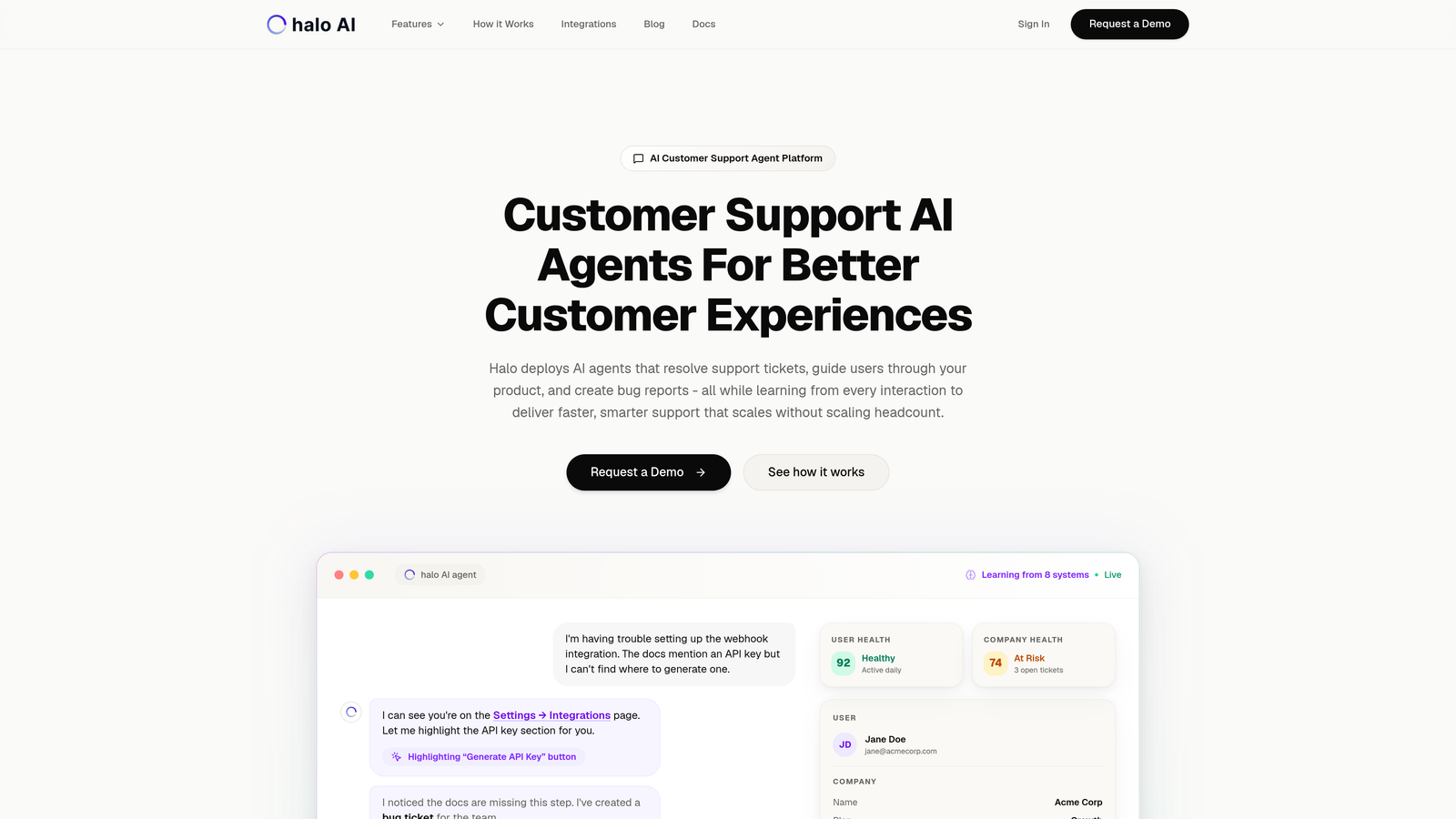
Halo AI takes a fundamentally different approach to customer support by deploying AI agents that don't just respond to tickets—they resolve them autonomously while learning from every interaction.
Where This Tool Shines
What sets Halo apart is its page-aware context. The AI doesn't just read ticket text—it sees what users see in your product. When someone says "this button isn't working," Halo knows which page they're on, what they're trying to accomplish, and can guide them through the exact steps with visual UI direction.
The platform connects to your entire business stack—Linear for bug tracking, Slack for team notifications, HubSpot for customer data, Intercom for messaging, Stripe for billing context, and more. This means support interactions don't happen in isolation. The AI understands customer health signals, revenue implications, and can surface business intelligence your team actually uses.
Key Features
Autonomous AI Agents: Resolve support tickets without human intervention while learning from every interaction to improve over time.
Page-Aware Chat Widget: Provides visual UI guidance based on exactly what users see in your product, not just generic instructions.
Smart Inbox with Business Intelligence: Surfaces customer health signals, revenue intelligence, and anomaly detection beyond basic support metrics.
Auto Bug Ticket Creation: Automatically creates engineering tickets in Linear when issues require product fixes, with full context.
Seamless Human Handoff: Escalates complex issues to live agents with complete conversation history and context.
Best For
B2B SaaS companies and product teams currently using helpdesk systems like Zendesk, Freshdesk, or Intercom who want AI that actually understands their product, not just generic support responses. Particularly valuable for technical products where visual guidance matters and for teams that want support data connected to business outcomes.
Pricing
Contact for pricing. The platform is designed for B2B companies prioritizing intelligent automation over traditional per-agent seat models.
2. Zendesk
Best for: Enterprise B2B organizations needing comprehensive ticketing with extensive third-party integrations.
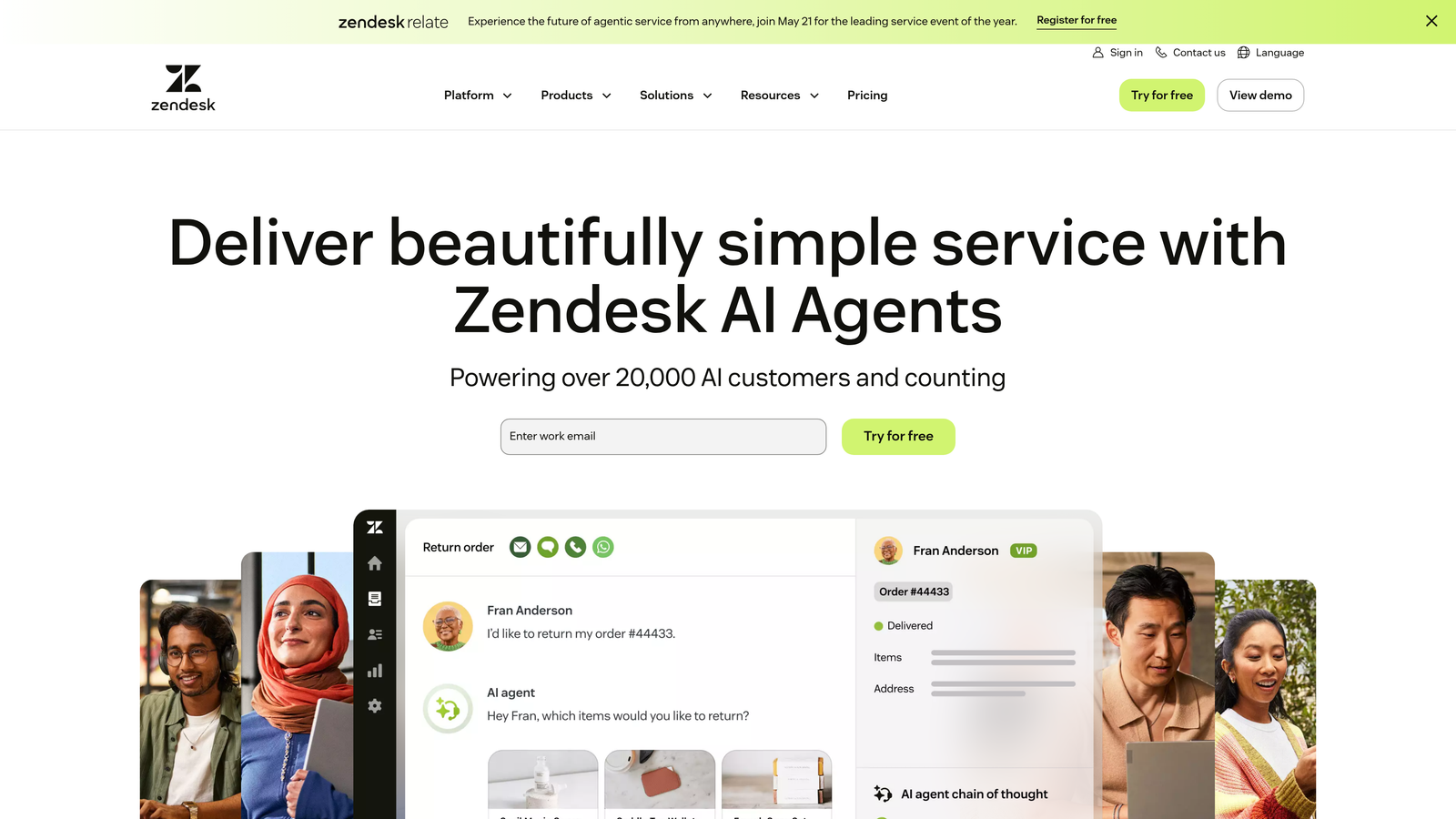
Zendesk is the established enterprise player in customer service platforms, offering mature workflows and a massive ecosystem of integrations.
Where This Tool Shines
Zendesk's real strength is its marketplace. With over 1,500 apps and integrations, you can connect virtually any business system to your support operations. The platform has been around long enough that most enterprise tools have native Zendesk connectors.
The ticketing system itself is highly customizable. You can build complex routing rules, SLA policies, and escalation workflows that match your exact support processes. For large B2B organizations with established support teams, this flexibility matters more than simplicity.
Key Features
Advanced Workflow Automation: Build sophisticated ticket routing, escalation rules, and automated responses based on multiple conditions.
Extensive App Marketplace: Connect to 1,500+ third-party tools including CRMs, project management, billing systems, and communication platforms.
Zendesk AI: Provides agent assistance, automated ticket tagging, intent detection, and suggested responses based on historical data.
Multi-Brand Support: Manage support for multiple products or brands from a single platform with separate branding and workflows.
Robust Analytics Suite: Deep reporting capabilities with custom dashboards, satisfaction tracking, and operational metrics.
Best For
Enterprise B2B companies with dedicated support teams who need extensive customization and integration options. Works well for organizations with complex support hierarchies and established processes they want to digitize rather than redesign.
Pricing
Suite Team starts at $55/agent/month. Enterprise plans with advanced features and higher usage limits require custom pricing. The cost scales significantly with team size and feature requirements.
3. Intercom
Best for: B2B SaaS companies wanting to combine support, marketing, and product messaging in one platform.
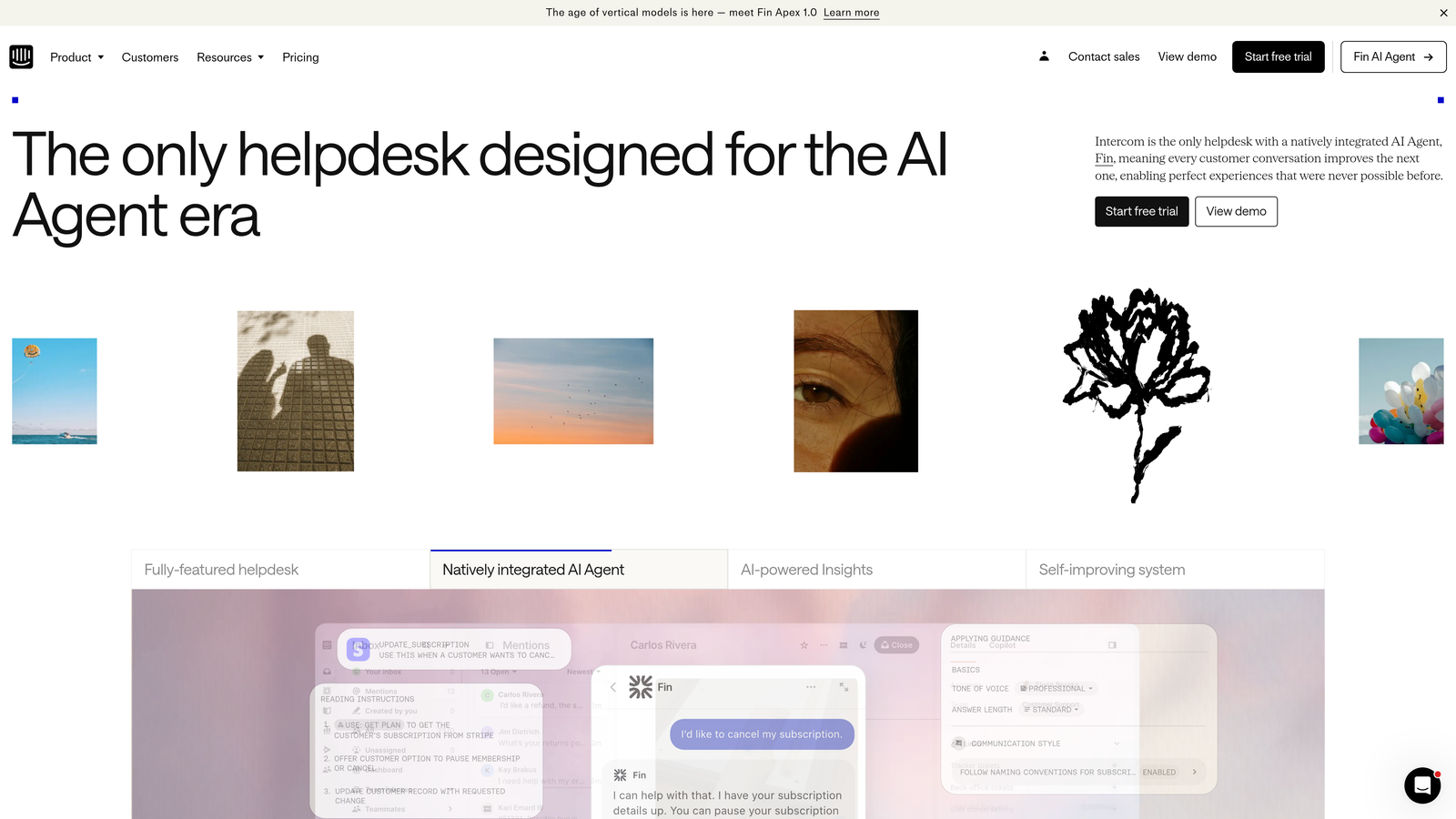
Intercom blurs the line between support tool and customer engagement platform, offering proactive messaging alongside reactive support.
Where This Tool Shines
Intercom's Fin AI agent can handle entire conversations autonomously, not just suggest responses to human agents. It pulls from your knowledge base, product documentation, and past conversations to resolve issues without escalation.
The platform excels at proactive support. You can trigger targeted messages based on user behavior—reaching out when someone gets stuck, celebrating milestones, or offering help at critical moments in the customer journey. For B2B companies, this means catching issues before they become tickets.
Key Features
Fin AI Agent: Fully automated conversations that resolve customer questions using your knowledge base and documentation without human intervention.
In-App Messaging: Communicate with users inside your product with contextual messages, product tours, and announcements.
Unified Inbox: Manage conversations across chat, email, and social channels in a single interface with full customer context.
Customer Data Platform: Track user behavior, segment audiences, and trigger automated workflows based on product usage patterns.
Proactive Messaging: Send targeted messages based on user actions, time-based triggers, or custom events to prevent issues before they escalate.
Best For
B2B SaaS companies that want to use support as part of a broader customer engagement strategy. Particularly valuable for product-led growth companies where in-app communication drives adoption and reduces support volume.
Pricing
Essential plan starts at $39/seat/month. Advanced AI features and higher message volumes require higher-tier plans. Pricing increases significantly as you add automation and AI capabilities.
4. Freshdesk
Best for: Mid-market B2B companies seeking strong functionality without enterprise pricing.
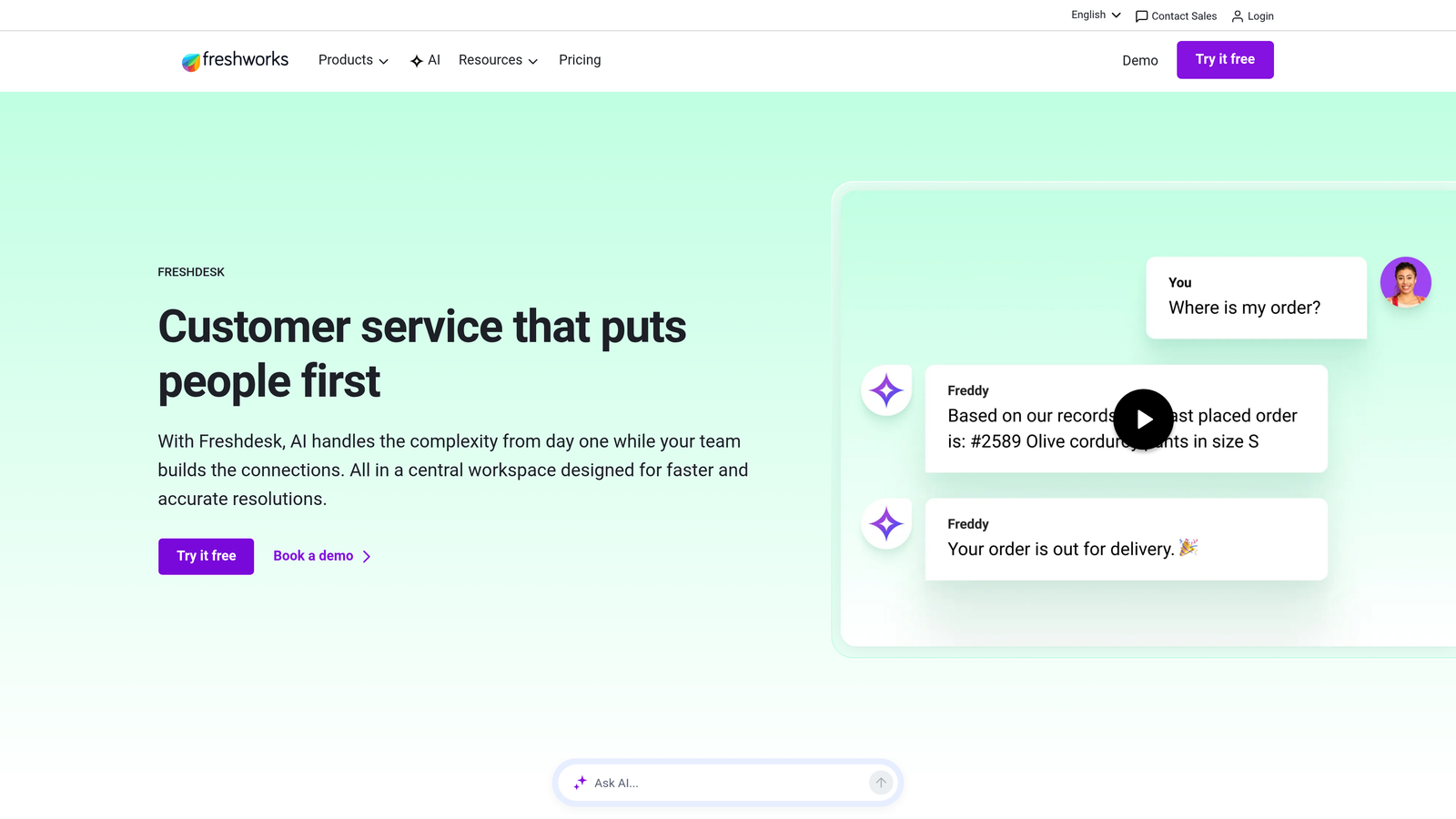
Freshdesk offers comprehensive helpdesk capabilities with a pricing structure that makes sense for growing B2B organizations.
Where This Tool Shines
Freshdesk delivers enterprise features at mid-market prices. The Freddy AI assistant provides intelligent ticket routing, suggested responses, and sentiment analysis without requiring premium plans. SLA management and escalation workflows come standard, not as add-ons.
The Team Huddle feature facilitates collaboration on complex tickets—critical for B2B support where resolution often requires input from multiple departments. You can loop in product, engineering, or sales without leaving the platform or losing context.
Key Features
Freddy AI: Intelligent ticket routing, automated responses, and agent suggestions powered by machine learning across all plans.
SLA Management: Define response and resolution time targets with automatic escalation when deadlines approach or are missed.
Team Huddle: Collaborate on tickets with internal teams, share context, and coordinate responses without external communication tools.
Field Service Management: Optional add-on for B2B companies with on-site service requirements, coordinating technicians and appointments.
Satisfaction Surveys: Automated CSAT surveys after ticket resolution with reporting to track support quality over time.
Best For
Growing B2B companies that need robust support capabilities but aren't ready for enterprise-level investment. Works well for organizations with 10-50 support agents who need AI assistance and workflow automation without complex implementation.
Pricing
Free tier available for basic ticketing. Growth plan starts at $15/agent/month with AI features and automation. Pro and Enterprise plans add advanced capabilities at competitive rates compared to Zendesk or Salesforce.
5. HubSpot Service Hub
Best for: B2B companies already using HubSpot CRM who want unified customer data across marketing, sales, and support.
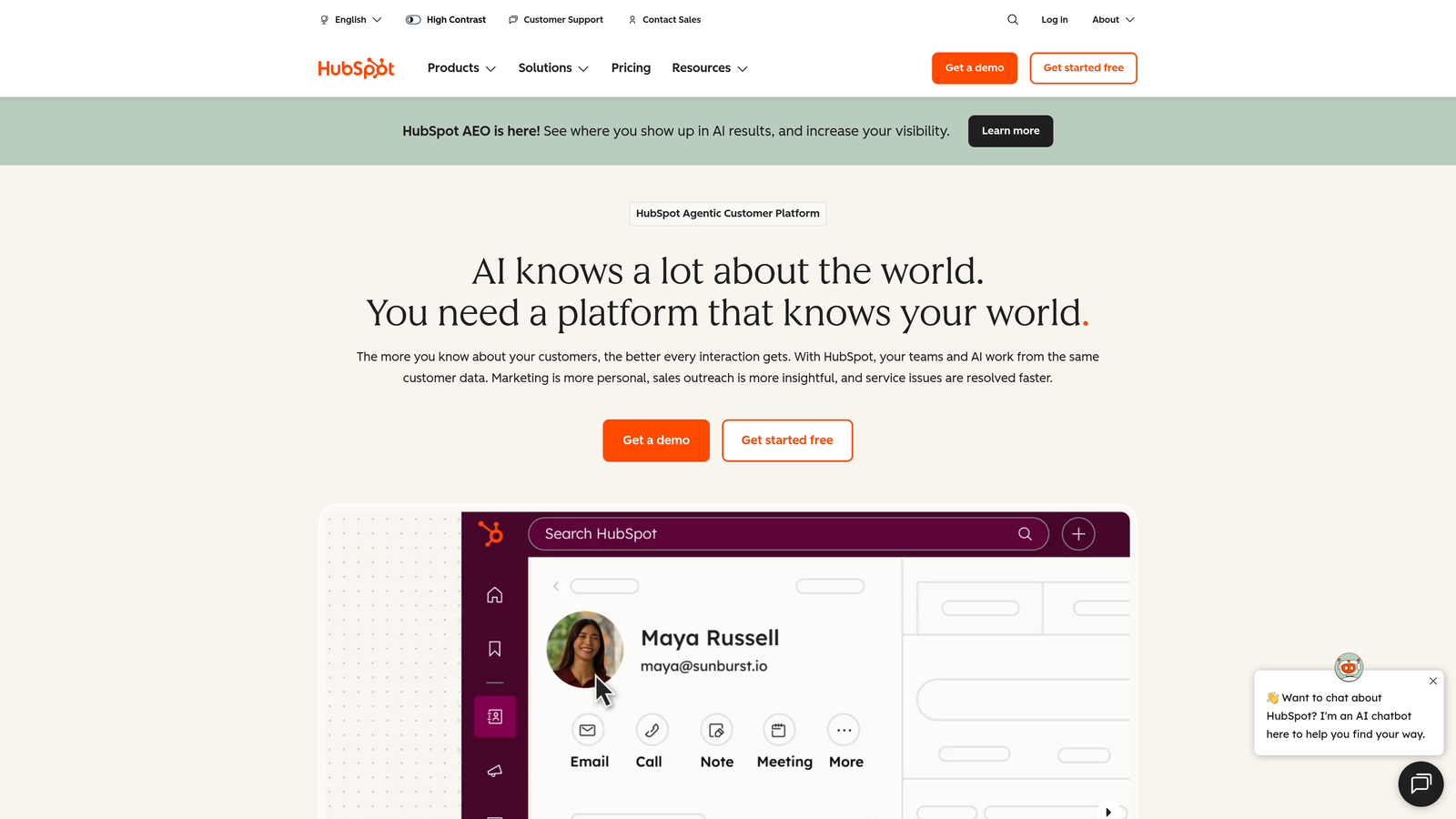
HubSpot Service Hub integrates natively with HubSpot's CRM, providing complete customer context from first website visit through support interactions.
Where This Tool Shines
The power of Service Hub is its unified customer timeline. When a support agent opens a ticket, they see every marketing email, sales call, product usage event, and previous support interaction in one view. This context matters enormously in B2B where understanding the customer relationship informs how you handle issues.
The knowledge base includes SEO optimization tools, helping your support content rank in search results. For B2B companies, this means prospects find answers during evaluation, reducing pre-sales support burden and building confidence before purchase.
Key Features
Native CRM Integration: Complete customer timeline showing marketing interactions, sales activities, deals, and support history in unified view.
Conversational Bots: Automated chat workflows that qualify inquiries, route to appropriate teams, and handle common questions before escalation.
Knowledge Base: SEO-optimized help center with analytics showing which articles reduce ticket volume and where gaps exist.
Customer Feedback Tools: NPS surveys, customer satisfaction tracking, and feedback collection integrated with customer records.
Service Analytics: Reporting that connects support metrics to revenue data, showing how support quality impacts retention and expansion.
Best For
B2B companies already invested in HubSpot's ecosystem who want to extend their unified data model to support operations. Particularly valuable when sales and support teams need shared visibility into customer relationships and account health.
Pricing
Free tools available with basic ticketing and live chat. Starter plan at $45/month includes automation and simple reporting. Professional and Enterprise plans add advanced features with pricing based on contact database size and seat count.
6. Salesforce Service Cloud
Best for: Enterprise B2B organizations deeply integrated with Salesforce CRM needing extensive customization.
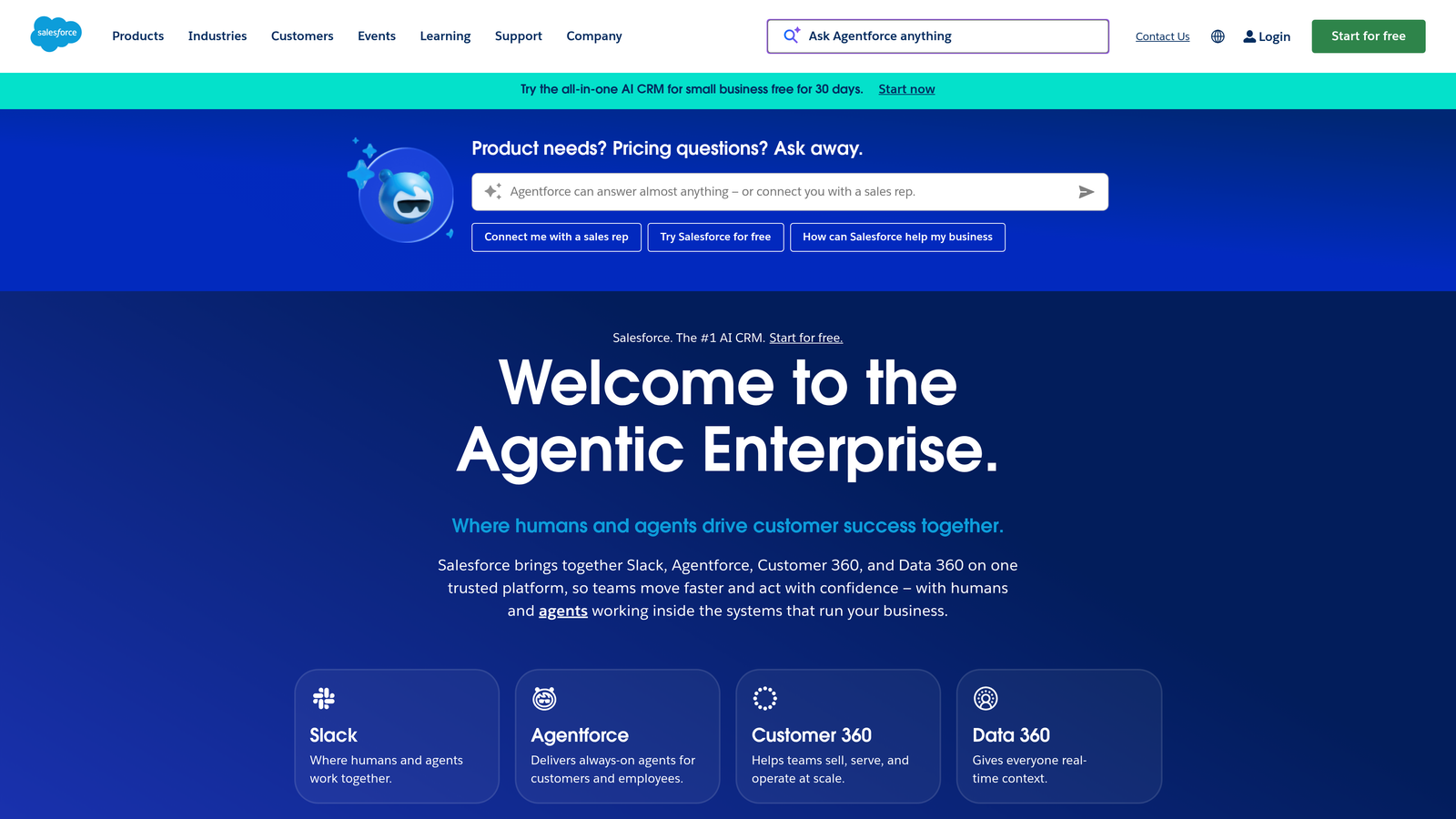
Salesforce Service Cloud brings enterprise-grade service capabilities with the full power of the Salesforce platform behind it.
Where This Tool Shines
Service Cloud's Einstein AI goes beyond basic automation. It classifies cases automatically, recommends solutions based on similar historical cases, and predicts which issues might escalate before they do. For complex B2B support scenarios, this intelligence helps agents resolve issues faster with better outcomes.
The platform's customization capabilities are unmatched. Using Lightning Platform, you can build custom workflows, objects, and integrations that exactly match your business processes. This matters for B2B companies with unique support requirements that don't fit standard templates.
Key Features
Einstein AI: Automated case classification, intelligent routing, next-best-action recommendations, and escalation prediction based on historical patterns.
Omni-Channel Routing: Distribute work across channels and agents based on skills, availability, and priority with real-time presence management.
Field Service Lightning: Coordinate on-site service for B2B companies with field technicians, including scheduling, dispatch, and mobile capabilities.
Salesforce Ecosystem: Native integration with Sales Cloud, Marketing Cloud, and thousands of AppExchange applications.
Lightning Platform Customization: Build custom objects, workflows, and integrations without leaving the Salesforce environment.
Best For
Enterprise B2B organizations with complex support requirements and existing Salesforce investments. Best suited for companies with dedicated Salesforce administrators who can leverage the platform's customization capabilities effectively.
Pricing
Essentials starts at $25/user/month with basic features. Professional at $75/user/month adds Einstein AI and advanced capabilities. Enterprise and Unlimited plans provide full customization options with pricing scaling based on usage and features.
7. Help Scout
Best for: B2B companies prioritizing personal, human-centered support over ticket-centric workflows.
Help Scout deliberately avoids traditional helpdesk terminology and workflows, focusing instead on conversations and relationships.
Where This Tool Shines
Help Scout treats support as conversations, not tickets. The shared inbox looks like email, making it immediately familiar to teams without extensive training. Collision detection prevents multiple agents from responding to the same inquiry—a simple but critical feature for maintaining professional B2B communications.
The Beacon widget embeds your knowledge base directly in your product. Users can search for answers without leaving your application, and if they don't find what they need, they can start a conversation with full context about what they were searching for.
Key Features
Shared Inbox: Email-style interface with collision detection, assignment, and internal notes that feels natural rather than technical.
Docs Knowledge Base: Self-service documentation with Beacon widget for embedding help content directly in your product.
Customer Profiles: Complete conversation history and custom fields for tracking account-specific information relevant to B2B relationships.
Saved Replies and Workflows: Templates for common responses and automated actions based on conversation attributes or customer data.
Satisfaction Ratings: Simple feedback collection after conversations with reporting to track support quality trends over time.
Best For
Growing B2B companies with 5-25 support team members who want to maintain personal relationships with customers as they scale. Works well for organizations that value support quality and customer experience over operational efficiency metrics.
Pricing
Standard plan starts at $20/user/month with core features. Plus plan at $40/user/month adds advanced reporting and custom fields. Pro plan includes priority support and additional customization options.
8. Front
Best for: B2B teams managing shared email addresses who need collaboration without losing individual accountability.
Front transforms shared inboxes into collaborative workspaces while maintaining the personal touch of individual email.
Where This Tool Shines
Front solves a specific B2B problem: team inboxes that need to feel personal. Each team member can send from the shared address but with their individual signature and identity. Customers see consistent branding while knowing exactly who they're talking to—critical for building B2B relationships.
Internal comments and @mentions let teams collaborate on responses without forwarding emails or using separate communication tools. You can discuss how to handle a sensitive customer issue, loop in subject matter experts, and coordinate responses all within the same interface where the customer conversation lives.
Key Features
Shared Inboxes with Individual Identity: Team members send from shared addresses while maintaining personal signatures and accountability.
Internal Comments: Discuss customer emails privately with @mentions to loop in teammates without forwarding or external tools.
Automated Workflows: Rules-based automation for routing, tagging, and assigning conversations based on content, sender, or custom criteria.
Sidebar Integrations: Access CRM data, project management tools, and business applications directly alongside customer conversations.
Analytics Dashboard: Track team performance, response times, and workload distribution with customizable reporting.
Best For
B2B companies with shared email addresses for sales, support, or account management who want team collaboration without sacrificing the personal nature of email communication. Particularly valuable for organizations where relationship quality matters more than ticket volume metrics.
Pricing
Starter plan at $19/seat/month includes core shared inbox features. Growth plan at $59/seat/month adds advanced automation and integrations. Scale plan provides enterprise features with custom pricing based on team size and requirements.
9. Zoho Desk
Best for: Cost-conscious B2B teams already using Zoho ecosystem who need context-aware support.
Zoho Desk delivers comprehensive helpdesk functionality with AI assistance at price points significantly lower than enterprise competitors.
Where This Tool Shines
Zia, Zoho's AI assistant, provides sentiment analysis on incoming tickets, helping agents prioritize emotionally charged issues before they escalate. For B2B relationships where one frustrated stakeholder can impact an entire account, this early warning system matters.
Blueprint feature lets you design visual workflows for complex support processes. You can map out exactly how different ticket types should be handled, who needs to be involved, and what steps must be completed. This standardization helps B2B teams maintain consistency across accounts.
Key Features
Zia AI Assistant: Sentiment analysis, response suggestions, anomaly detection, and automated tagging based on ticket content and patterns.
Multi-Department Ticketing: Route tickets across support, sales, and technical teams with department-specific views and workflows.
Zoho Ecosystem Integration: Native connectivity with Zoho CRM, Projects, Analytics, and 40+ other Zoho applications.
Blueprint Process Automation: Visual workflow designer for standardizing how different ticket types and scenarios are handled.
Community Forums: Self-service community platform where customers can help each other, reducing support burden for common questions.
Best For
B2B companies already using Zoho applications who want integrated support capabilities without switching platforms. Strong value for organizations with limited budgets who still need AI assistance, automation, and comprehensive features.
Pricing
Free tier available for up to three agents. Standard plan at $14/agent/month includes Zia AI and basic automation. Professional and Enterprise plans add advanced features while remaining significantly cheaper than Zendesk or Salesforce equivalents.
Matching Your B2B Support Needs to the Right Platform
The right customer support tool depends on where you are and where you're going. Early-stage B2B companies often prioritize simplicity and cost—Help Scout or Freshdesk deliver strong functionality without complexity. Mid-market organizations typically need more sophisticated automation and integrations—Intercom or HubSpot Service Hub make sense when you're connecting support to broader customer engagement strategies.
Enterprise B2B companies face different decisions. If you're deeply invested in Salesforce, Service Cloud's customization capabilities justify the complexity. If you need extensive third-party integrations, Zendesk's marketplace is hard to beat. If you're cost-conscious with Zoho ecosystem investments, Zoho Desk delivers remarkable value.
But here's what matters most: your support tool should reduce operational burden, not add to it. Every ticket your team manually handles is time they're not spending on complex issues that actually need human expertise. Every repetitive question answered is an opportunity cost.
The future of B2B support isn't about faster human responses—it's about intelligent systems that resolve most issues autonomously while surfacing the insights your team needs to strengthen customer relationships. Look for platforms where AI capabilities are core to the architecture, not bolted on. Evaluate how well support data connects to business outcomes like retention, expansion, and customer health.
Your support team shouldn't scale linearly with your customer base. Let AI agents handle routine tickets, guide users through your product, and surface business intelligence while your team focuses on complex issues that need a human touch. See Halo in action and discover how continuous learning transforms every interaction into smarter, faster support.