9 Best Helpdesk Automation Software Solutions Compared for 2026
This comprehensive helpdesk automation software comparison evaluates nine leading platforms to help B2B support teams handle 50+ daily tickets more efficiently. The guide analyzes solutions based on AI capabilities, integration options, implementation ease, and scalability—helping you choose the right automation tool whether you need routine ticket deflection, enhanced agent workflows, or fully autonomous AI support.
 Matt PattoliFounder12 min read
Support teams are drowning in tickets. The average B2B support agent handles 50+ tickets daily, and customers expect faster responses than ever. Helpdesk automation software promises to change this equation—but with dozens of options claiming to revolutionize your support workflow, choosing the right one feels like its own support ticket nightmare.
This comparison cuts through the noise. We evaluated nine leading helpdesk automation platforms based on AI capabilities, integration depth, ease of implementation, and real-world scalability. Whether you're looking to deflect routine tickets, enable smarter agent workflows, or deploy fully autonomous AI support, you'll find the right fit below.
1. Halo AI
Best for: Teams wanting autonomous AI agents that learn continuously and connect across their entire business stack.
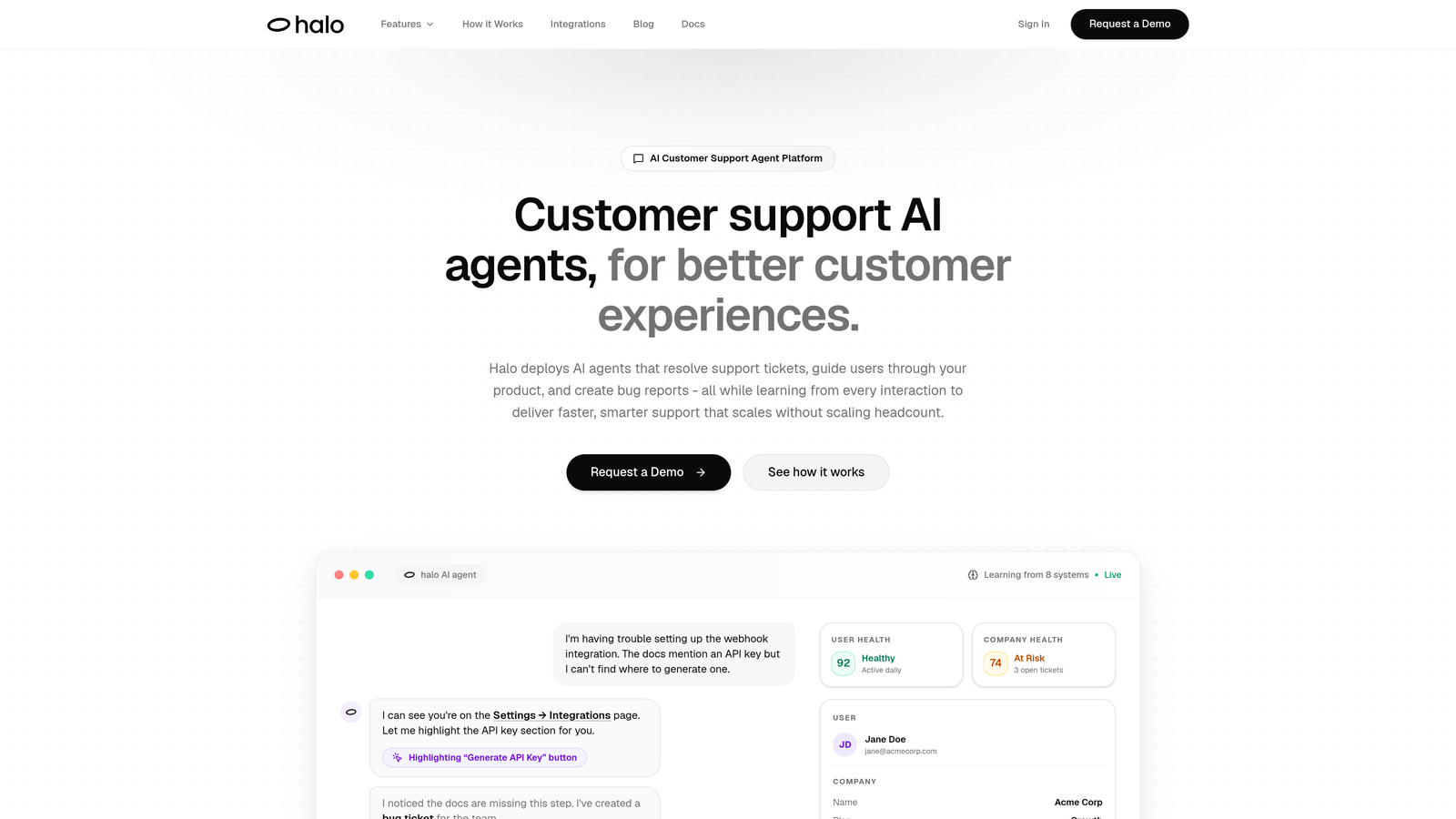
Halo AI is an AI-native customer support platform built from the ground up for autonomous ticket resolution and continuous learning.
Where This Tool Shines
Unlike legacy helpdesks that bolted AI onto existing infrastructure, Halo was designed AI-first. Its agents don't just suggest responses—they resolve tickets independently, learning from every interaction to improve future performance. The page-aware context feature stands out: the AI sees exactly what your users see, enabling visual guidance that traditional chatbots can't match.
The platform connects to your entire business stack—Linear for bug tracking, Slack for team communication, HubSpot for CRM, Stripe for billing context, and more. This means Halo doesn't just handle support tickets; it surfaces business intelligence, detects customer health signals, and automatically creates engineering tickets when bugs appear.
Key Features
Autonomous AI Agents: Resolve tickets without human intervention, handling routine inquiries end-to-end while escalating complex issues appropriately.
Page-Aware Context: AI sees what users see on your product, enabling visual UI guidance and context-aware troubleshooting.
Smart Inbox with Business Intelligence: Beyond support metrics, get customer health signals, revenue intelligence, and anomaly detection across your business.
Auto Bug Ticket Creation: Automatically generates engineering tickets in Linear, Slack, and other tools when product issues emerge from support conversations.
Continuous Learning Architecture: Every interaction trains the AI, improving resolution rates and accuracy over time without manual retraining.
Best For
B2B SaaS companies and product teams that want AI to handle the heavy lifting autonomously. Particularly valuable if you're using helpdesk systems like Zendesk, Freshdesk, or Intercom and want to layer intelligent automation on top, or if you're ready to replace those systems entirely with an AI-first approach.
Pricing
Contact for pricing; scales based on resolution volume rather than per-agent seats, aligning costs with the value AI delivers.
2. Zendesk AI
Best for: Enterprise teams already invested in the Zendesk ecosystem needing native AI capabilities.
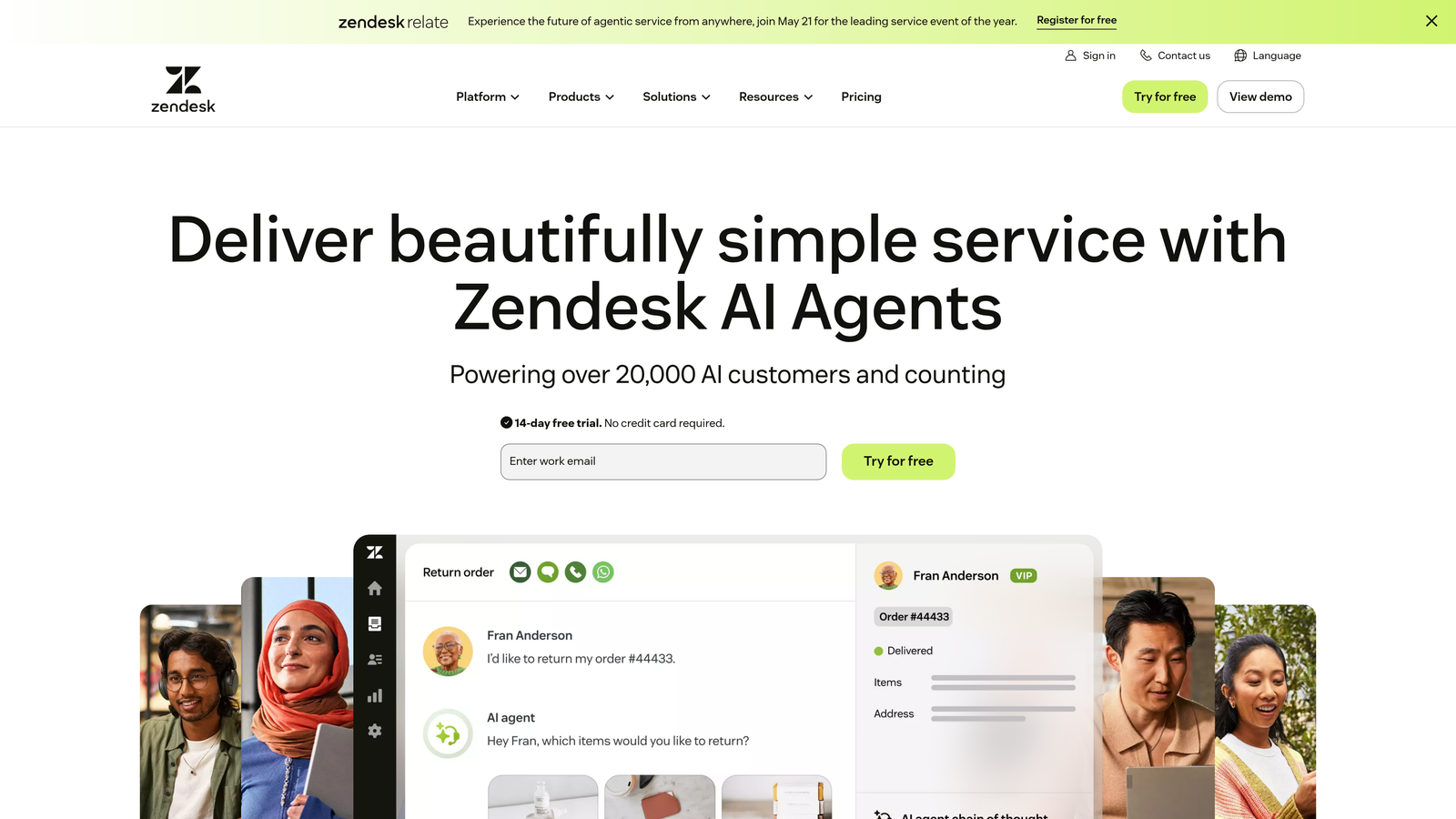
Zendesk AI is the enterprise helpdesk platform's native AI layer for intelligent routing, agent assistance, and automated responses.
Where This Tool Shines
Zendesk's massive marketplace of 1,500+ integrations means you can connect virtually any business tool. The AI capabilities layer naturally onto the existing platform many teams already use, reducing implementation friction. For organizations with complex support hierarchies, the intelligent routing system excels at matching tickets to the right specialist based on content analysis.
The agent workspace with AI-suggested responses helps your team maintain consistency while speeding up resolution times. If you're already paying for Zendesk Suite, adding AI features feels like a natural evolution rather than a platform switch.
Key Features
AI-Powered Ticket Triage: Automatically categorizes and routes incoming tickets based on content analysis and historical patterns.
Agent Workspace with AI Suggestions: Provides context-aware response recommendations to help agents reply faster and more consistently.
Extensive Integration Marketplace: Connect to 1,500+ apps and services through pre-built integrations and APIs.
Advanced Reporting Suite: Deep analytics on team performance, ticket trends, and customer satisfaction metrics.
Customizable Automation Workflows: Build macros and triggers to automate repetitive tasks and enforce SLA compliance.
Best For
Mid-market to enterprise companies already using Zendesk who want to add AI capabilities without migrating platforms. Works well for teams with complex routing needs and established support processes.
Pricing
Suite Team starts at $55 per agent per month; AI add-on pricing varies based on usage and features selected.
3. Intercom Fin
Best for: Messenger-first support teams wanting conversational AI with proactive engagement capabilities.
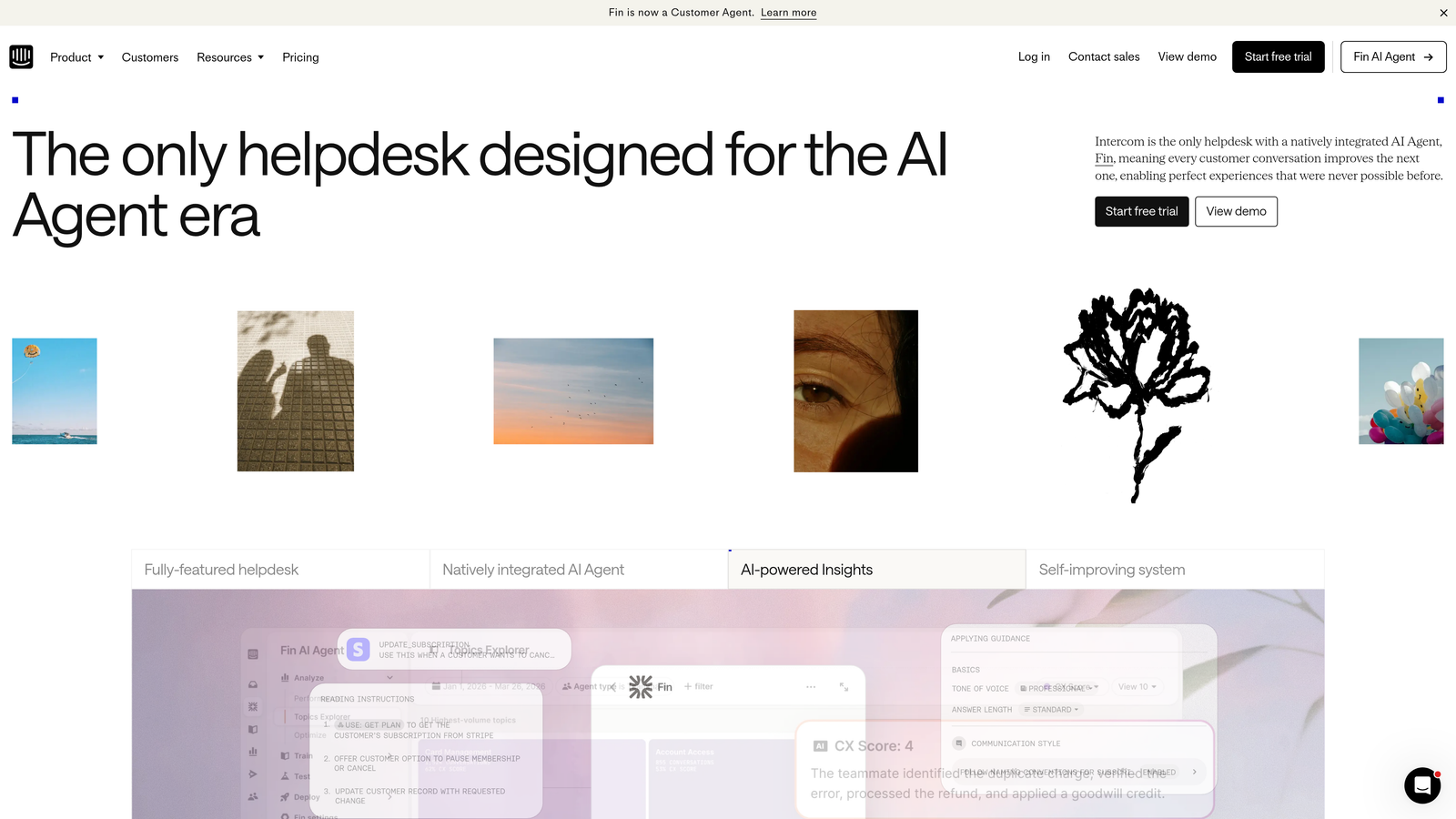
Intercom Fin is a conversational AI support bot integrated into Intercom's messenger platform for both reactive and proactive customer engagement.
Where This Tool Shines
Fin excels at conversational support that feels natural rather than robotic. It trains on your help center content and custom materials, then engages customers in your brand voice. The seamless handoff to human agents preserves full conversation context, so customers never repeat themselves.
The proactive messaging based on user behavior sets Intercom apart. Fin can reach out to users who appear stuck, offer product tours to new signups, or surface relevant help articles based on page activity. This shifts support from purely reactive to strategically proactive.
Key Features
AI Chatbot Trained on Your Content: Learns from help center articles, custom documents, and conversation history to provide accurate answers.
Seamless Human Handoff: Transfers conversations to agents with full context, eliminating customer frustration from repeating information.
Proactive Messaging: Engages users based on behavior patterns, page visits, and product usage signals.
Product Tours and Onboarding: Automates new user education with interactive walkthroughs and contextual guidance.
Resolution Reporting: Tracks AI performance metrics including resolution rate, accuracy, and customer satisfaction scores.
Best For
SaaS companies that prioritize in-app messaging and want to combine reactive support with proactive user engagement. Particularly effective for onboarding-heavy products or complex workflows where users frequently need guidance.
Pricing
Fin AI costs $0.99 per resolution; base Intercom platform starts at $39 per seat per month.
4. Freshdesk Freddy AI
Best for: Mid-market teams seeking comprehensive AI automation at accessible price points.
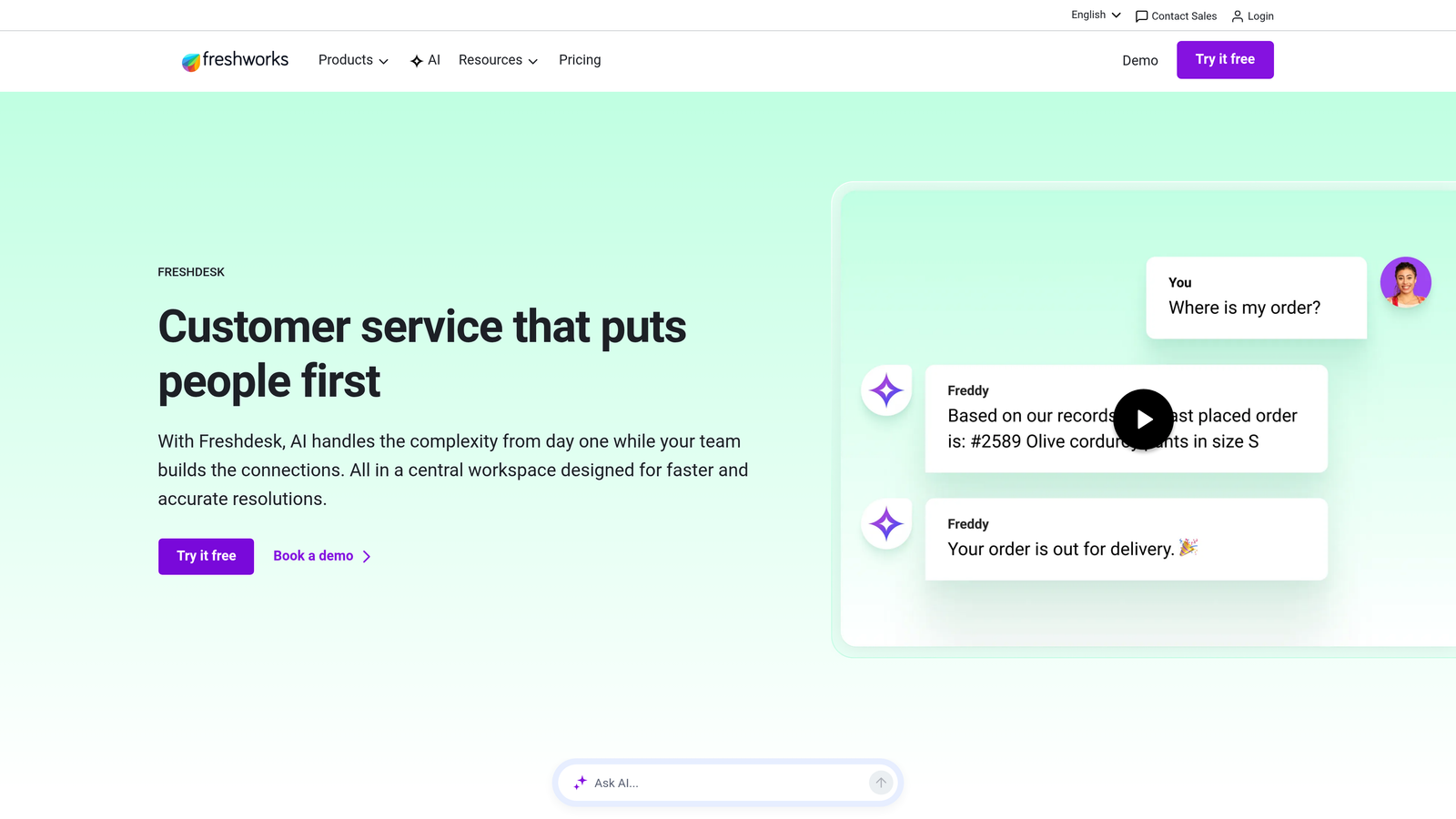
Freshdesk Freddy AI is Freshworks' AI-powered helpdesk offering ticket automation, agent assistance, and self-service capabilities with mid-market pricing.
Where This Tool Shines
Freshdesk hits the sweet spot between functionality and affordability. Freddy AI handles auto-triage and suggests responses without the enterprise price tag of Zendesk or Salesforce Service Cloud. The visual automation builder makes it accessible for teams without technical resources—you can create complex workflows through drag-and-drop interfaces.
The integrated knowledge base with AI article suggestions helps maintain self-service content. Freddy analyzes incoming tickets and recommends creating new articles when it detects knowledge gaps, turning support interactions into documentation opportunities.
Key Features
Freddy AI Auto-Triage: Automatically categorizes tickets, assigns priority levels, and routes to appropriate agents or departments.
Visual Automation Builder: Create workflow automations through intuitive drag-and-drop interface without coding.
Integrated Knowledge Base: AI suggests relevant articles to agents and recommends creating new content based on ticket patterns.
Multi-Channel Support: Handle email, chat, phone, social media, and messaging apps from a unified interface.
SLA Management: Track and enforce service level agreements with automated escalations and team performance dashboards.
Best For
Growing companies that need robust automation features but aren't ready for enterprise pricing. Works well for teams supporting customers across multiple channels who want straightforward implementation.
Pricing
Growth plan starts at $15 per agent per month; Pro plan at $49 per agent per month with advanced AI features.
5. Help Scout
Best for: Teams prioritizing personal customer relationships with thoughtful AI augmentation rather than full automation.
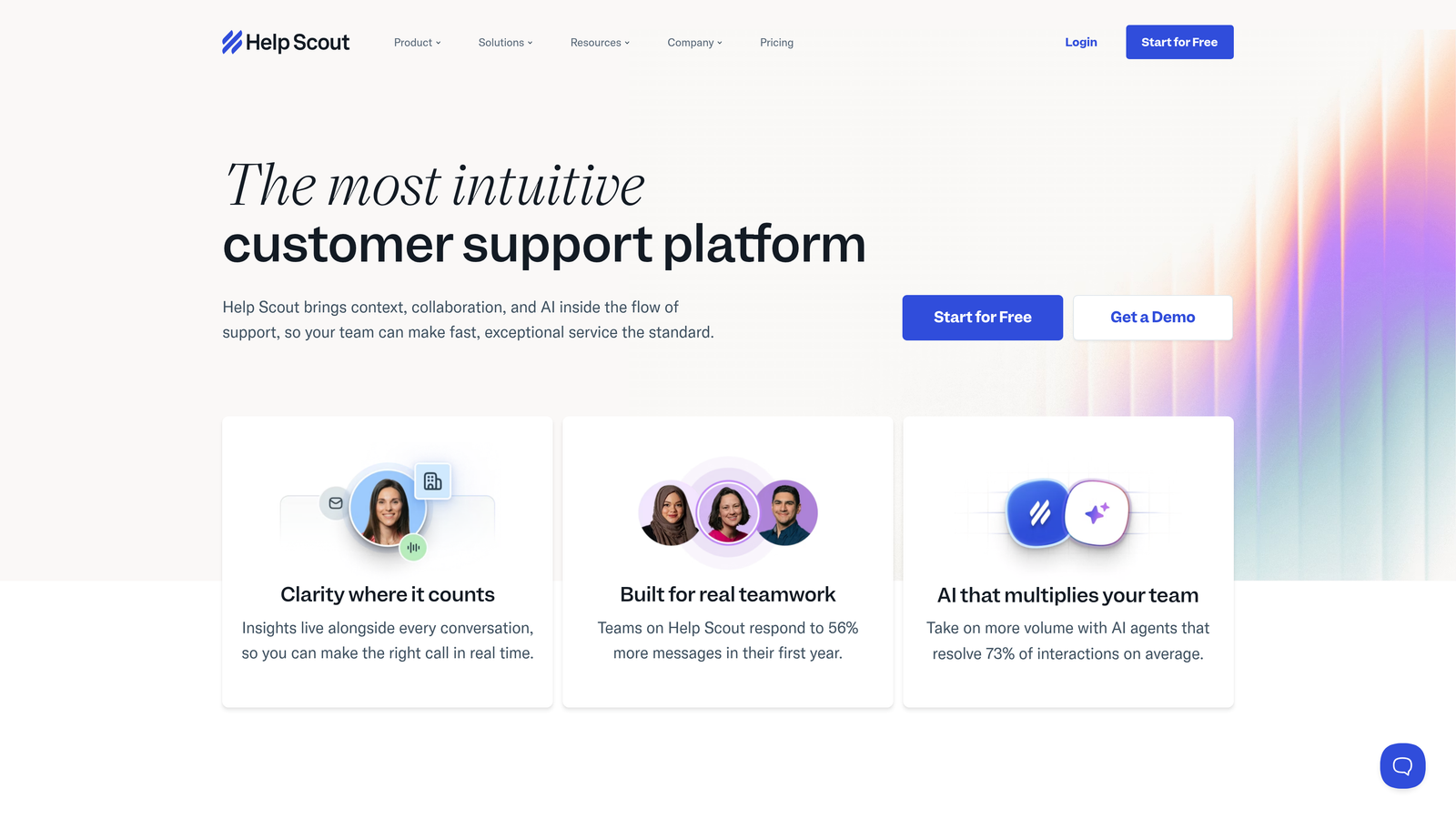
Help Scout is a human-centric helpdesk with AI features designed to enhance rather than replace personal customer interactions.
Where This Tool Shines
Help Scout takes a different philosophical approach: AI should make agents better, not replace them. The AI Drafts feature suggests responses but keeps humans firmly in control. This resonates with brands where personal touch matters—think premium products, consultative sales, or communities where customers expect individual attention.
The interface is refreshingly clean and distraction-free. No overwhelming dashboards or feature bloat—just the tools support teams actually use daily. Collision detection prevents multiple agents from duplicating work, while shared inbox workflows keep everyone coordinated without complexity.
Key Features
AI Drafts: Suggests response drafts for agents to edit and personalize rather than sending automated replies directly.
Beacon Chat Widget: Embeddable widget that integrates help docs, contact forms, and live chat in one interface.
Collision Detection: Prevents multiple agents from working on the same conversation simultaneously.
Customer Satisfaction Ratings: Built-in CSAT surveys with detailed reporting on team and individual performance.
Clean Agent Interface: Distraction-free workspace focused on conversations rather than overwhelming feature sets.
Best For
Small to mid-size teams where brand voice and personal relationships define the customer experience. Particularly suited to companies selling premium products or services where automation might feel impersonal.
Pricing
Standard plan at $20 per user per month; Plus plan at $40 per user per month with advanced features.
6. Gorgias
Best for: E-commerce brands needing deep Shopify, BigCommerce, and Magento integrations for order-related automation.
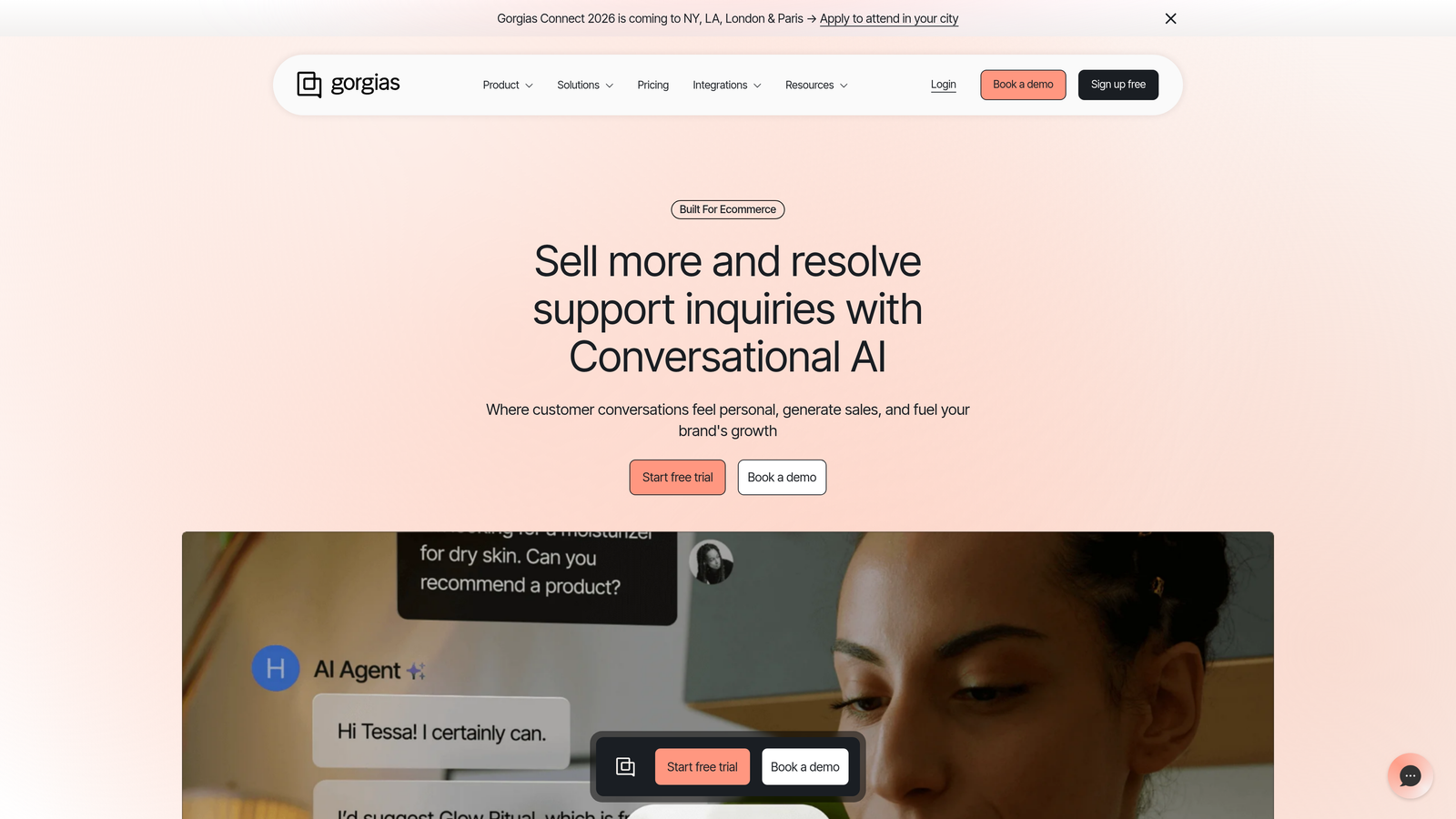
Gorgias is an e-commerce-focused helpdesk with native integrations for order management, refunds, and shipping automation.
Where This Tool Shines
Gorgias understands that e-commerce support revolves around orders. Agents can process refunds, cancel orders, update shipping addresses, and check tracking—all without leaving the ticket. This eliminates the constant tab-switching to Shopify admin that slows down other helpdesks.
Revenue statistics tied to support conversations reveal which support interactions lead to purchases. Macros with dynamic order and customer variables let you automate responses that include specific order details, tracking numbers, or personalized product recommendations. For high-volume e-commerce brands, this specialization delivers faster resolution than general-purpose helpdesks.
Key Features
One-Click Order Actions: Process refunds, cancellations, exchanges, and tracking updates directly from support tickets.
Revenue Statistics: Track which support conversations lead to purchases and measure support team's impact on sales.
Dynamic Macros: Create automated responses that pull in specific order details, customer information, and product data.
Social Media and SMS Support: Manage Facebook, Instagram, SMS, and messaging app conversations alongside email and chat.
Intent Detection: Automatically tag and categorize tickets based on customer intent for faster routing and reporting.
Best For
E-commerce brands on Shopify, BigCommerce, or Magento platforms handling high ticket volumes related to orders, shipping, and returns. The specialization pays off for stores doing significant volume.
Pricing
Starter plan at $10 per month for 50 tickets; pricing scales by ticket volume rather than agent count.
7. Kustomer
Best for: High-volume consumer brands needing unified customer timeline view across all touchpoints.
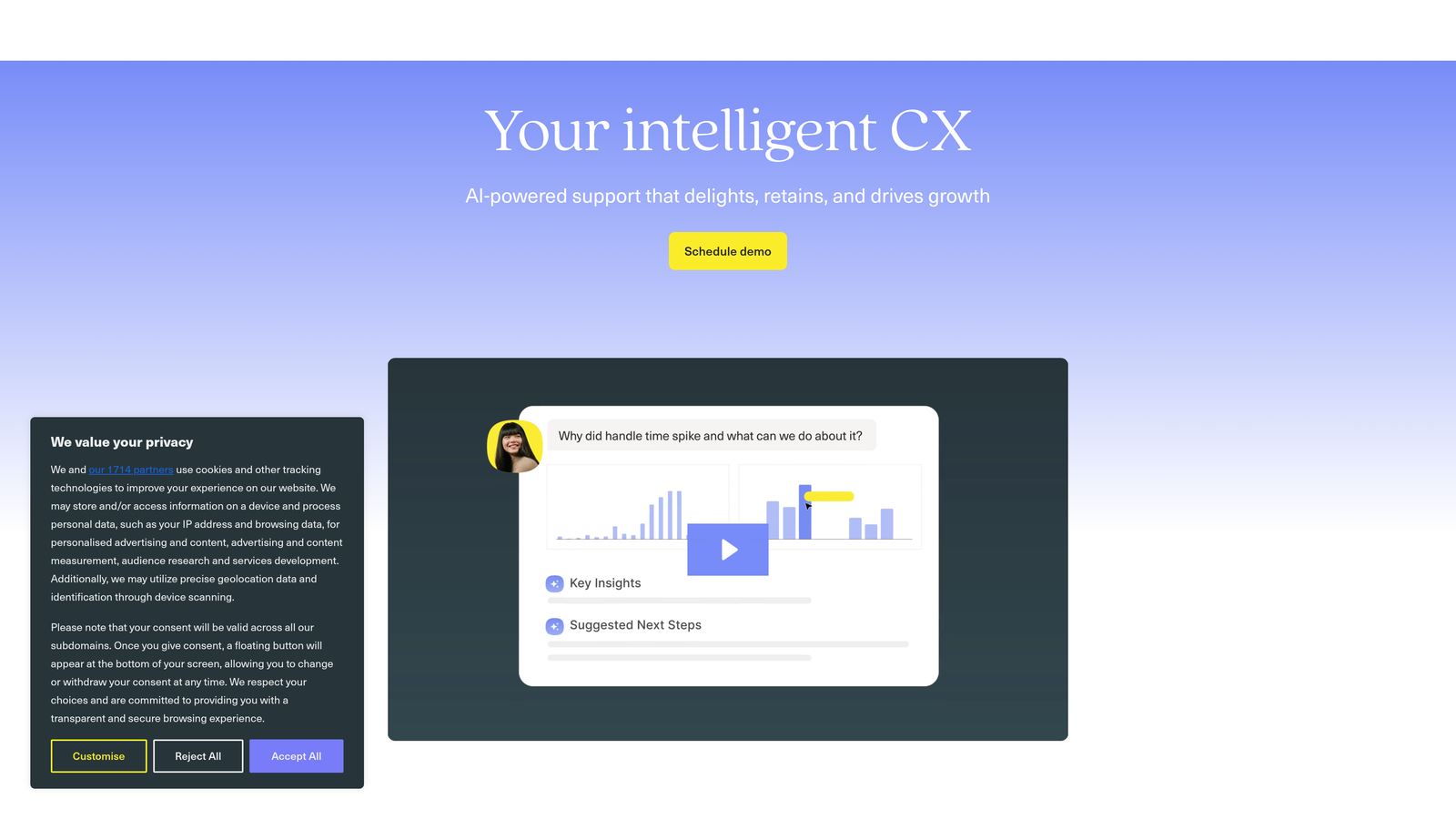
Kustomer is a CRM-style support platform offering a single customer timeline across all channels for enterprise consumer brands.
Where This Tool Shines
Kustomer's single customer timeline approach fundamentally differs from traditional ticket-based systems. Instead of seeing isolated tickets, agents view the complete customer journey—purchases, support history, website activity, email engagement—in one unified interface. This context enables more personalized, efficient support.
The custom objects feature allows flexible data modeling beyond standard ticket fields. Companies can track subscriptions, loyalty points, device information, or any custom data structure their business requires. For complex consumer brands with multiple product lines or subscription models, this flexibility proves essential.
Key Features
Single Customer Timeline: Unified view of all customer interactions across channels, purchases, and product usage.
KIQ AI Assistant: AI-powered chatbots with natural language understanding and automated conversation routing.
Omnichannel Routing: Skills-based assignment routes conversations to agents with relevant expertise across all channels.
Custom Objects: Flexible data modeling to track business-specific information beyond standard support fields.
Business Process Automation: Create complex workflows that trigger actions across multiple systems based on customer events.
Best For
Enterprise consumer brands with complex customer journeys spanning multiple channels and touchpoints. Particularly valuable for subscription businesses, multi-brand retailers, or companies with intricate product ecosystems.
Pricing
Enterprise pricing model; contact Kustomer for custom quotes based on volume and requirements.
8. Tidio
Best for: Small businesses wanting quick automation setup without technical complexity or significant investment.
Tidio is an accessible live chat and chatbot platform designed for small businesses testing automation waters.
Where This Tool Shines
Tidio removes the intimidation factor from chatbot creation. The visual builder includes pre-built templates for common scenarios—order tracking, FAQ responses, lead qualification—that work immediately. Small teams can deploy functional automation in hours rather than weeks.
The free tier provides genuine value, not just a trial period. Small businesses can start with basic live chat and simple bots, then upgrade as they grow. Shopify and WordPress plugins make installation straightforward for non-technical users. Lyro AI handles FAQ responses automatically, learning from your website content without manual training.
Key Features
Visual Chatbot Builder: Drag-and-drop interface with pre-built templates for common automation scenarios.
Live Chat with Visitor Tracking: See who's browsing your site and proactively engage based on behavior and page visits.
Lyro AI: Automated FAQ responses that learn from your website content without manual conversation design.
Email Marketing Integration: Capture leads through chat and sync to email campaigns automatically.
Platform Plugins: One-click installation for Shopify, WordPress, and other popular platforms.
Best For
Small businesses, solopreneurs, and startups wanting to add chat and basic automation without technical resources or large budgets. Works particularly well for simple product catalogs or service businesses.
Pricing
Free tier available with basic features; paid plans start at $29 per month with expanded automation and agent seats.
9. Ada
Best for: Enterprise-scale automated resolution across multiple languages and channels with compliance requirements.
Ada is an enterprise conversational AI platform focused on autonomous resolution at scale with global reach.
Where This Tool Shines
Ada's no-code conversation builder empowers non-technical teams to design and deploy sophisticated AI interactions. Unlike platforms requiring developer resources for every change, business users can create complex conversation flows, train the AI, and optimize performance independently.
Multi-language support spanning 50+ languages makes Ada ideal for global enterprises. The AI maintains conversation quality across languages without requiring separate training for each. Enterprise security certifications and compliance features address requirements that eliminate many competitors from consideration for regulated industries.
Key Features
No-Code Conversation Builder: Design complex AI conversations without developer resources through visual interface.
Multi-Language Support: Handle conversations in 50+ languages with consistent quality and accuracy.
Automated Resolution Tracking: Detailed analytics on resolution rates, conversation paths, and optimization opportunities.
API-First Architecture: Extensive APIs enable custom integrations with proprietary systems and data sources.
Enterprise Security Certifications: SOC 2, GDPR, HIPAA, and other compliance certifications for regulated industries.
Best For
Global enterprises needing automated support at scale across multiple languages and regions. Particularly suited to companies in regulated industries requiring specific compliance certifications.
Pricing
Enterprise pricing model; contact Ada for custom quotes based on conversation volume and requirements.
Making the Right Choice
The helpdesk automation landscape has evolved dramatically. We've moved beyond simple chatbots that frustrate customers to AI agents that genuinely resolve issues autonomously.
Choose Halo AI if you want autonomous resolution that learns continuously and connects to your entire business stack—not just handling support tickets but surfacing business intelligence and customer health signals. The page-aware context and auto bug ticket creation stand out for product-focused teams.
Go with Zendesk AI or Freshdesk Freddy if you're already invested in those ecosystems and want to add AI capabilities without platform migration. Zendesk serves enterprise complexity; Freshdesk offers mid-market affordability.
Pick Intercom Fin for conversational, messenger-first support where proactive engagement matters as much as reactive ticket resolution. The combination of AI chatbot and human handoff works well for SaaS onboarding scenarios.
Select Gorgias for e-commerce-specific automation. The deep Shopify integration and order management features deliver value that general-purpose helpdesks can't match for high-volume online retailers.
Consider Help Scout if human-centric support defines your brand. The AI augments agents rather than replacing them, maintaining personal touch while improving efficiency.
Ada and Kustomer serve enterprise needs with different strengths. Ada excels at pure automation scale across global markets and languages. Kustomer provides omnichannel CRM-style support with unified customer timelines for complex consumer brands.
Tidio works well for small businesses testing automation waters without significant investment or technical resources.
The right choice depends on your current stack, team size, and how much autonomy you want AI to have. The market has shifted toward AI-first solutions that learn continuously rather than static rule-based automation. Integration depth matters more than feature count—the best platform connects seamlessly to your existing tools rather than forcing you to rebuild workflows.
Your support team shouldn't scale linearly with your customer base. Let AI agents handle routine tickets, guide users through your product, and surface business intelligence while your team focuses on complex issues that need a human touch. See Halo in action and discover how continuous learning transforms every interaction into smarter, faster support.