9 Best Intelligent Support Routing Platforms in 2026
Intelligent support routing platforms automatically direct customer inquiries to the right agent or team based on context, urgency, and expertise—eliminating long wait times and misrouted tickets. This guide evaluates nine leading platforms in 2026, comparing AI-native solutions and enterprise helpdesk systems on routing intelligence, integration capabilities, scalability, and performance for B2B support teams.
 Grant CooperFounder12 min read
When support tickets pile up and customers wait in queues meant for different teams, resolution times suffer and frustration builds on both sides. Intelligent support routing platforms solve this by automatically directing inquiries to the right agent, team, or AI system based on context, urgency, and expertise. The best platforms go beyond simple keyword matching—they understand intent, assess complexity, and learn from outcomes to continuously improve routing accuracy.
This guide covers nine platforms that excel at intelligent routing, from AI-native solutions to enterprise helpdesk systems with advanced routing capabilities. We evaluated each based on routing intelligence, integration depth, scalability, and real-world performance for B2B support teams.
1. Halo AI
Best for: B2B teams wanting AI-native routing that learns from every interaction
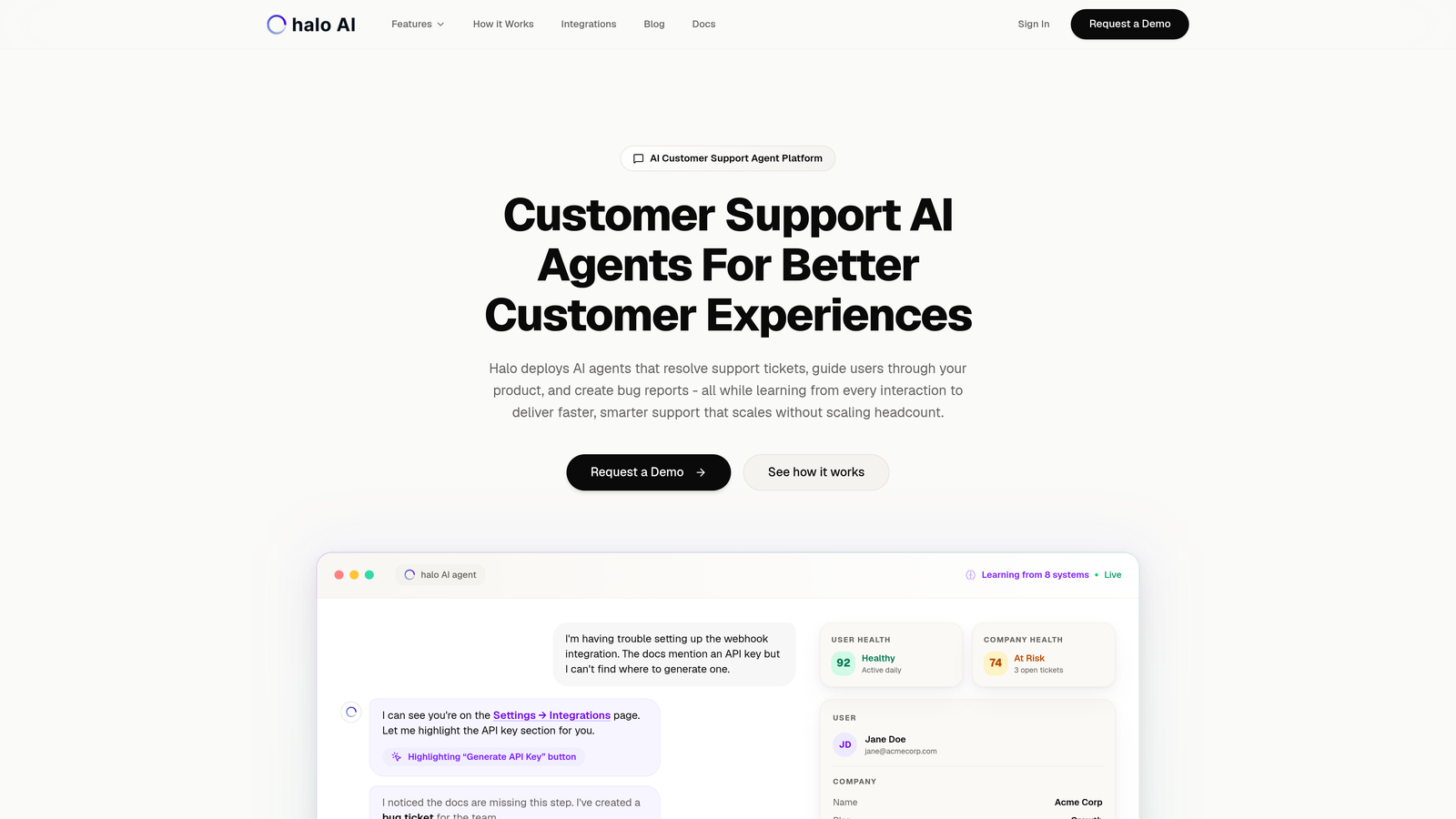
Halo AI is an AI-powered customer support platform built with intelligent routing as a core architectural principle rather than a bolted-on feature.
Where This Tool Shines
Halo's routing intelligence comes from its continuous learning model. Every ticket resolution, escalation, and customer interaction feeds back into the system, making routing decisions progressively smarter. The platform doesn't just match keywords—it understands the full context of what users see on your product pages and makes routing decisions accordingly.
The page-aware context means routing decisions factor in where customers are in your product, what they're trying to accomplish, and what visual elements they're interacting with. This contextual awareness leads to more accurate initial routing and fewer transfers between teams.
Key Features
AI Agents with Autonomous Resolution: Handles routine tickets independently, escalating to humans only when complexity requires it, reducing the volume that needs manual routing.
Page-Aware Context: Sees what users see in your product, enabling routing based on actual user context rather than just ticket text.
Continuous Learning: Improves routing accuracy over time by analyzing resolution patterns, successful escalations, and customer outcomes.
Smart Inbox with Business Intelligence: Surfaces patterns and insights that help refine routing rules based on actual support data.
Live Agent Handoff: Seamlessly transfers complex issues to human agents with full context, ensuring smooth transitions when escalation is needed.
Best For
B2B SaaS companies and product teams that want routing intelligence to improve automatically without constant manual rule adjustments. Particularly valuable for teams using helpdesk systems like Zendesk, Freshdesk, or Intercom who want AI-first routing capabilities.
Pricing
Contact for pricing. The platform focuses on teams ready to invest in AI-native support infrastructure.
2. Zendesk
Best for: Enterprise teams needing sophisticated skill-based routing at scale
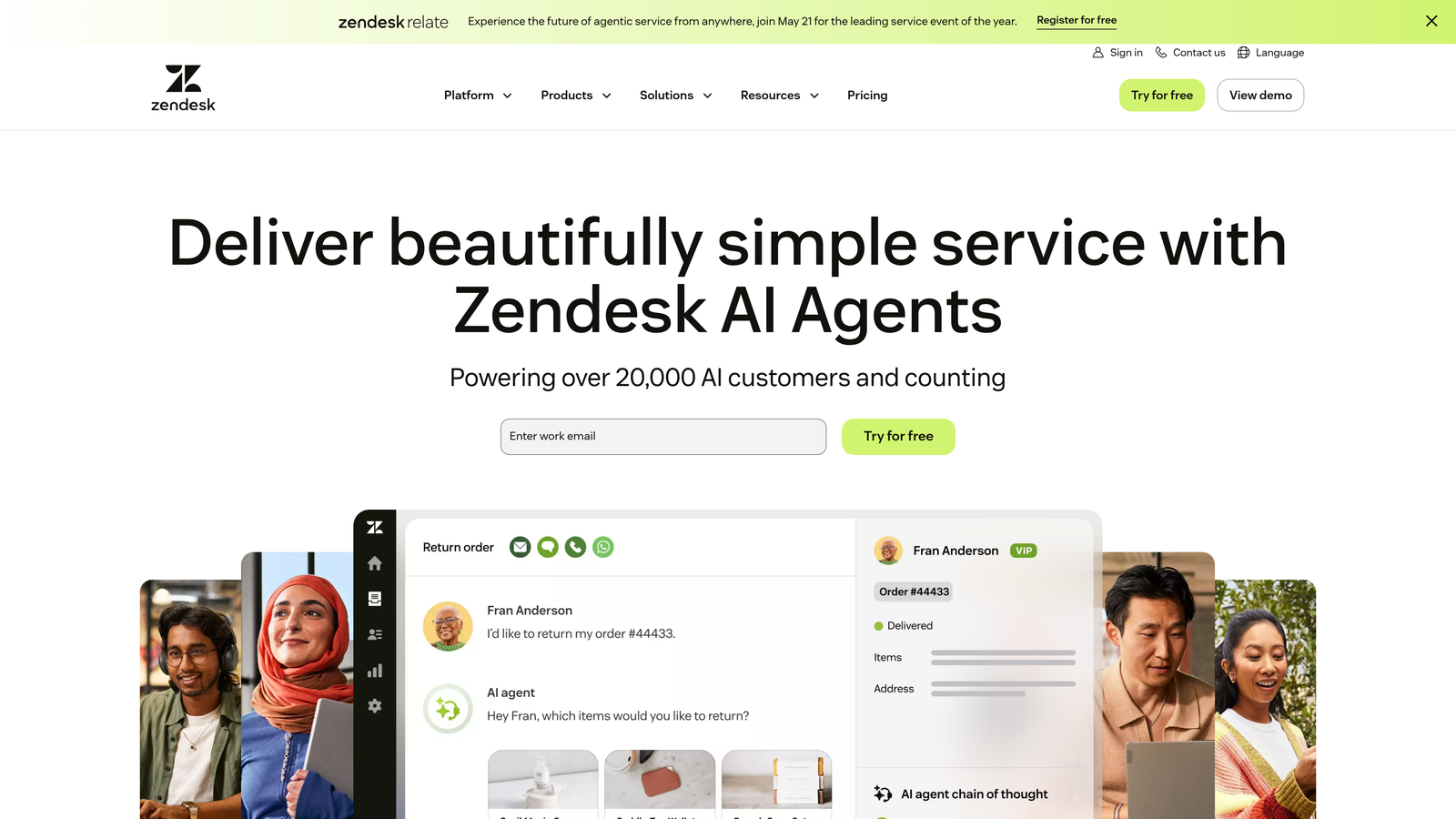
Zendesk is an established enterprise helpdesk platform with comprehensive routing capabilities across channels and team structures.
Where This Tool Shines
Zendesk excels at handling complex organizational structures with multiple skill sets, departments, and support tiers. The platform's skill-based routing matches tickets to agents based on expertise tags, language capabilities, product knowledge, and historical performance. For large teams with specialized roles, this granular matching prevents misrouting.
The omnichannel routing ensures customers get consistent experiences whether they contact you via email, chat, phone, or social media. All channels feed into unified routing logic, preventing the fragmentation that happens when each channel operates independently.
Key Features
Skill-Based Routing: Matches tickets to agents based on expertise tags, certifications, and performance history for optimal assignment.
Omnichannel Routing: Unified routing logic across email, chat, phone, social media, and messaging apps.
Capacity-Based Assignment: Considers agent workload and availability to prevent overloading individuals while others sit idle.
Triggers and Automations: Extensive rule builder for creating conditional routing logic based on ticket properties, customer data, and business hours.
Advanced Analytics: Detailed reporting on routing performance, first-contact resolution rates, and assignment efficiency to optimize rules over time.
Best For
Enterprise organizations with 50+ support agents, complex skill requirements, and omnichannel support needs. Companies that need granular control over routing rules and have dedicated support operations teams to manage them.
Pricing
Starts at $55/agent/month for Suite Team. Enterprise plans with advanced routing features require custom pricing.
3. Freshdesk
Best for: Mid-market teams wanting AI-powered intent detection with flexible assignment
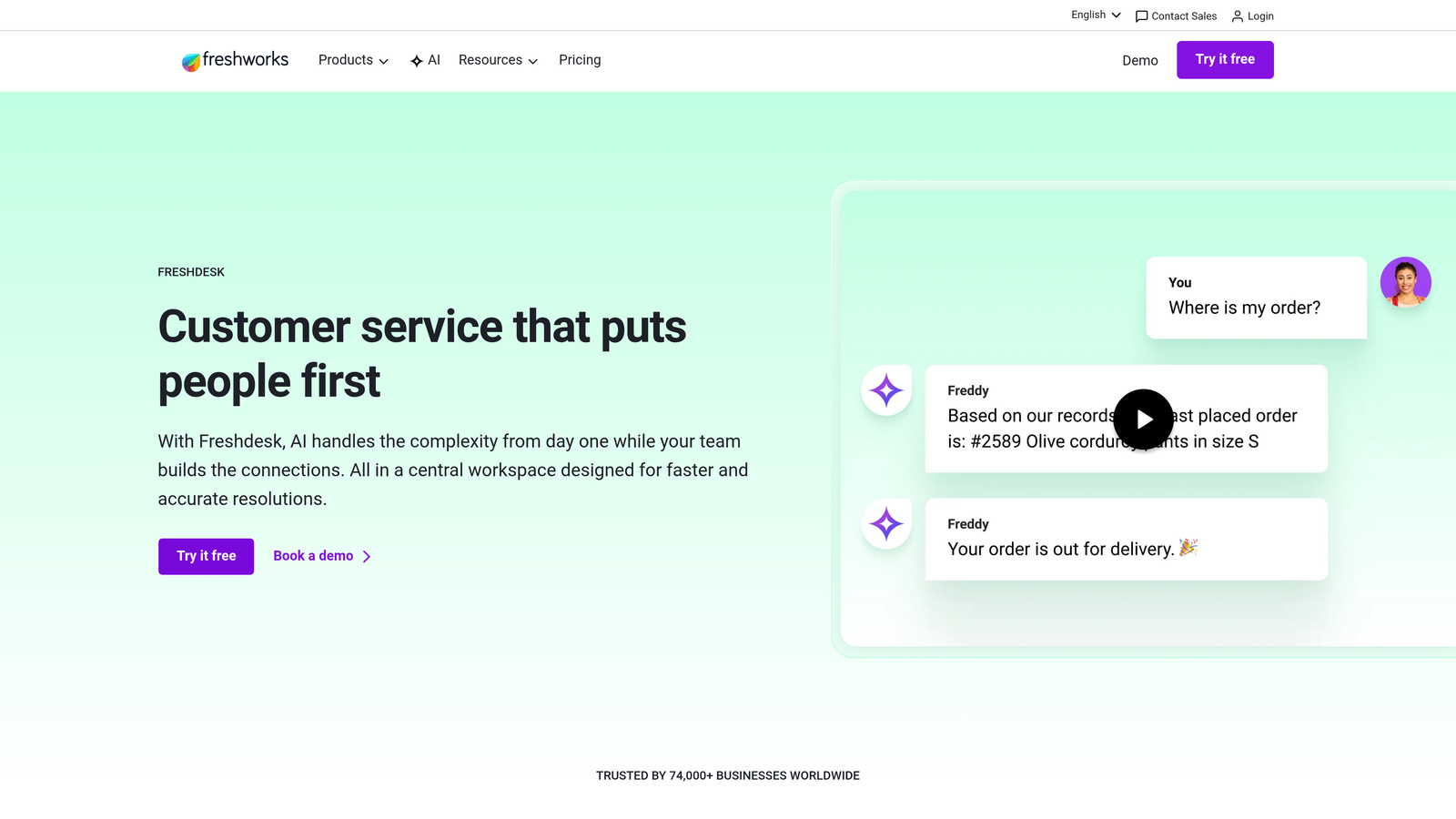
Freshdesk is a mid-market helpdesk platform featuring Freddy AI for intelligent categorization and multiple routing options.
Where This Tool Shines
Freshdesk's Freddy AI analyzes incoming tickets to detect intent and automatically categorize them before routing. This pre-routing intelligence means tickets arrive at the right team already tagged and prioritized, reducing manual triage work. The AI learns from your team's categorization patterns to improve accuracy.
The platform offers flexibility between round-robin distribution for balanced workloads and skill-based routing for specialized expertise. Teams can mix approaches—using round-robin for general inquiries while routing technical issues to certified agents.
Key Features
Freddy AI Intent Detection: Analyzes ticket content to identify issue type, urgency, and appropriate team before routing occurs.
Round-Robin and Load-Balanced Assignment: Distributes tickets evenly across available agents or balances based on current workload.
Skill-Based Routing: Routes specialized tickets to agents with matching expertise tags and certifications.
SLA-Based Priority Routing: Automatically escalates tickets approaching SLA deadlines to available agents for immediate attention.
Team Inbox with Collision Detection: Prevents multiple agents from working the same ticket simultaneously, reducing duplicated effort.
Best For
Growing B2B companies with 10-50 support agents who want AI assistance without enterprise complexity. Teams that need reliable routing but don't have dedicated support operations staff to manage intricate rule sets.
Pricing
Free tier available for basic routing. Pro plan starts at $49/agent/month with advanced routing features.
4. Intercom
Best for: Product-led SaaS companies wanting conversational AI triage and workflow routing
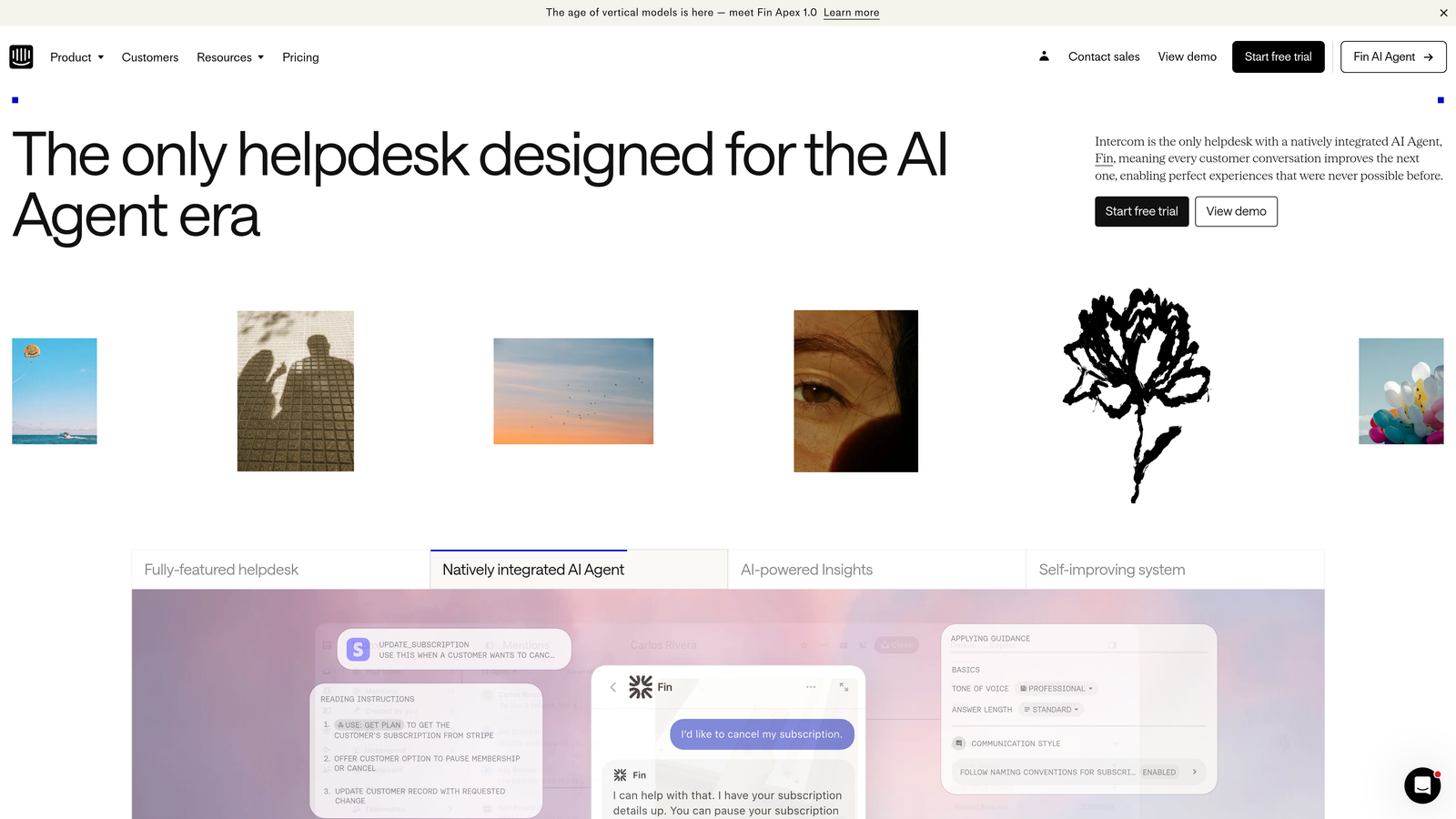
Intercom is a conversational support platform that uses Fin AI for initial triage and visual workflow builders for routing logic.
Where This Tool Shines
Intercom's Fin AI handles the first layer of routing by attempting to resolve common questions automatically. When human help is needed, the platform routes based on conversation topics, customer data, and workflow rules. This two-tier approach significantly reduces the volume that needs manual routing.
The visual workflow builder makes it easy to create complex routing logic without technical expertise. Teams can build decision trees based on customer properties, conversation attributes, and business rules—then see exactly how tickets will flow before activating the workflow.
Key Features
Fin AI Triage and Resolution: Attempts to resolve inquiries automatically before routing to humans, reducing manual routing volume by handling common questions.
Workflow-Based Routing: Visual builder for creating conditional routing logic based on customer data, conversation properties, and business rules.
Customer Data Context: Routes based on customer lifecycle stage, product usage, subscription tier, and historical interaction patterns.
Team Inbox with Assignment Rules: Automatic assignment based on team availability, expertise, and current workload.
Conversation Topics: Automatically categorizes conversations into topics, enabling routing based on issue type rather than just keywords.
Best For
Product-led B2B SaaS companies that want to blend AI resolution with human routing. Teams that prefer visual workflow builders over code-based rule configuration.
Pricing
Starts at $39/seat/month for basic features. Fin AI is priced separately per resolution, typically adding significant cost for high-volume teams.
5. Salesforce Service Cloud
Best for: Enterprise teams needing CRM-integrated routing with deep customer context
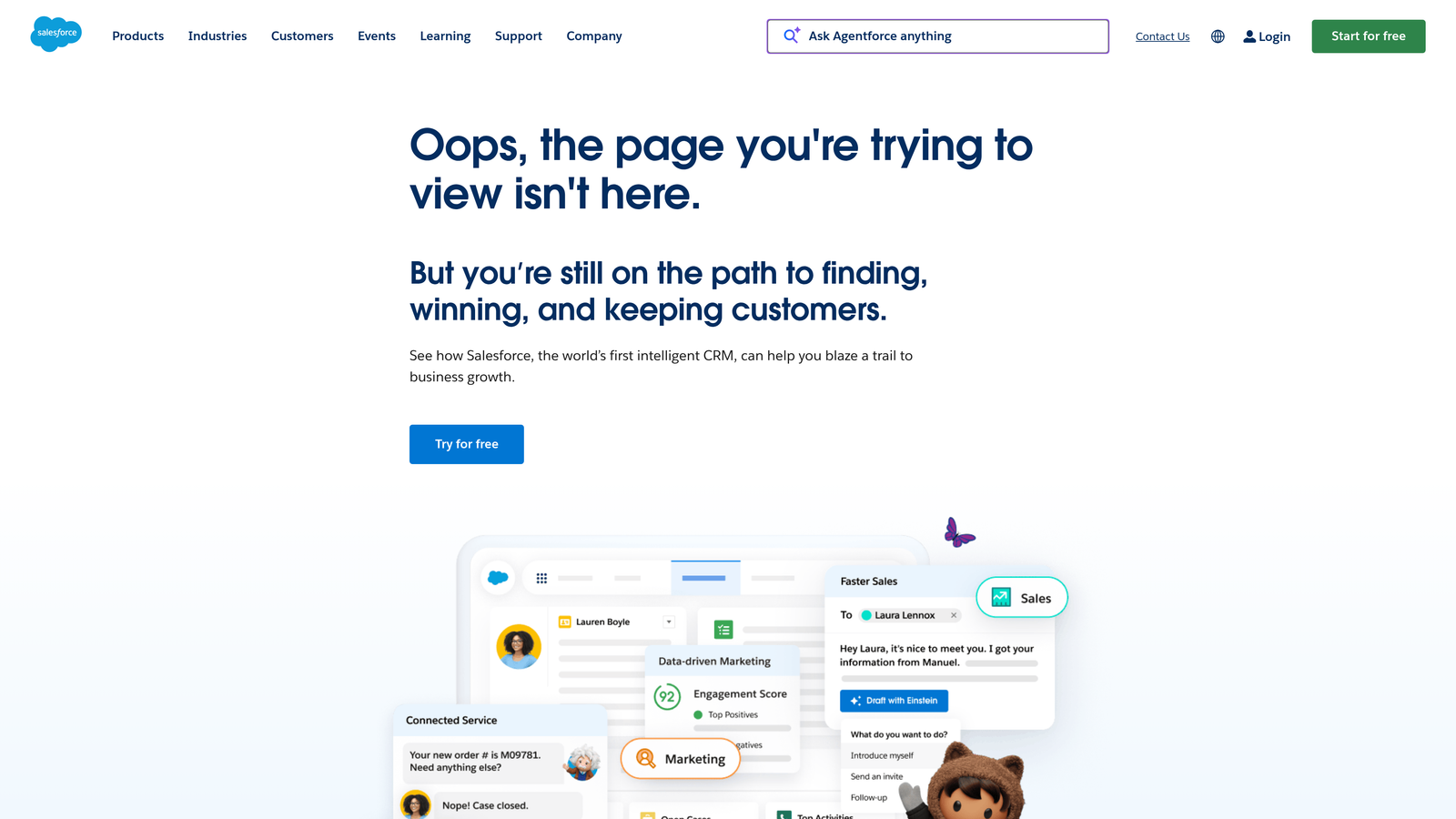
Salesforce Service Cloud is an enterprise service platform that leverages Einstein AI and CRM data for context-rich routing decisions.
Where This Tool Shines
Service Cloud's routing intelligence comes from its deep integration with Salesforce CRM data. Routing decisions can factor in account value, renewal dates, expansion opportunities, support contract tier, and relationship history. This means high-value accounts automatically route to senior agents, while customers approaching renewal get extra attention.
The Omni-Channel Routing system manages agent presence across channels, considering skills, capacity, and priority simultaneously. When a critical case arrives, the system can interrupt lower-priority work to ensure immediate attention from the best-qualified available agent.
Key Features
Einstein AI Case Classification: Analyzes case content and customer data to predict issue type, complexity, and optimal routing path.
Omni-Channel Routing with Presence: Routes across channels while respecting agent availability, status, and capacity limits in real-time.
Skills-Based and Queue-Based Options: Flexible routing to individual agents by skill or to team queues for collaborative handling.
CRM Data Integration: Routes based on account value, support tier, renewal status, and complete customer relationship history.
Capacity and Availability-Based Assignment: Considers current workload, agent status, and configured capacity limits to prevent overload.
Best For
Enterprise B2B companies already using Salesforce CRM who want support routing integrated with sales and account data. Organizations where account value should influence routing priority and agent assignment.
Pricing
Starts at $25/user/month for Essentials with basic routing. Professional and Enterprise plans with advanced routing features range from $75-$150/user/month.
6. Kustomer
Best for: E-commerce and subscription teams wanting customer timeline context for routing
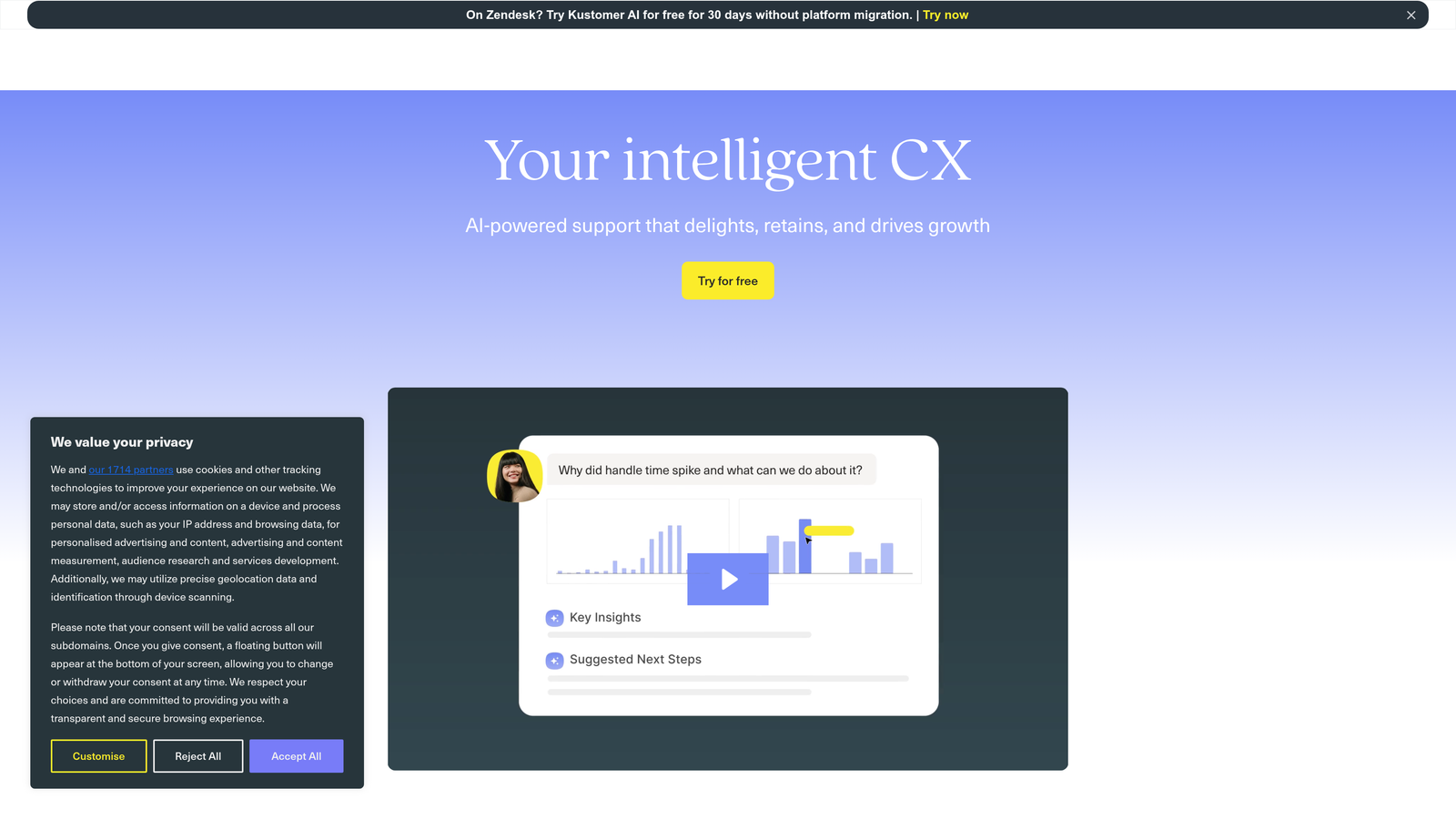
Kustomer is a customer service CRM that uses timeline-based customer views and queue management for context-aware routing.
Where This Tool Shines
Kustomer presents complete customer timelines showing purchase history, previous tickets, subscription status, and all interactions in one view. Routing decisions can leverage this timeline data—for example, routing customers with recent high-value purchases to priority queues or directing repeat issues to specialized escalation teams.
The sentiment detection capability analyzes incoming messages for frustration indicators, automatically prioritizing upset customers for faster response. This emotional intelligence layer prevents situations where angry customers wait in standard queues while their frustration escalates.
Key Features
Customer Timeline for Context: Routes based on complete interaction history, purchase patterns, and subscription status visible in unified timeline.
Queue Management with Priority Rules: Configurable queues with priority scoring based on customer value, issue urgency, and SLA requirements.
SLA-Based Routing and Escalation: Automatically escalates tickets approaching SLA deadlines to available agents or priority queues.
Business Rules Engine: Create conditional routing logic based on customer attributes, conversation properties, and business events.
Sentiment Detection: Analyzes message tone to identify frustrated customers and route them to priority queues or experienced agents.
Best For
E-commerce companies and subscription businesses where purchase history and customer lifetime value should influence routing decisions. Teams that need sentiment-aware routing to catch escalating situations early.
Pricing
Starts at $89/user/month. Enterprise pricing available for larger teams with advanced routing needs.
7. Gorgias
Best for: E-commerce teams wanting revenue-aware routing with Shopify integration
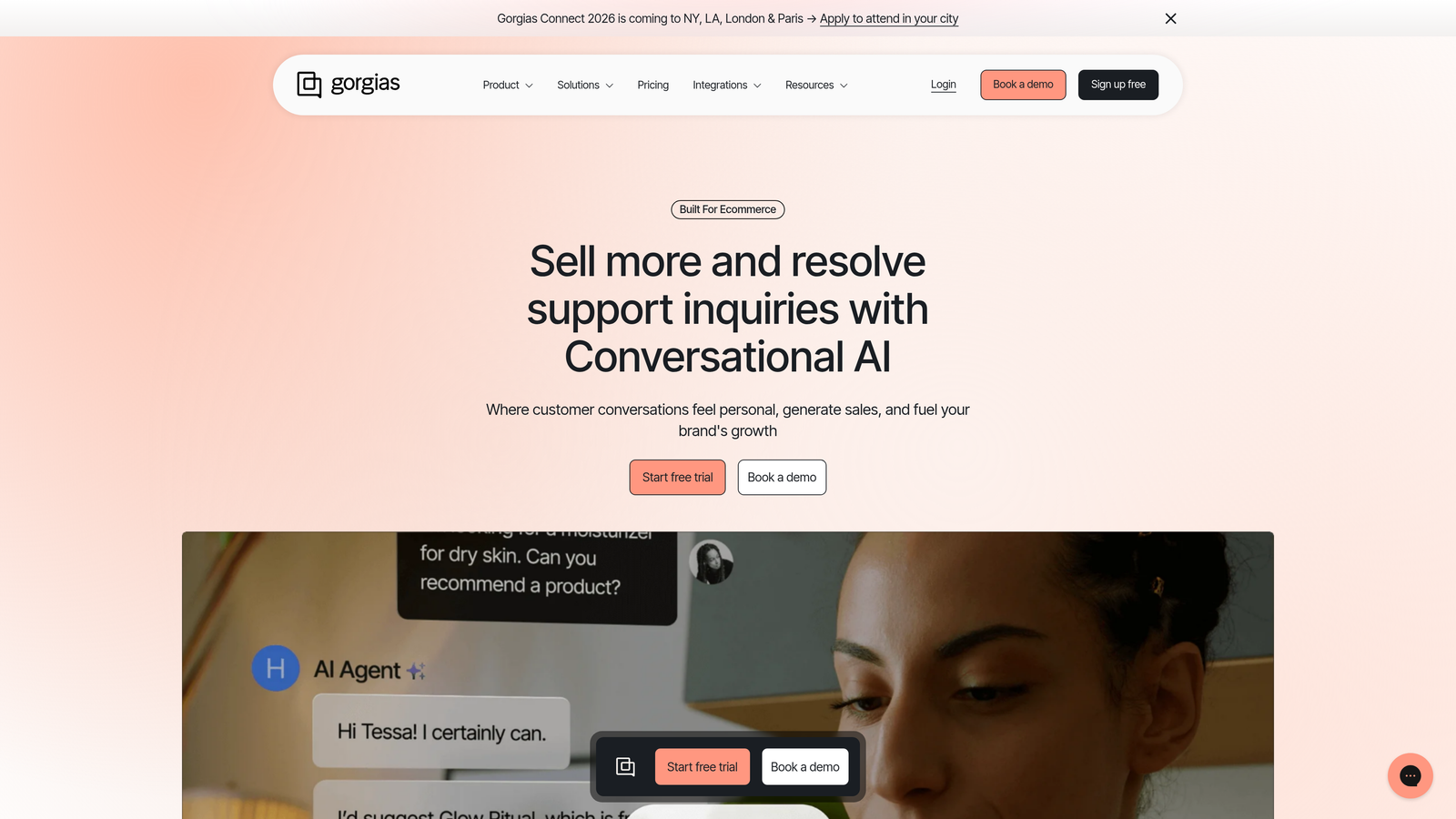
Gorgias is an e-commerce helpdesk built specifically for online retail with revenue-based prioritization and platform integrations.
Where This Tool Shines
Gorgias routes tickets based on customer lifetime value and order history pulled directly from Shopify, Magento, and other e-commerce platforms. High-value customers automatically route to priority queues, while first-time buyers might go to general support. This revenue-aware routing ensures your most valuable customers get faster, more experienced attention.
The intent detection analyzes incoming messages to identify common e-commerce patterns—order tracking, returns, product questions—and routes accordingly. Many routine inquiries get resolved by macros before ever reaching an agent, reducing the volume requiring manual routing.
Key Features
Revenue-Based Prioritization: Routes high-value customers to priority queues based on lifetime value, recent order size, and purchase frequency.
E-Commerce Platform Integration: Pulls order data, subscription status, and purchase history from Shopify, Magento, BigCommerce for routing context.
Rules-Based Auto-Assignment: Create routing rules based on order status, product category, return requests, and customer segments.
Intent Detection: Identifies common e-commerce inquiry types (tracking, returns, product questions) for appropriate routing or automation.
Macro Automation: Resolves common inquiries automatically before routing, reducing volume that needs agent assignment.
Best For
E-commerce businesses using Shopify or similar platforms where customer value and order context should drive routing decisions. Teams that want to prioritize high-value customers without manual tagging.
Pricing
Starts at $10/month for 50 tickets. Scales to $750/month for 6,000 tickets with advanced routing features.
8. Help Scout
Best for: Small to mid-sized teams wanting straightforward workflow-based routing
Help Scout is a simple, effective helpdesk platform with workflow automation for teams that value ease of use over complexity.
Where This Tool Shines
Help Scout's workflow builder makes routing accessible without overwhelming users with options. Teams can create "if-this-then-that" rules that automatically assign tickets based on subject keywords, customer tags, or mailbox. The simplicity means new team members can understand and modify routing logic without extensive training.
The collision detection prevents the common problem of multiple agents responding to the same ticket. When someone starts working on a conversation, others see a clear indicator, reducing duplicated effort and confused customers receiving multiple responses.
Key Features
Workflows for Automated Assignment: Simple conditional logic for routing based on mailbox, subject, tags, and customer properties.
Round-Robin Distribution: Evenly distributes incoming tickets across available team members to balance workload.
Collision Detection: Shows when teammates are viewing or replying to conversations, preventing duplicate responses.
Tags and Custom Fields: Create routing logic based on custom categorization and customer attributes.
Saved Replies with Collaboration: Team-wide saved replies reduce need for specialized routing by enabling any agent to handle common issues.
Best For
Small to mid-sized B2B teams (5-25 agents) that want reliable routing without complexity. Companies that prioritize ease of use and quick setup over advanced AI capabilities.
Pricing
Starts at $20/user/month with full routing features included. No separate tiers for advanced routing capabilities.
9. Front
Best for: Multi-department teams needing shared inbox routing across functions
Front is a shared inbox platform designed for collaborative routing across support, sales, and other departments.
Where This Tool Shines
Front excels when support inquiries need to flow between departments—support to sales for upgrade questions, support to engineering for bug reports, support to success for onboarding help. The rules engine routes messages to appropriate inboxes while maintaining conversation context, so handoffs feel seamless rather than like starting over.
The load balancing ensures no team member gets overwhelmed while others have capacity. Front tracks assignment counts and response times, automatically routing new conversations to whoever has bandwidth. This prevents the common problem where a few responsive agents accumulate all the work.
Key Features
Rules Engine for Multi-Channel Routing: Route email, SMS, social media, and chat messages based on content, sender, and team availability.
Load Balancing Across Members: Distributes conversations to prevent overloading individuals while maintaining quality standards.
Assignment and Ownership Management: Clear ownership tracking with easy reassignment when conversations need different expertise.
SLA Tracking with Escalation: Monitors response times and automatically escalates approaching-deadline conversations to available team members.
Team Collaboration on Conversations: Internal comments and mentions enable collaborative handling without confusing external routing.
Best For
B2B companies where customer inquiries span multiple departments (support, sales, success, product). Teams that need shared visibility into conversations regardless of who's assigned.
Pricing
Starts at $19/seat/month for basic features. Growth plan at $59/seat/month includes advanced routing and automation.
Making the Right Choice
Choosing the right intelligent routing platform depends on your team size, channel mix, and how deeply you want AI involved in ticket handling. For teams ready to embrace AI-native support with routing intelligence baked into every interaction, Halo AI offers continuous learning that gets smarter with each resolved ticket. The platform's page-aware context and autonomous AI agents reduce the volume requiring manual routing while improving accuracy for tickets that do need human assignment.
Enterprise teams with complex skill-based needs often find Zendesk or Salesforce Service Cloud match their scale. These platforms handle intricate organizational structures, multiple support tiers, and omnichannel routing across large agent pools. The trade-off is complexity—you'll need dedicated support operations staff to configure and maintain routing rules.
Product-led SaaS companies frequently gravitate toward Intercom's conversational approach, where Fin AI handles initial triage before routing to humans. The visual workflow builder makes routing logic accessible to non-technical team members. E-commerce operations benefit from Gorgias or Kustomer's order-aware routing, which prioritizes high-value customers and integrates purchase data into routing decisions.
Smaller teams can start with Help Scout or Front for straightforward, reliable routing without overwhelming complexity. These platforms offer essential routing capabilities—round-robin distribution, basic rules, collision detection—without the learning curve of enterprise systems.
The best next step? Identify your highest-volume ticket types and evaluate how each platform would route them. That practical test reveals more than any feature comparison. Consider whether you want AI to learn and improve routing over time, or if you prefer explicit rules you control. Think about integration needs—does routing require data from your CRM, e-commerce platform, or product analytics? And be honest about your team's capacity to configure and maintain routing logic versus wanting a system that optimizes itself.
Your support team shouldn't scale linearly with your customer base. Let AI agents handle routine tickets, guide users through your product, and surface business intelligence while your team focuses on complex issues that need a human touch. See Halo in action and discover how continuous learning transforms every interaction into smarter, faster support.