9 Best Proactive Customer Support Tools in 2026
Proactive customer support tools help teams anticipate customer needs and prevent issues before they escalate, transforming support from reactive ticket management into strategic problem prevention. This guide evaluates the nine best proactive customer support tools in 2026 based on AI capabilities, integration depth, implementation complexity, and scalability, helping you choose solutions that reduce ticket volume while improving customer satisfaction and support team efficiency.
 Matt PattoliFounder11 min read
The best customer support isn't reactive—it's proactive. Instead of waiting for frustrated customers to submit tickets, modern support teams anticipate needs, prevent issues before they escalate, and guide users toward success without requiring human intervention. This shift from firefighting to fire prevention doesn't just improve customer satisfaction; it fundamentally changes support economics by reducing ticket volume while increasing resolution speed.
The right proactive support tool transforms your team from a cost center into a growth driver. But with options ranging from AI-native platforms to traditional helpdesks adding proactive features, choosing the right solution requires understanding what truly differentiates them: AI sophistication for pattern recognition, integration depth across your tech stack, implementation complexity, and the ability to scale without proportional headcount increases.
We evaluated tools based on their ability to trigger behavior-based outreach, provide in-app guidance, score customer health, and autonomously resolve issues. Here are the top proactive customer support tools helping teams get ahead of problems in 2026.
1. Halo AI
Best for: AI-first teams wanting autonomous support that learns continuously and integrates across business systems
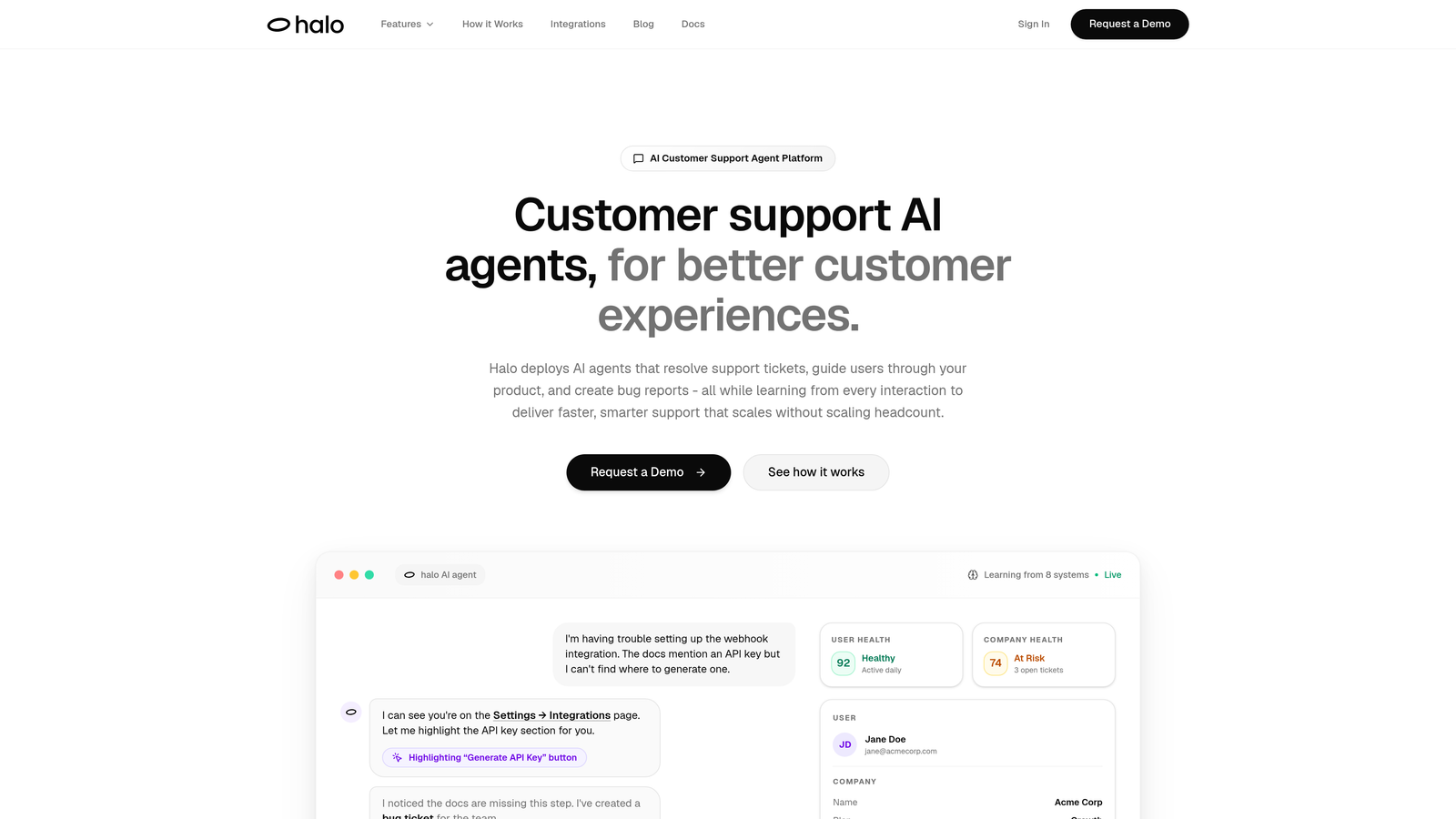
Halo AI is an AI-native customer support platform built from the ground up for proactive support, not retrofitted onto legacy helpdesk architecture.
Where This Tool Shines
What sets Halo apart is its page-aware intelligence. The AI sees exactly what your users see, enabling contextual guidance that feels like having an expert looking over their shoulder. This isn't chatbot guessing—it's visual understanding that transforms how quickly users find solutions.
The continuous learning architecture means every interaction makes the system smarter. Unlike static knowledge bases that require manual updates, Halo's AI agents improve autonomously, identifying patterns across tickets to resolve similar issues faster each time. This creates compound returns on your support investment.
Key Features
Page-Aware Chat Widget: Sees user screens to provide contextual guidance based on actual visual context, not just text descriptions.
Continuous Learning AI: Improves autonomously from every interaction without requiring manual retraining or knowledge base updates.
Auto Bug Ticket Creation: Catches technical issues before users report them, routing to Linear or your dev tools automatically.
Smart Inbox with Business Intelligence: Surfaces customer health signals, revenue intelligence, and anomaly detection beyond basic support metrics.
Multi-System Integration: Connects to Linear, Slack, HubSpot, Intercom, Stripe, Zoom, PandaDoc, and Fathom for comprehensive context.
Best For
B2B SaaS companies and product teams that want support to scale without scaling headcount. Particularly valuable for teams already using helpdesk systems like Zendesk, Freshdesk, or Intercom who need more intelligent automation than traditional platforms offer.
Pricing
Contact for pricing. Enterprise-focused with implementation support.
2. Intercom
Best for: Product-led companies wanting behavior-triggered messaging and in-app onboarding at scale
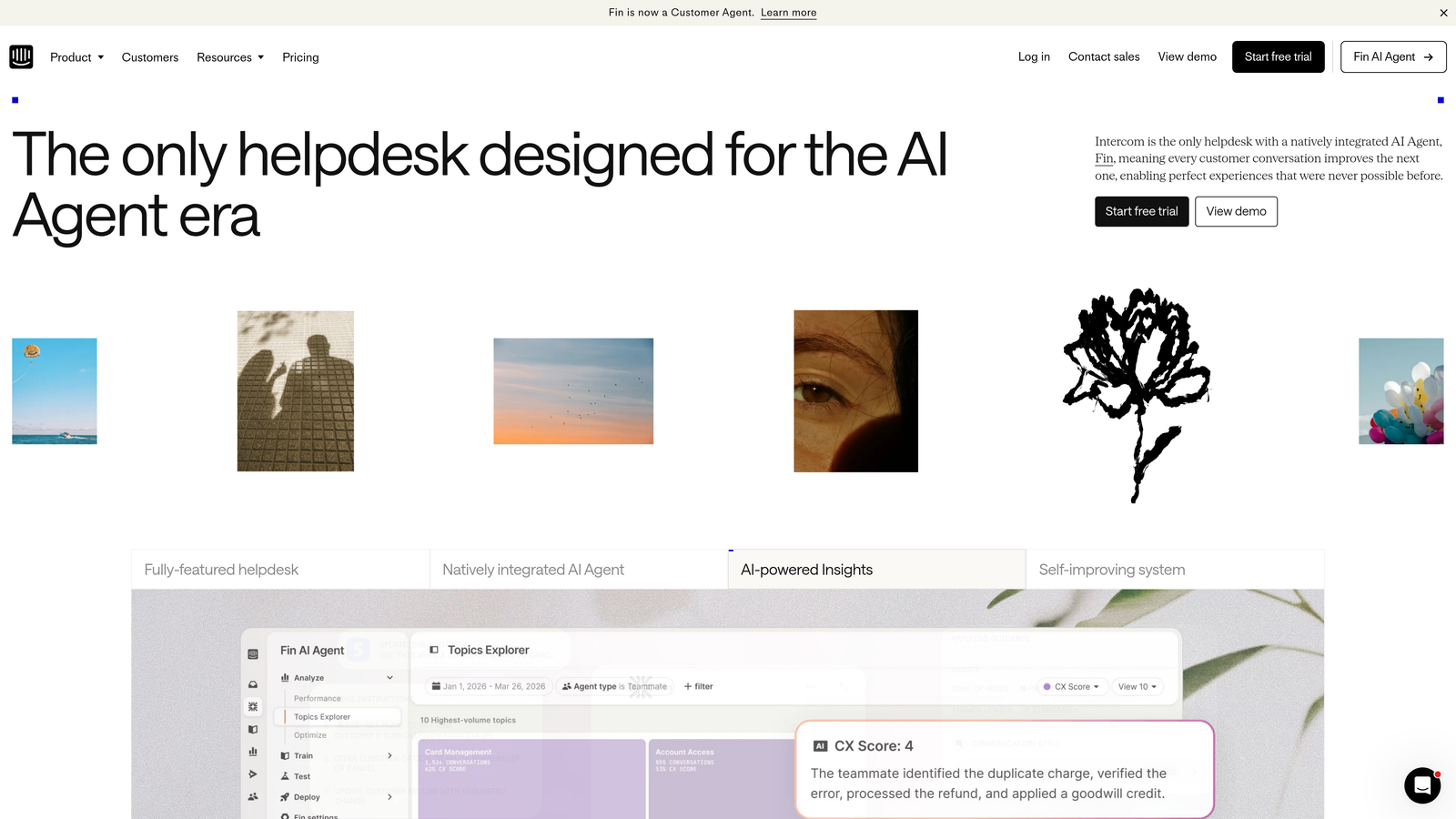
Intercom pioneered the shift from reactive helpdesk to proactive customer messaging with its messenger-first approach.
Where This Tool Shines
Intercom excels at proactive onboarding through product tours that guide new users before confusion sets in. The platform tracks user behavior to trigger contextual messages at exactly the right moment, whether that's completing a key action or showing signs of abandonment.
The Series feature enables sophisticated multi-step engagement campaigns that feel personalized rather than automated. Combined with Resolution Bot for instant answers, Intercom creates a proactive safety net that catches users before they need to contact support.
Key Features
Product Tours: Interactive walkthroughs triggered by user segments or actions to prevent confusion during onboarding.
Behavior-Triggered Messaging: Automated outreach based on specific user actions, inaction, or attribute changes.
Resolution Bot: AI-powered instant answers from your knowledge base before users reach human agents.
Series Campaigns: Multi-step automated engagement sequences for nurturing users through their journey.
Custom Bots: Build conversation flows that proactively qualify issues and route to appropriate resources.
Best For
Fast-growing SaaS companies with complex onboarding needs and product-led growth strategies. Works best when you have clear user segments and behavioral triggers to optimize around.
Pricing
Starts at $74/month with seat-based pricing scaling up. Can become expensive at scale.
3. Zendesk
Best for: Enterprise teams needing predictive analytics and extensive integration options with established workflows
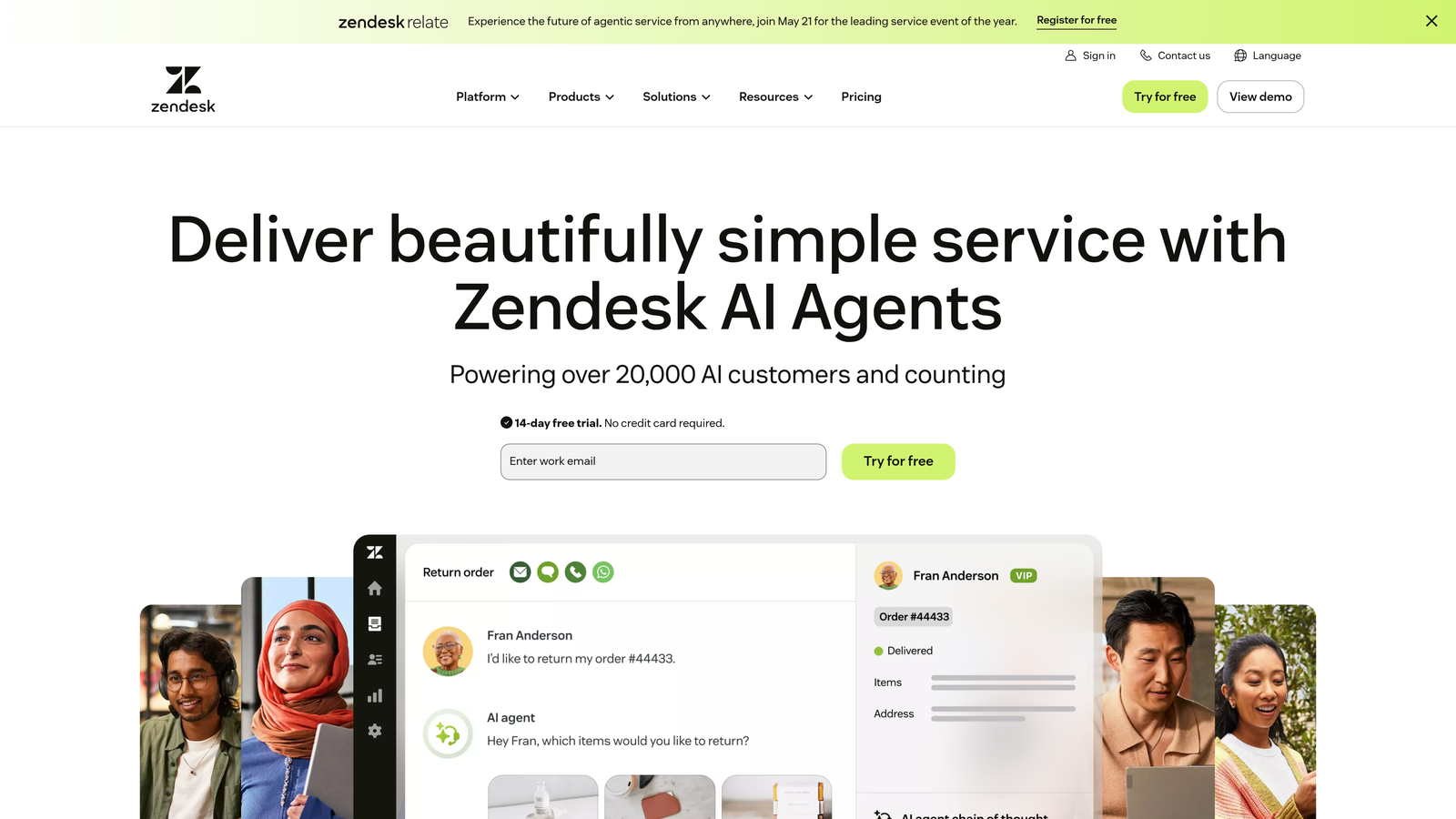
Zendesk brings enterprise-grade infrastructure to proactive support through Answer Bot, predictive capabilities, and a massive marketplace ecosystem.
Where This Tool Shines
Zendesk's strength lies in its predictive analytics that identify support patterns before they become fires. The platform analyzes historical ticket data to forecast volume spikes, identify knowledge gaps, and surface trending issues that warrant proactive communication.
The marketplace offers hundreds of integrations and add-ons specifically for proactive support, from sentiment analysis to advanced automation. This extensibility means you can build exactly the proactive stack your team needs without switching platforms.
Key Features
Answer Bot: AI-powered ticket deflection suggesting relevant articles before tickets reach agents.
Predictive Analytics: Identifies support patterns, volume forecasts, and emerging issues requiring proactive outreach.
Proactive Messaging via Web Widget: Trigger contextual messages based on page visits, time on site, or user attributes.
Extensive Marketplace: Hundreds of integrations and apps for building custom proactive workflows.
Macro Automation: Pre-built responses and workflows that proactively handle common scenarios.
Best For
Large enterprises with complex support operations across multiple channels and geographies. Best when you need deep customization and have technical resources to optimize the platform.
Pricing
Starts at $55/agent/month for Suite Team. Enterprise features require higher tiers.
4. Freshdesk
Best for: Growing teams wanting AI-powered proactive support without enterprise pricing or complexity
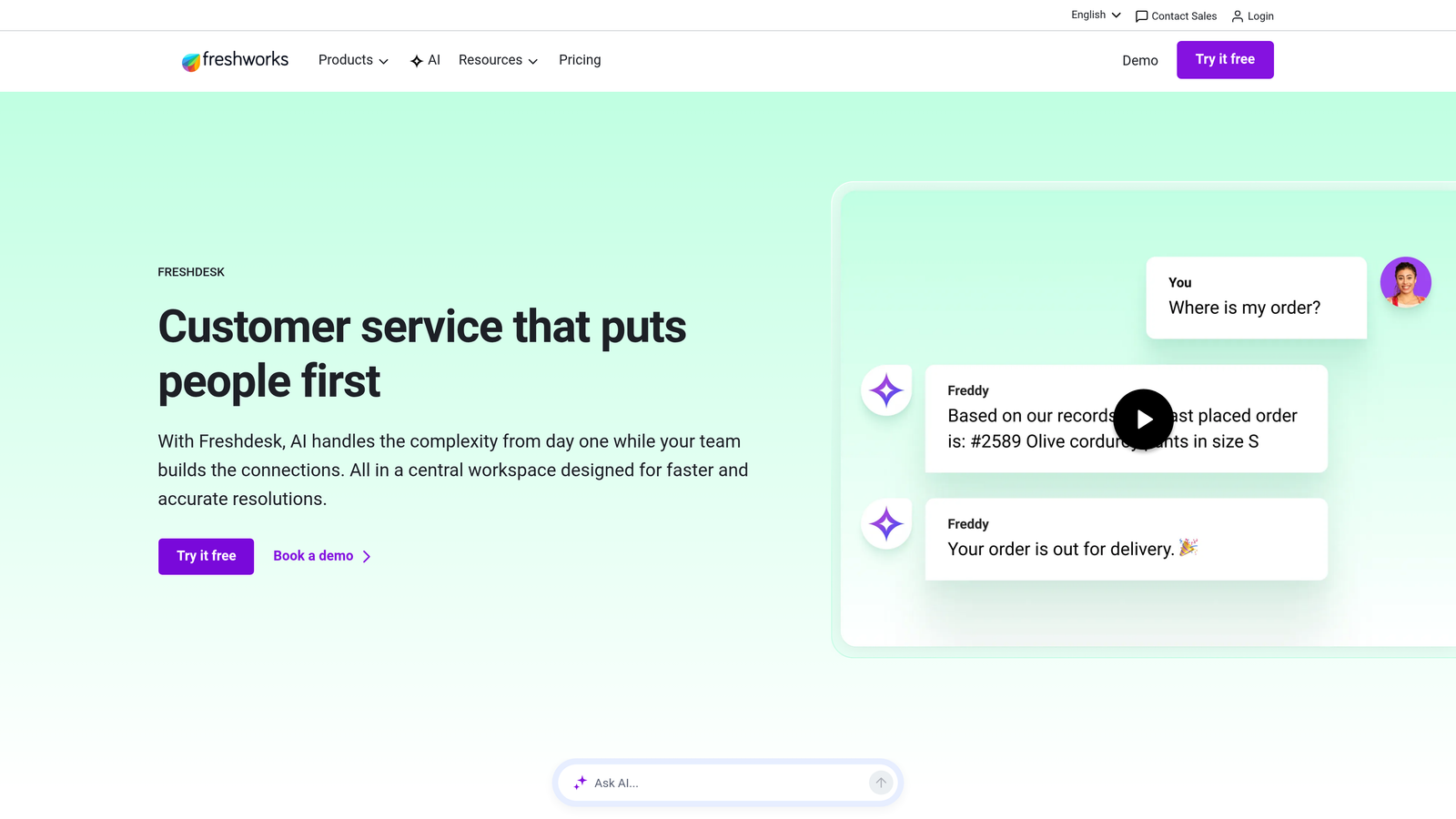
Freshdesk delivers Freddy AI capabilities for predictive routing and proactive engagement at price points accessible to mid-market companies.
Where This Tool Shines
Freddy AI makes proactive support accessible without requiring data science teams. The system learns from your ticket history to predict which issues need urgent attention, suggest knowledge articles before users submit tickets, and route complex cases to specialists automatically.
The customer journey tracking identifies intervention opportunities by monitoring user paths through your product. When patterns indicate potential frustration or confusion, Freshdesk triggers proactive outreach campaigns that feel timely rather than intrusive.
Key Features
Freddy AI: Predictive ticket routing, intelligent suggestions, and automated responses based on historical patterns.
Knowledge Base Suggestions: Surface relevant articles during ticket creation to deflect before submission.
Proactive Outreach Campaigns: Trigger targeted messaging based on customer segments, behaviors, or lifecycle stages.
Customer Journey Tracking: Monitor user paths to identify friction points warranting proactive intervention.
Scenario Automations: Build if-then workflows that proactively handle common situations without agent involvement.
Best For
Mid-market companies and growing startups that need AI-powered proactive capabilities without paying enterprise premiums. The free tier makes it accessible for teams just starting to build proactive strategies.
Pricing
Free tier available for basic features. Paid plans start at $15/agent/month with Freddy AI on higher tiers.
5. Pendo
Best for: Product teams wanting analytics-driven proactive guidance based on actual user behavior and friction points
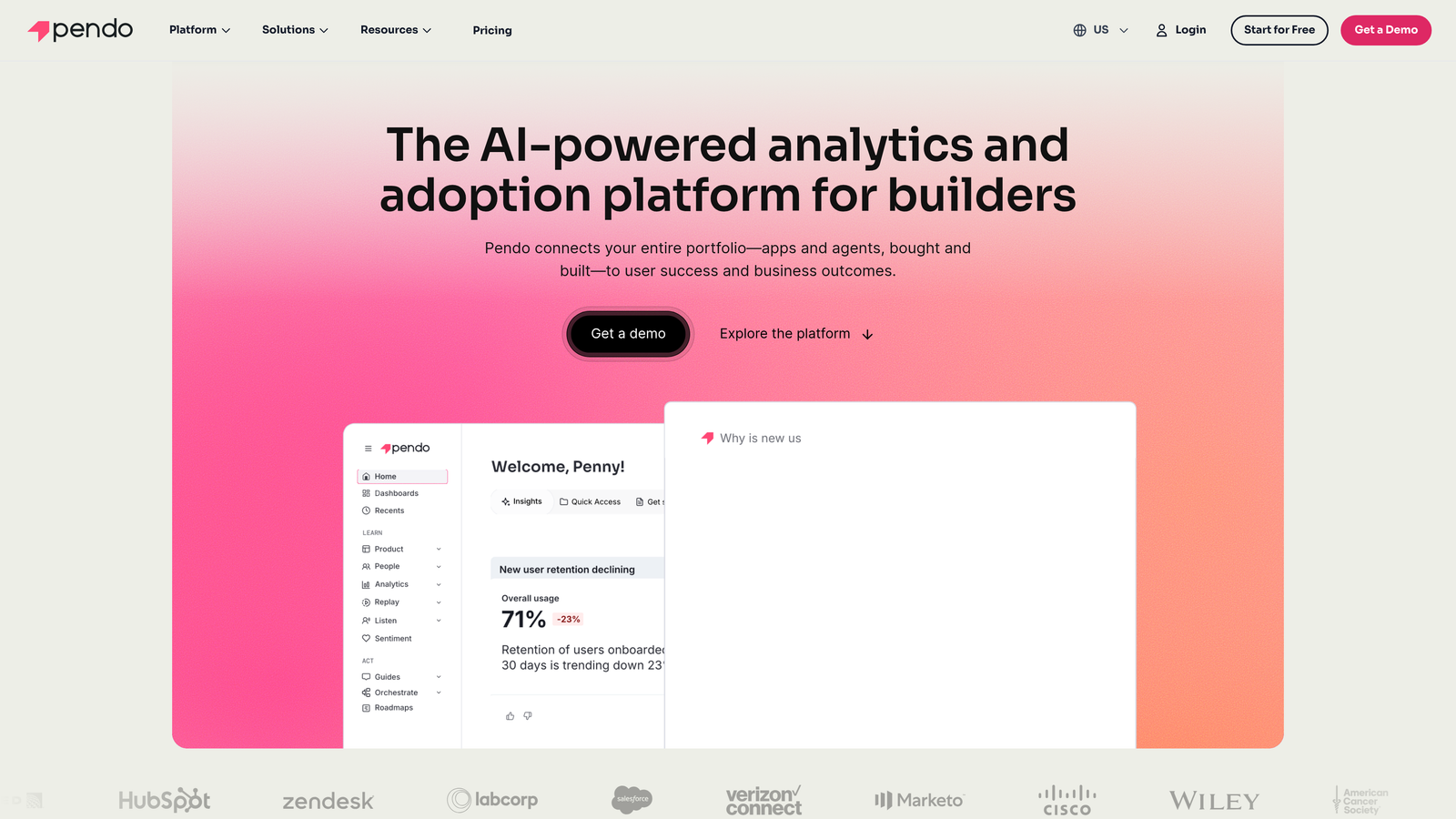
Pendo combines product analytics with in-app guidance to enable proactive support triggered by real usage patterns and identified friction.
Where This Tool Shines
Pendo's analytics foundation means proactive guidance is based on data, not assumptions. The platform identifies exactly where users struggle, abandon features, or exhibit confusion patterns, then triggers targeted walkthroughs to address those specific friction points.
The feedback collection capabilities close the loop between proactive support and product improvement. When patterns indicate systemic issues rather than user confusion, Pendo surfaces these insights to product teams before support volume spikes.
Key Features
Behavior-Triggered Guides: In-app walkthroughs automatically launched when users exhibit struggle patterns or reach friction points.
Product Analytics: Identify feature adoption gaps, abandonment patterns, and usage friction before tickets arrive.
Targeted Walkthroughs: Segment-specific guidance for users showing signs of confusion or underutilization.
In-App Feedback: Collect user input at critical moments to preempt support needs and inform product decisions.
Resource Center: Self-service hub with contextual help based on user's current location and role.
Best For
Product-led SaaS companies where product teams and support teams collaborate closely. Most valuable when you have complex features requiring guided adoption and want data-driven intervention triggers.
Pricing
Contact for pricing. Generally positioned for mid-market to enterprise.
6. Gainsight
Best for: Customer success teams preventing churn through health scoring and automated intervention for at-risk accounts
Gainsight focuses on proactive customer success by identifying risk signals early and orchestrating automated outreach before accounts churn.

Where This Tool Shines
Gainsight's health scoring aggregates signals from product usage, support tickets, billing events, and engagement patterns to identify at-risk accounts before they're obvious. This early warning system enables customer success teams to intervene proactively rather than reactively damage-controlling.
Journey Orchestrator automates complex multi-touch engagement sequences that feel personalized. When health scores drop or risk signals appear, the platform triggers appropriate outreach, resources, or escalations without manual monitoring.
Key Features
Customer Health Scores: Aggregate signals from multiple sources to identify risk and expansion opportunities proactively.
Journey Orchestrator: Automate multi-step engagement campaigns triggered by health changes or lifecycle events.
Timeline View: Unified customer activity feed surfacing signals that warrant proactive intervention.
Risk Identification: Automated alerts and escalation workflows when accounts show churn signals.
Success Plans: Structured frameworks ensuring proactive touchpoints throughout customer lifecycle.
Best For
Enterprise B2B companies with dedicated customer success teams managing high-value accounts. Most effective when you have complex customer journeys and can act on early risk signals.
Pricing
Contact for pricing. Enterprise-focused with significant implementation investment required.
7. Drift
Best for: Marketing and sales teams wanting conversational AI that proactively engages visitors before they bounce or disengage
Drift uses conversational AI and intent detection to proactively engage website visitors with intelligent chatbots and real-time personalization.

Where This Tool Shines
Drift's intent detection identifies visitor behavior patterns indicating purchase intent, confusion, or abandonment risk, then proactively initiates conversations at exactly the right moment. This transforms passive website visits into active engagement opportunities.
The platform's real-time personalization adapts messaging based on visitor attributes, behavior, and firmographic data. Instead of generic chatbots, Drift delivers contextual conversations that feel relevant and timely rather than intrusive.
Key Features
AI Chatbots: Proactively engage visitors based on behavior, page visits, and time on site before they bounce.
Intent Detection: Identify visitor signals indicating purchase interest, confusion, or support needs for timely outreach.
Real-Time Personalization: Adapt messaging and offers based on visitor attributes and current behavior.
Conversational Landing Pages: Replace static forms with interactive conversations that proactively qualify and route visitors.
Playbooks: Build custom conversation flows triggered by specific visitor segments or behaviors.
Best For
B2B companies focusing on conversational marketing and sales where proactive visitor engagement drives pipeline. Works best with clear buyer personas and defined conversion paths.
Pricing
Contact for pricing. Premium and Advanced tiers required for full AI capabilities.
8. Totango
Best for: Customer success teams wanting pre-built playbooks and automated health monitoring without custom development
Totango delivers proactive customer success through SuccessBlocs—pre-built playbooks for common scenarios—and automated health monitoring with early warning systems.
Where This Tool Shines
SuccessBlocs provide ready-made proactive playbooks for onboarding, adoption, renewal, and expansion scenarios. Instead of building workflows from scratch, teams can deploy proven frameworks that automatically trigger tasks and campaigns based on customer signals.
The automated health monitoring continuously evaluates accounts against your success criteria, surfacing at-risk customers before they churn. This hands-off approach means customer success managers focus on intervention rather than monitoring.
Key Features
SuccessBlocs: Pre-built proactive playbooks for common customer success scenarios requiring minimal customization.
Automated Health Monitoring: Continuous evaluation of account health with configurable scoring criteria.
Early Warning System: Proactive alerts when accounts exhibit churn signals or engagement drops.
Triggered Tasks and Campaigns: Automated workflows launching based on health changes, lifecycle events, or usage patterns.
Customer Segmentation: Dynamic grouping enabling targeted proactive outreach to specific cohorts.
Best For
Mid-market B2B companies building customer success programs without extensive technical resources. The free tier makes it accessible for teams validating proactive strategies before significant investment.
Pricing
Free tier available for basic features. Contact for paid plans with advanced automation.
9. Help Scout
Best for: Small to mid-sized teams wanting proactive capabilities without enterprise complexity or overwhelming feature sets
Help Scout offers straightforward proactive support through its Beacon widget, contextual help suggestions, and targeted messaging without requiring technical expertise.
Where This Tool Shines
Help Scout's Beacon widget provides contextual article suggestions based on the page users are viewing, deflecting tickets before they're submitted. The simplicity means teams can deploy proactive support quickly without extensive configuration or technical overhead.
Proactive Messages enable targeted outreach to specific customer segments or pages without building complex automation workflows. This accessibility makes proactive support achievable for teams without dedicated operations resources.
Key Features
Beacon Widget: Contextual knowledge base article suggestions based on current page and user behavior.
Proactive Messages: Targeted outreach to specific pages, customer segments, or user attributes without complex setup.
Docs Integration: Self-service knowledge base surfaced proactively before users contact support.
Simple Setup: Deploy proactive features without technical resources or extensive configuration.
Custom Fields: Segment customers for targeted proactive outreach based on attributes or behaviors.
Best For
Small to mid-sized support teams that want proactive capabilities without overwhelming complexity. Ideal when you need quick deployment and intuitive interfaces over extensive customization.
Pricing
Starts at $20/user/month with proactive features available across tiers.
Making the Right Choice
The right proactive support tool depends on where you are and where you're heading. If you're an AI-first team wanting autonomous support that learns continuously, Halo AI's page-aware intelligence and multi-system integration deliver proactive capabilities without retrofitting legacy architecture. For product-led companies focused on onboarding, Intercom's behavior-triggered messaging and product tours excel at preventing confusion before it becomes tickets.
Enterprise teams with complex operations benefit from Zendesk's predictive analytics and extensive marketplace, while growing companies often find Freshdesk's Freddy AI capabilities hit the sweet spot between functionality and affordability. Product teams wanting analytics-driven guidance should explore Pendo's friction identification, and customer success organizations preventing churn will appreciate Gainsight's health scoring and journey orchestration.
Think about integration depth across your stack. Proactive support requires data from product analytics, CRM, billing systems, and development tools to identify intervention opportunities. Tools that connect deeply with your existing systems—like Halo AI's integrations with Linear, Slack, HubSpot, Intercom, and Stripe—enable richer context and smarter automation than standalone solutions.
Consider implementation complexity versus time-to-value. Some platforms require significant technical resources and configuration to deliver proactive capabilities, while others like Help Scout offer simpler deployment for teams wanting quick wins. Match the tool's complexity to your team's resources and sophistication.
Your support team shouldn't scale linearly with your customer base. Let AI agents handle routine tickets, guide users through your product, and surface business intelligence while your team focuses on complex issues that need a human touch. See Halo in action and discover how continuous learning transforms every interaction into smarter, faster support.