9 Best Support Platforms with Anomaly Detection in 2026
The best support platforms with anomaly detection use machine learning to identify unusual patterns like sudden ticket spikes, sentiment shifts, or performance changes before they escalate into customer churn. These platforms alert support teams to emerging issues while providing context on why anomalies occur and actionable recommendations for resolution.
 Matt PattoliFounder11 min read
When your support queue suddenly spikes at 3 AM or ticket resolution times quietly creep upward over weeks, you need to know before customers start churning. Anomaly detection in support platforms uses machine learning to spot unusual patterns—sudden volume surges, sentiment shifts, emerging bug clusters, or agent performance changes—before they become full-blown crises.
The best platforms don't just alert you to problems; they help you understand why anomalies occur and what to do about them. We evaluated these top platforms based on their anomaly detection capabilities, alerting sophistication, integration depth, and overall value for B2B support teams.
1. Halo AI
Best for: Teams wanting AI-native anomaly detection with business intelligence beyond traditional support metrics
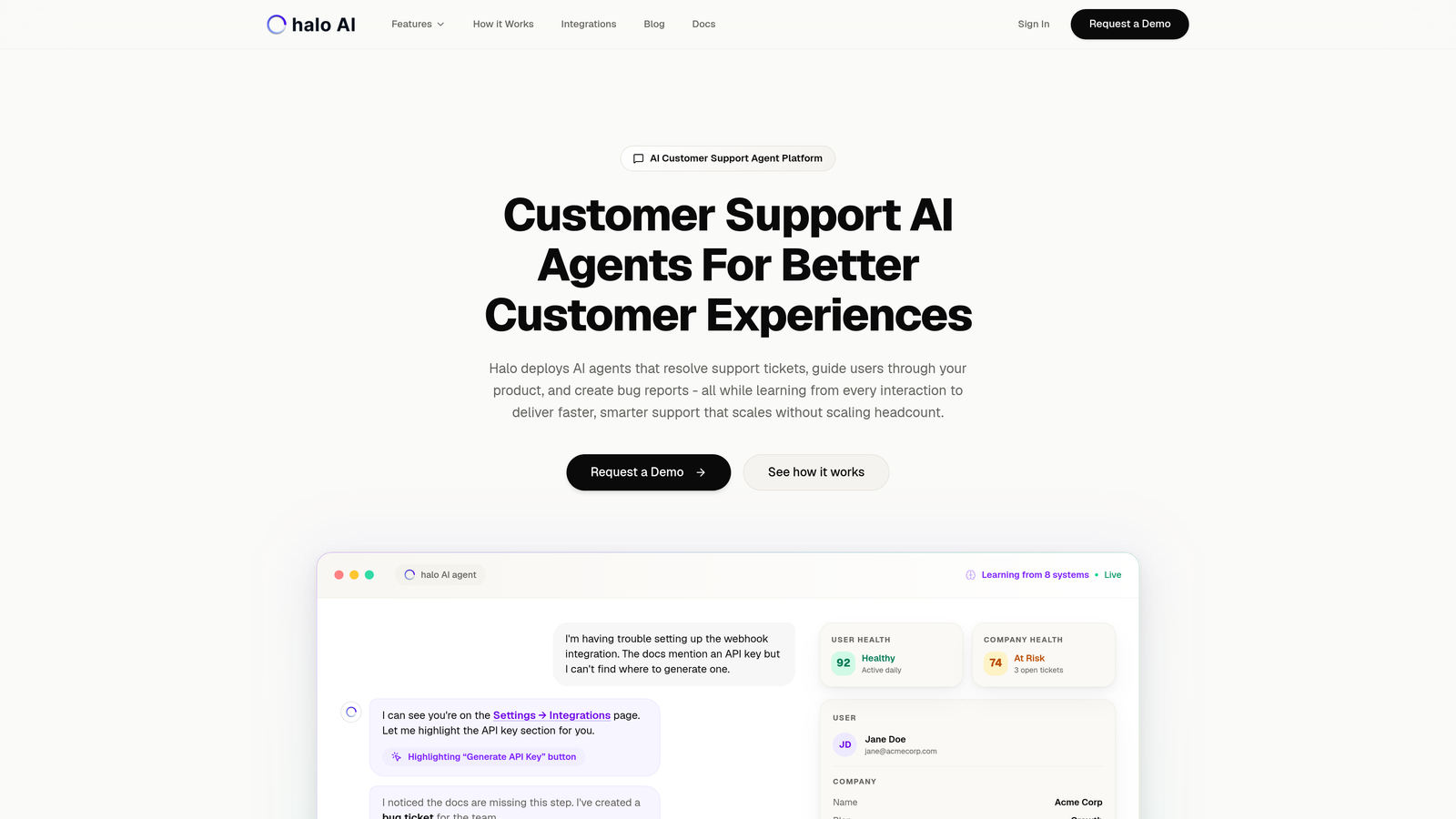
Halo AI is an AI-powered customer support platform that treats anomaly detection as a core feature, not an add-on.
Where This Tool Shines
Unlike platforms that bolt anomaly detection onto existing helpdesk infrastructure, Halo AI builds intelligence into every interaction. The platform continuously learns from ticket patterns, user behavior, and resolution outcomes to identify anomalies in real-time.
What sets Halo apart is its page-aware context—the system sees what users see in your product, correlating UI interactions with support patterns. When an anomaly emerges, you get not just an alert but business intelligence about customer health signals, revenue implications, and potential product issues.
Key Features
Real-time Anomaly Detection: Monitors ticket volume, sentiment trends, and resolution patterns continuously with immediate alerting.
Page-Aware Context: Correlates user behavior and product interactions with support issues to identify UI-related anomaly clusters.
Business Intelligence Signals: Surfaces customer health anomalies and revenue impact beyond basic support metrics.
Auto Bug Ticket Creation: Automatically generates engineering tickets when anomaly patterns indicate product defects.
Multi-System Integration: Connects to Linear, Slack, HubSpot, Intercom, Stripe, and more for cross-platform anomaly correlation.
Best For
B2B product teams that want anomaly detection tied to actual product usage, not just support metrics. Particularly valuable for companies using multiple business tools who need unified anomaly visibility across their entire stack.
Pricing
Contact for pricing. Enterprise-focused with custom deployment options.
2. Zendesk Explore
Best for: Enterprise teams already invested in Zendesk needing deep historical analysis and customizable thresholds
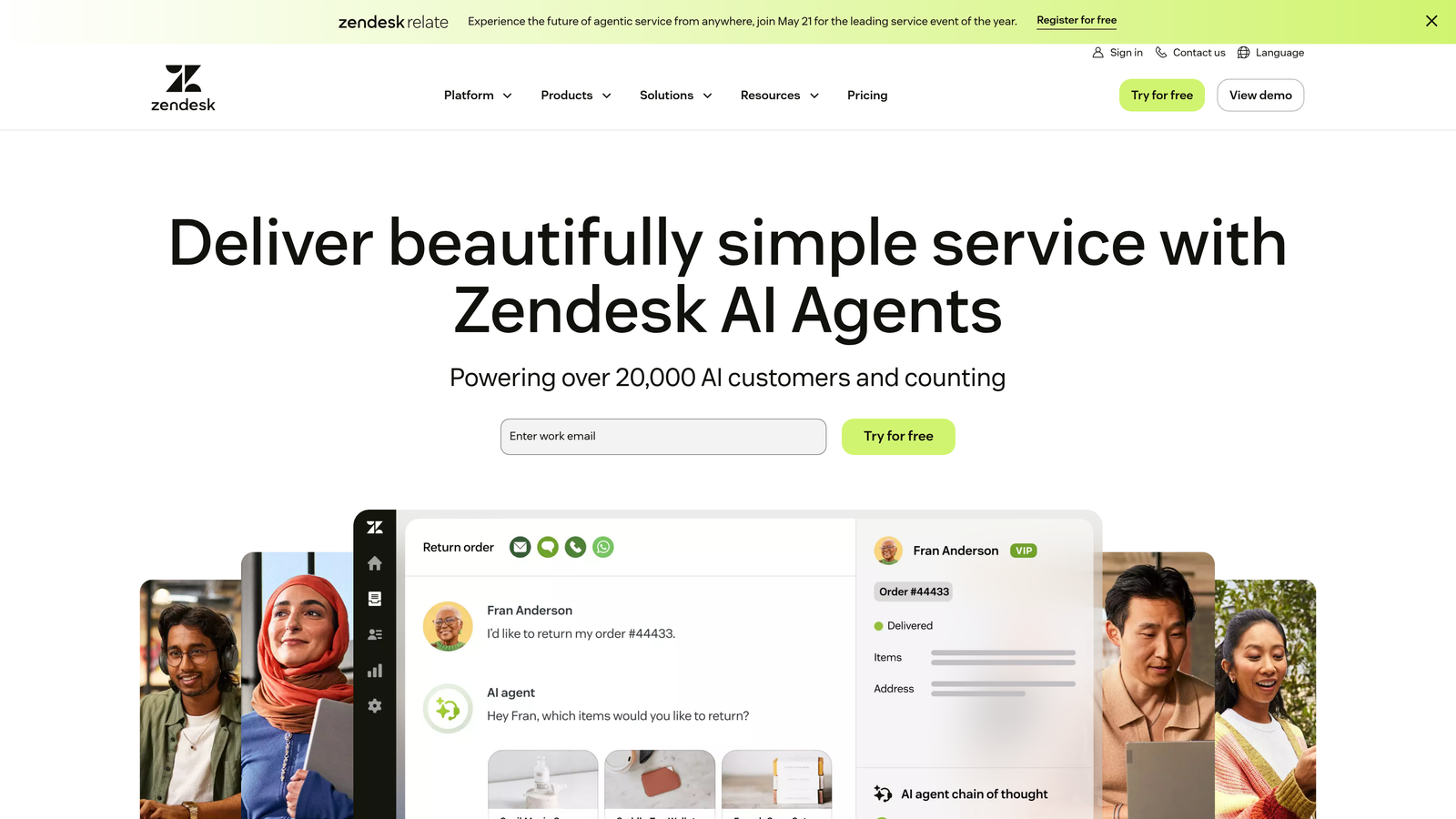
Zendesk Explore is the analytics engine within Zendesk offering pre-built anomaly dashboards and extensive customization options.
Where This Tool Shines
Zendesk Explore excels at historical trend analysis with deviation highlighting that makes anomalies immediately visible. The platform offers pre-configured dashboards for common anomaly types—volume spikes, resolution time increases, satisfaction drops—that work out of the box.
The strength here is ecosystem depth. If your organization runs on Zendesk, Explore integrates seamlessly with every aspect of your support operation, from ticket routing to agent scheduling.
Key Features
Pre-Configured Dashboards: Ready-made anomaly views for volume, performance, and satisfaction metrics.
Custom Threshold Alerts: Set specific deviation parameters for each metric that matters to your team.
Historical Trend Analysis: Compare current patterns against weeks, months, or years of historical data.
Cross-Channel Tracking: Monitor anomalies across email, chat, phone, and social channels in unified views.
Scheduled Reports: Automate anomaly summaries delivered to stakeholders on your schedule.
Best For
Enterprise Zendesk users who need sophisticated analytics tied to their existing support infrastructure. Teams that value historical context and customizable alerting over AI-powered predictive insights.
Pricing
Included with Zendesk Suite Professional and above. Standalone Explore starts at $9 per agent per month.
3. Freshdesk Analytics
Best for: Mid-market teams wanting accessible anomaly detection with proactive AI insights at reasonable pricing
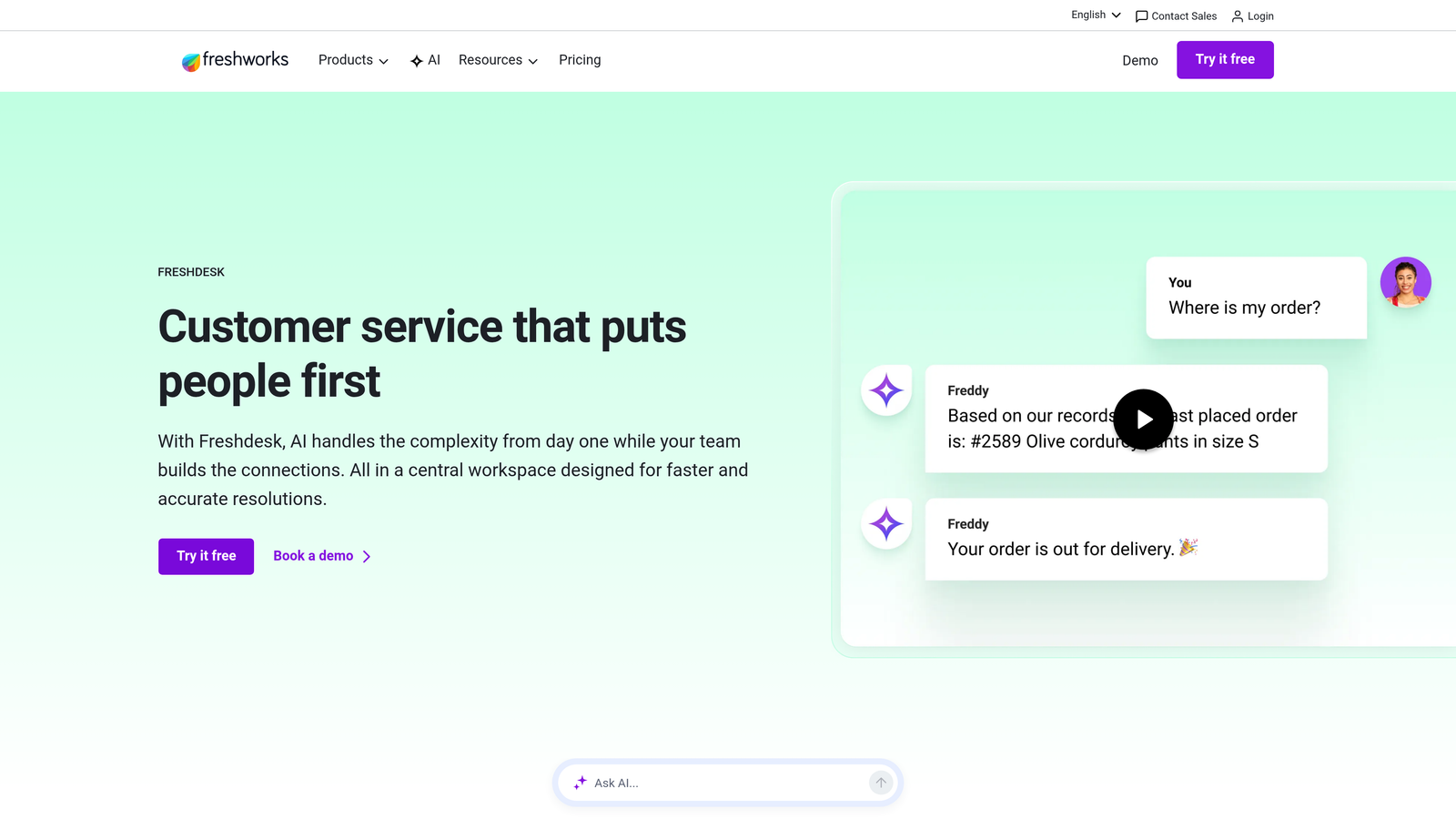
Freshdesk Analytics combines Freddy AI-powered insights with straightforward anomaly reporting designed for growing support teams.
Where This Tool Shines
Freshdesk makes anomaly detection approachable. Freddy AI highlights unusual patterns in plain language, explaining what changed and suggesting why. The platform sends proactive email notifications when metrics deviate from expected ranges, so managers don't need to monitor dashboards constantly.
The team performance tracking is particularly strong, flagging when individual agents or groups show resolution time increases or satisfaction drops before they impact overall metrics.
Key Features
Freddy AI Insights: Natural language explanations of detected anomalies with contextual recommendations.
Proactive Email Notifications: Automatic alerts sent to relevant stakeholders when deviations occur.
Team Performance Anomaly Tracking: Individual and group-level deviation monitoring for early intervention.
SLA Breach Prediction: Alerts when ticket resolution patterns suggest upcoming SLA violations.
Custom Metric Monitoring: Define business-specific KPIs and set anomaly thresholds.
Best For
Growing support teams that need enterprise-grade anomaly detection without enterprise complexity or pricing. Companies prioritizing ease of use and clear explanations over deep customization.
Pricing
Analytics included in Pro plan at $49 per agent per month. Enterprise plan with advanced features at $79 per agent per month.
4. Intercom Fin
Best for: Product-led companies correlating user behavior anomalies with support conversation patterns
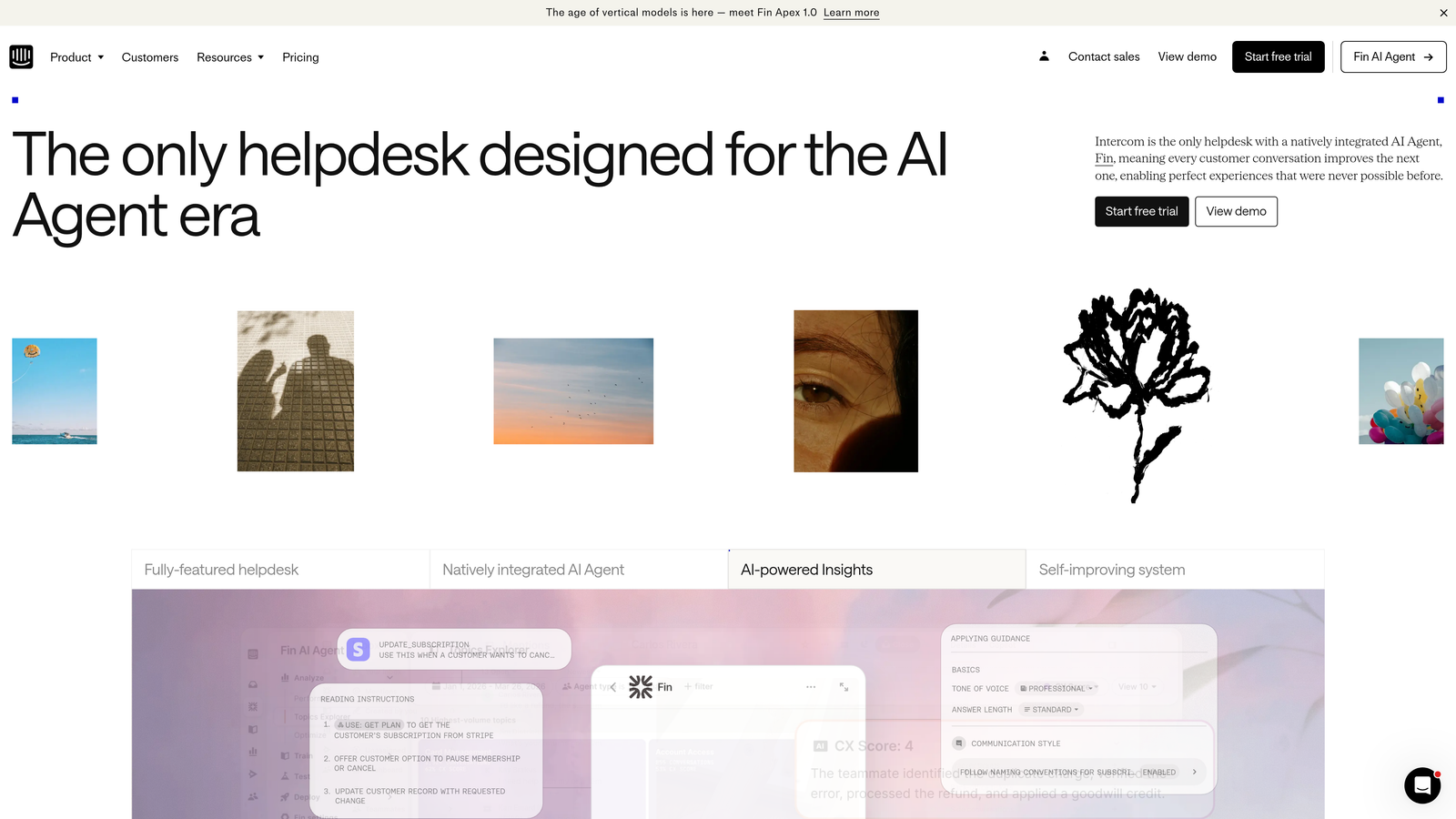
Intercom Fin is a conversation intelligence platform that detects sentiment shifts and emerging topics while tying support patterns to product usage.
Where This Tool Shines
Intercom Fin excels at behavioral correlation. When support volume spikes around a specific feature, Fin connects those conversations to actual product usage data, showing you not just what customers are asking about but what they were trying to do when they got stuck.
The sentiment shift detection is particularly nuanced, identifying when tone changes across conversations about specific topics—an early warning system for feature launches gone wrong or emerging user frustrations.
Key Features
Sentiment Shift Detection: Monitors emotional tone changes across conversations to spot brewing issues.
Product Usage Correlation: Links support patterns to feature adoption and user behavior data.
Emerging Topic Clustering: Automatically groups related conversations to surface new issue categories.
User Behavior Anomaly Alerts: Flags when high-value users exhibit unusual support interaction patterns.
Conversation Flow Analysis: Identifies where users consistently struggle in support interactions.
Best For
Product-led SaaS companies that need to understand the relationship between product experience and support demand. Teams wanting to catch feature-specific issues before they escalate.
Pricing
Fin AI Agent at $0.99 per resolution. Base platform starts at $29 per seat per month.
5. Salesforce Service Cloud Einstein
Best for: Enterprise organizations needing cross-departmental anomaly visibility tied to CRM and revenue data
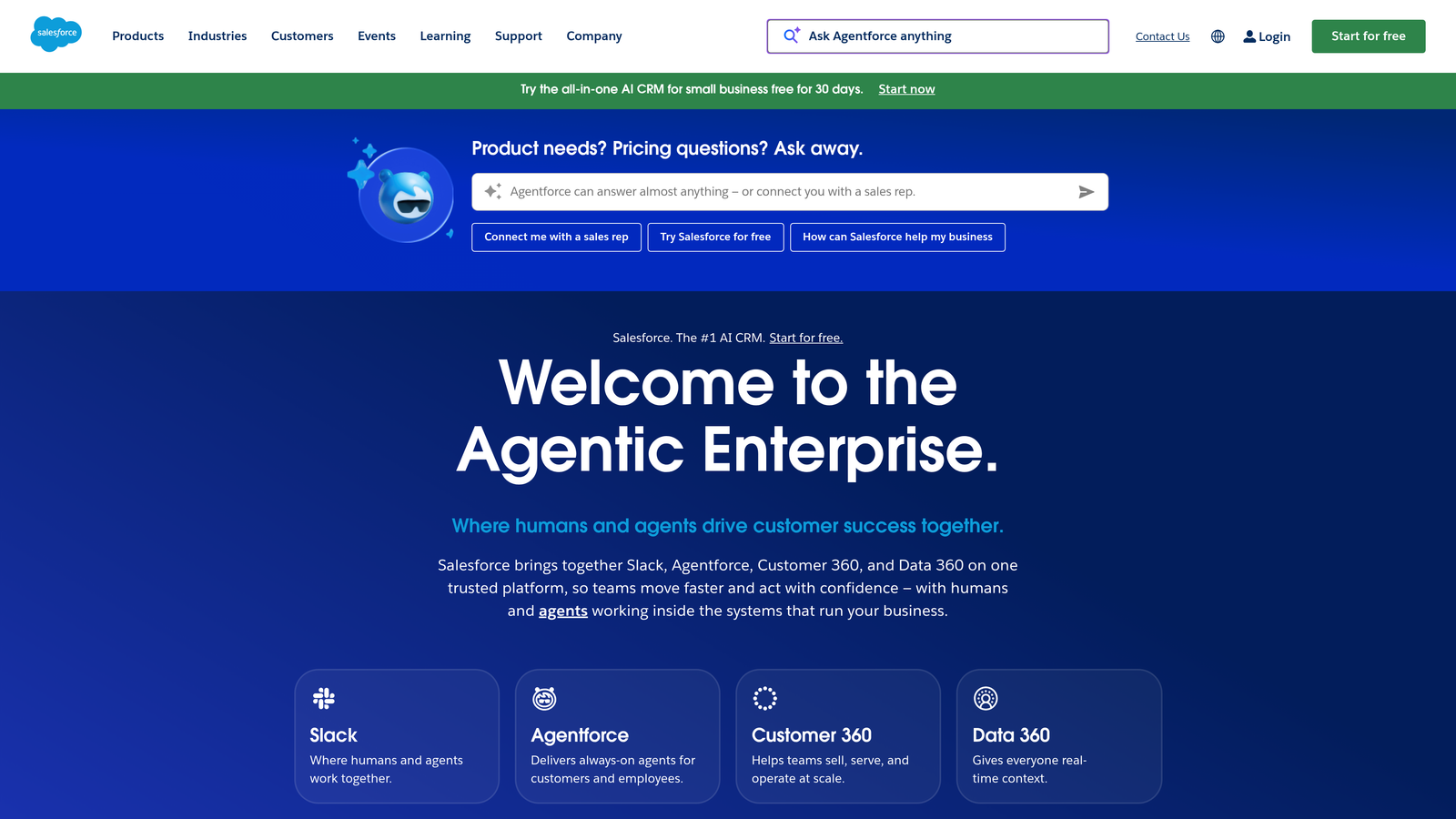
Salesforce Service Cloud Einstein brings predictive AI and anomaly detection to support teams already operating within the Salesforce ecosystem.
Where This Tool Shines
Einstein's power lies in cross-object correlation. When support ticket volume spikes, the platform automatically checks for corresponding anomalies in sales activity, marketing campaigns, or customer lifecycle stages. This holistic view helps you understand whether support issues signal broader business problems.
The revenue impact analysis is particularly valuable, connecting support anomalies directly to account health and renewal risk. When resolution times increase for enterprise accounts, Einstein flags the revenue implications immediately.
Key Features
Predictive Case Volume Forecasting: Uses historical patterns to predict future support demand and identify deviations.
Cross-Object Anomaly Correlation: Links support patterns to sales, marketing, and customer success data.
Revenue Impact Analysis: Calculates financial implications of support anomalies by account value.
Einstein Next Best Action: Recommends specific responses when anomalies are detected.
Intelligent Case Routing: Adjusts ticket distribution when agent performance anomalies emerge.
Best For
Enterprise Salesforce customers who need support anomaly detection integrated with their entire customer data platform. Organizations where support insights must inform sales and success strategies.
Pricing
Service Cloud Enterprise at $165 per user per month. Einstein features require additional licensing starting around $50 per user per month.
6. Kustomer IQ
Best for: Customer journey-focused teams needing seasonal pattern recognition and omnichannel anomaly tracking
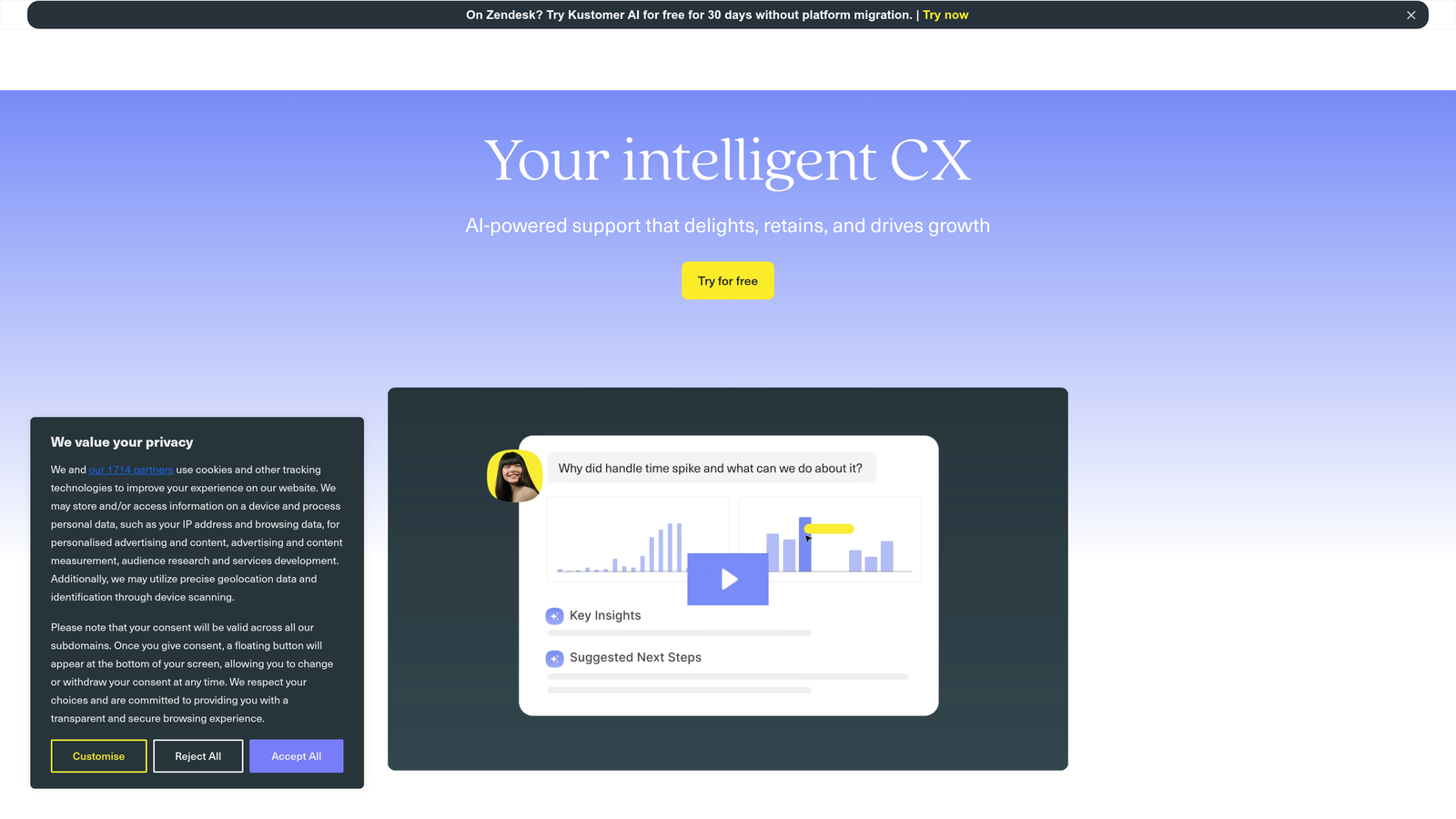
Kustomer IQ maps anomalies across the entire customer journey, with strong pattern recognition for seasonal and promotional variations.
Where This Tool Shines
Kustomer IQ understands context. The platform learns your business cycles—Black Friday spikes, end-of-quarter rushes, product launch patterns—and distinguishes expected variations from genuine anomalies. This reduces alert fatigue significantly compared to platforms that flag every volume increase.
The customer journey anomaly mapping shows where in the lifecycle unusual patterns emerge, whether it's onboarding confusion, billing issues, or renewal friction.
Key Features
Customer Journey Anomaly Mapping: Visualizes where in the lifecycle unusual support patterns occur.
Seasonal Pattern Recognition: Learns expected variations to reduce false positive alerts.
Omnichannel Sentiment Tracking: Monitors tone and satisfaction across all communication channels.
Workflow Efficiency Deviation Alerts: Flags when standard processes take longer than expected.
Cohort-Based Analysis: Compares anomaly patterns across customer segments.
Best For
E-commerce and subscription businesses with predictable seasonal patterns who need anomaly detection that accounts for business cycles. Teams prioritizing customer lifecycle insights over pure ticket metrics.
Pricing
Enterprise plan at $89 per user per month. Ultimate plan with advanced analytics at $139 per user per month.
7. Gorgias
Best for: Shopify-native e-commerce teams needing revenue-correlated anomaly alerts and order pattern detection
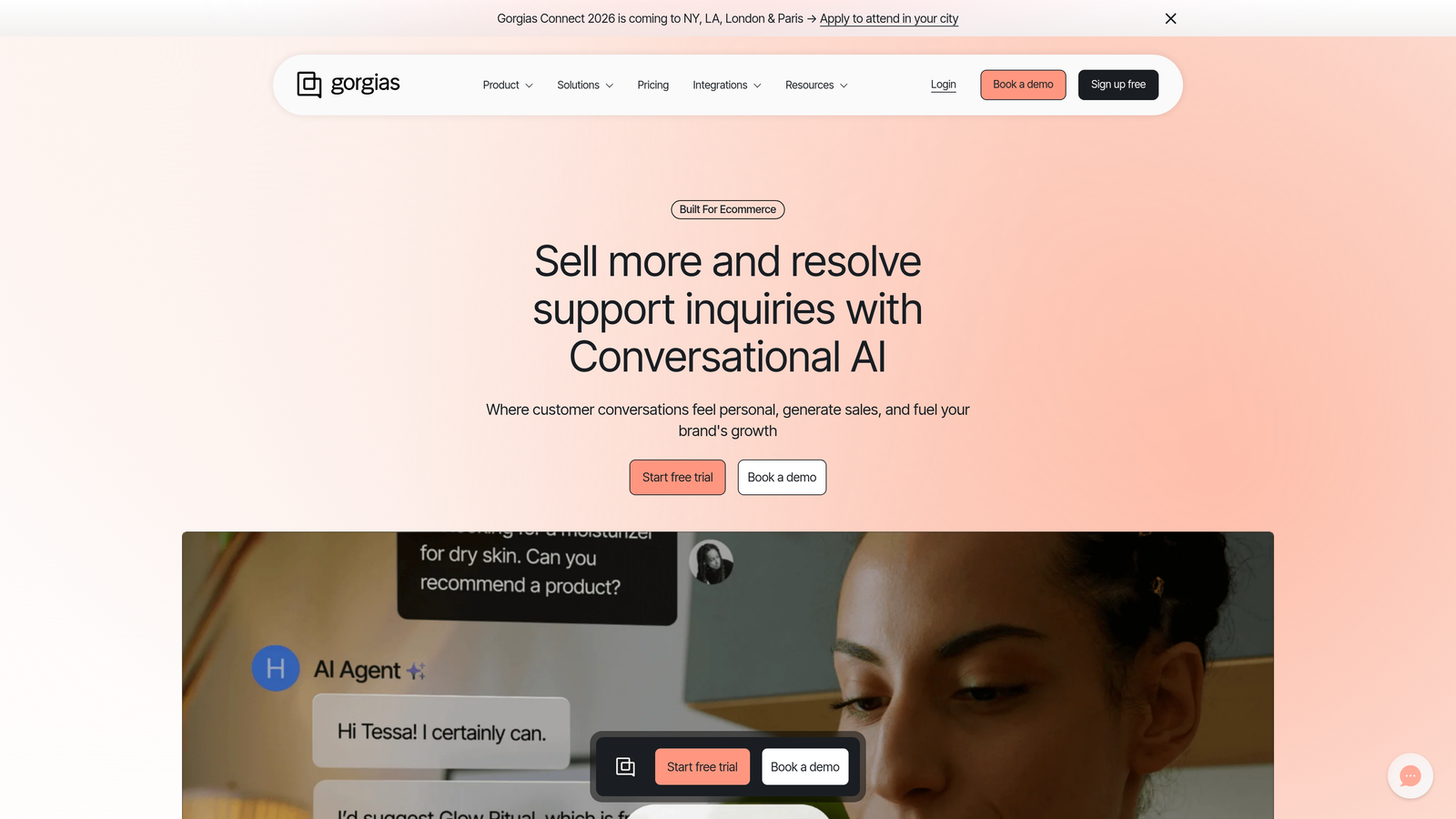
Gorgias is built specifically for e-commerce support with anomaly detection tied directly to orders, revenue, and campaign performance.
Where This Tool Shines
Gorgias connects every support anomaly to revenue impact. When ticket volume spikes, you immediately see which products or order issues are driving the increase and what the revenue implications are. The platform clusters order-related issues—shipping delays, product defects, payment problems—automatically.
The macro performance tracking is particularly useful for e-commerce teams that rely heavily on templated responses. Gorgias flags when specific macros show resolution time increases or satisfaction drops, helping you optimize your most-used workflows.
Key Features
Revenue-Correlated Anomaly Alerts: Every support pattern linked to order value and revenue impact.
Order Issue Clustering: Automatically groups shipping, product, and payment anomalies.
Macro Performance Deviation Tracking: Monitors templated response effectiveness over time.
Campaign Impact Detection: Identifies when marketing campaigns create unusual support patterns.
Product-Level Anomaly Reporting: Shows which SKUs generate unexpected support volume.
Best For
Shopify merchants and e-commerce brands that need support anomaly detection tied to product catalog and order data. Teams that measure support success by revenue impact rather than just ticket metrics.
Pricing
Pro plan at $360 per month for 2,000 tickets. Advanced plan at $900 per month for higher volume.
8. Datadog + Helpdesk Integration
Best for: Engineering-forward teams wanting support anomalies correlated with infrastructure and system health metrics
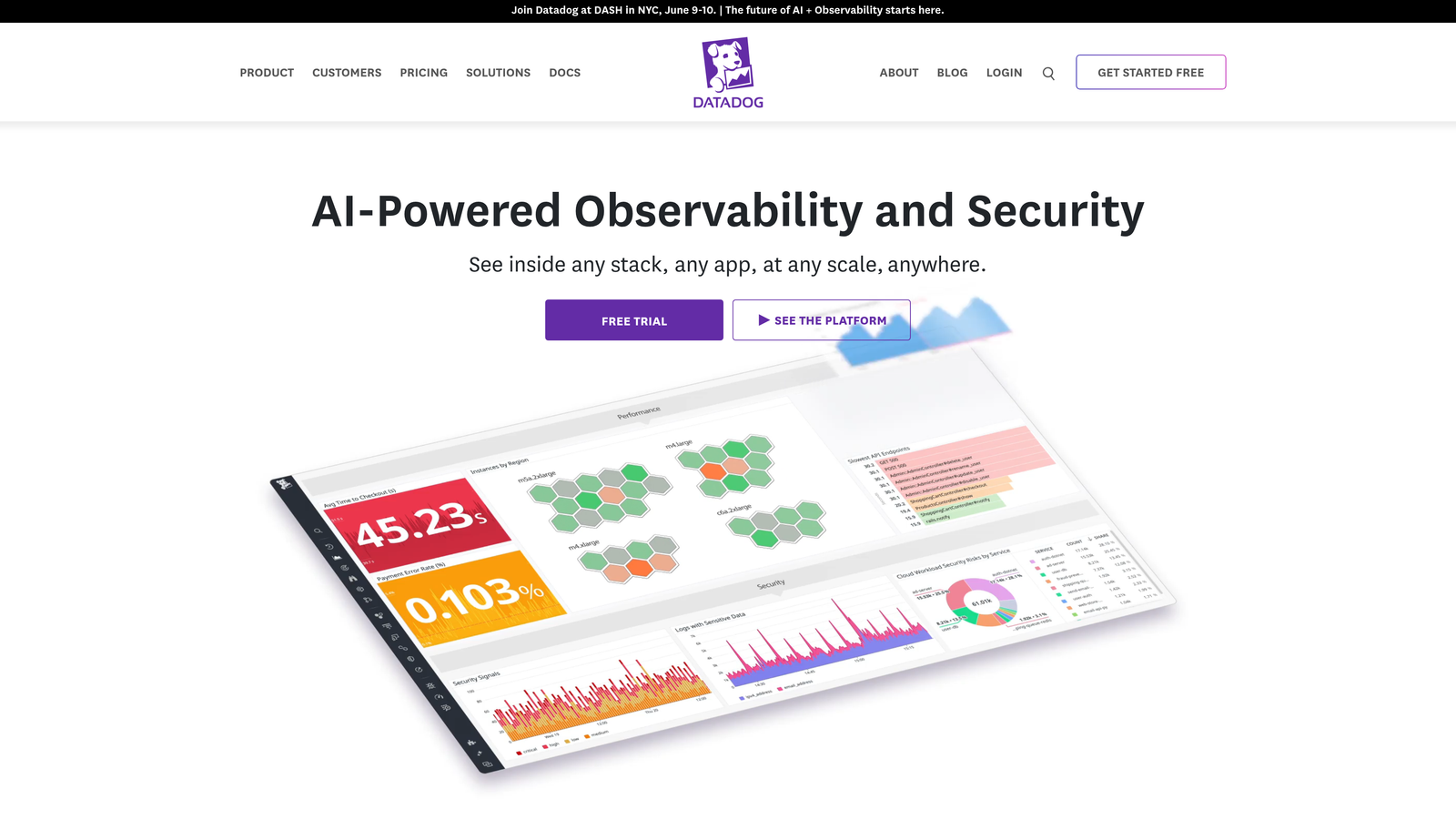
Datadog is an infrastructure monitoring platform that can integrate with helpdesk systems to correlate support anomalies with technical performance.
Where This Tool Shines
Datadog excels when you need to understand the technical root causes of support anomalies. When ticket volume spikes, Datadog correlates that increase with API response times, database performance, or deployment events. This technical correlation helps engineering teams prioritize fixes based on actual customer impact.
The customization depth is unmatched. You can build detection rules that combine support metrics with any technical signal—error rates, latency percentiles, feature flag changes—creating anomaly alerts that are highly specific to your architecture.
Key Features
Support-to-Infrastructure Correlation: Links helpdesk anomalies directly to system performance metrics.
Highly Customizable Detection Rules: Build complex anomaly logic combining multiple signal types.
Real-Time Alerting: Immediate notifications via Slack, PagerDuty, email, or webhooks.
Custom Dashboard Building: Create unified views combining support and technical metrics.
Historical Pattern Analysis: Compare current anomalies against months of infrastructure and support data.
Best For
Engineering-heavy organizations where support issues often stem from technical problems. Teams with development resources to build and maintain custom integrations between monitoring and helpdesk systems.
Pricing
Infrastructure monitoring starts at $15 per host per month. APM at $31 per host per month. Integration development requires engineering time.
9. Forethought Solve
Best for: Teams focused on emerging intent clusters and knowledge gap identification through deflection rate monitoring
Forethought Solve uses intent-focused AI to detect emerging topic clusters and predict ticket classification with deviation alerting.
Where This Tool Shines
Forethought excels at catching new issues early. The platform's intent clustering identifies when customers start asking about topics that weren't common before—often the first signal of a product bug, confusing feature, or documentation gap.
The deflection rate anomaly monitoring is particularly valuable for teams relying on self-service. When automated resolution rates drop for specific topics, Forethought alerts you immediately and suggests knowledge base improvements to address the gap.
Key Features
Emerging Intent Cluster Detection: Identifies new question categories before they become major issue themes.
Deflection Rate Anomaly Monitoring: Tracks when self-service success drops for specific topics.
Predictive Ticket Routing: Flags when classification patterns deviate from historical norms.
Knowledge Gap Identification: Surfaces topics where documentation fails to resolve issues.
Sentiment-Intent Correlation: Links emotional tone to specific question categories.
Best For
Enterprise teams with substantial self-service operations who need to optimize knowledge bases based on emerging patterns. Organizations prioritizing proactive issue identification over reactive alerting.
Pricing
Contact for pricing. Typically enterprise-focused with custom deployment.
Making the Right Choice
The right anomaly detection platform depends on what signals matter most to your business and where you need the deepest visibility.
For AI-native teams wanting continuous learning and business intelligence beyond basic alerts, Halo AI delivers the most comprehensive anomaly detection with page-aware context that connects product behavior to support patterns. Enterprise Zendesk users will find Explore's deep ecosystem integration and historical analysis valuable, while Freshdesk offers strong mid-market value with accessible AI insights.
Product-led companies should consider Intercom Fin for behavior correlation that links support anomalies to feature usage, and Salesforce shops benefit from Einstein's cross-departmental visibility tying support patterns to revenue and customer health. E-commerce teams thrive with Kustomer for journey-based analysis or Gorgias for Shopify-native revenue correlation.
Engineering-heavy organizations can build powerful custom detection with Datadog integrations that correlate support anomalies with infrastructure health, and teams focused on emerging issues should evaluate Forethought's intent clustering for early problem identification.
Start by identifying which anomalies hurt your business most—volume spikes that overwhelm your team, sentiment shifts that signal churn risk, or resolution time creep that damages satisfaction. Then match platform strengths to those priorities. The best anomaly detection doesn't just alert you to problems; it helps you understand root causes and take action before small issues become customer-impacting crises.
Your support team shouldn't scale linearly with your customer base. Let AI agents handle routine tickets, guide users through your product, and surface business intelligence while your team focuses on complex issues that need a human touch. See Halo in action and discover how continuous learning transforms every interaction into smarter, faster support.