9 Best Support Team Turnover Solutions to Retain Your Best Agents in 2026
Support team turnover solutions can save companies 50-200% of an agent's annual salary by addressing the root causes of attrition. This guide presents nine proven tools that reduce burnout through AI automation, boost engagement with satisfaction platforms, and prevent turnover with workforce management systems that eliminate repetitive tasks and create better working conditions for support agents.
 Grant CooperFounder10 min read
Support team turnover costs more than most companies realize. When an experienced agent walks out the door, you're not just losing a headcount—you're losing institutional knowledge, customer relationships, and team morale. The financial hit? Recruiting, training, and lost productivity can run 50-200% of an agent's annual salary per departure.
The good news? The right tools can dramatically reduce turnover by eliminating burnout, automating repetitive tasks, providing growth opportunities, and creating better working conditions.
Here are the top solutions that address turnover from different angles—AI automation that removes tedious work, engagement platforms that boost satisfaction, and workforce management tools that prevent burnout before it starts.
1. Halo AI
Best for: Reducing agent burnout by automating repetitive ticket resolution
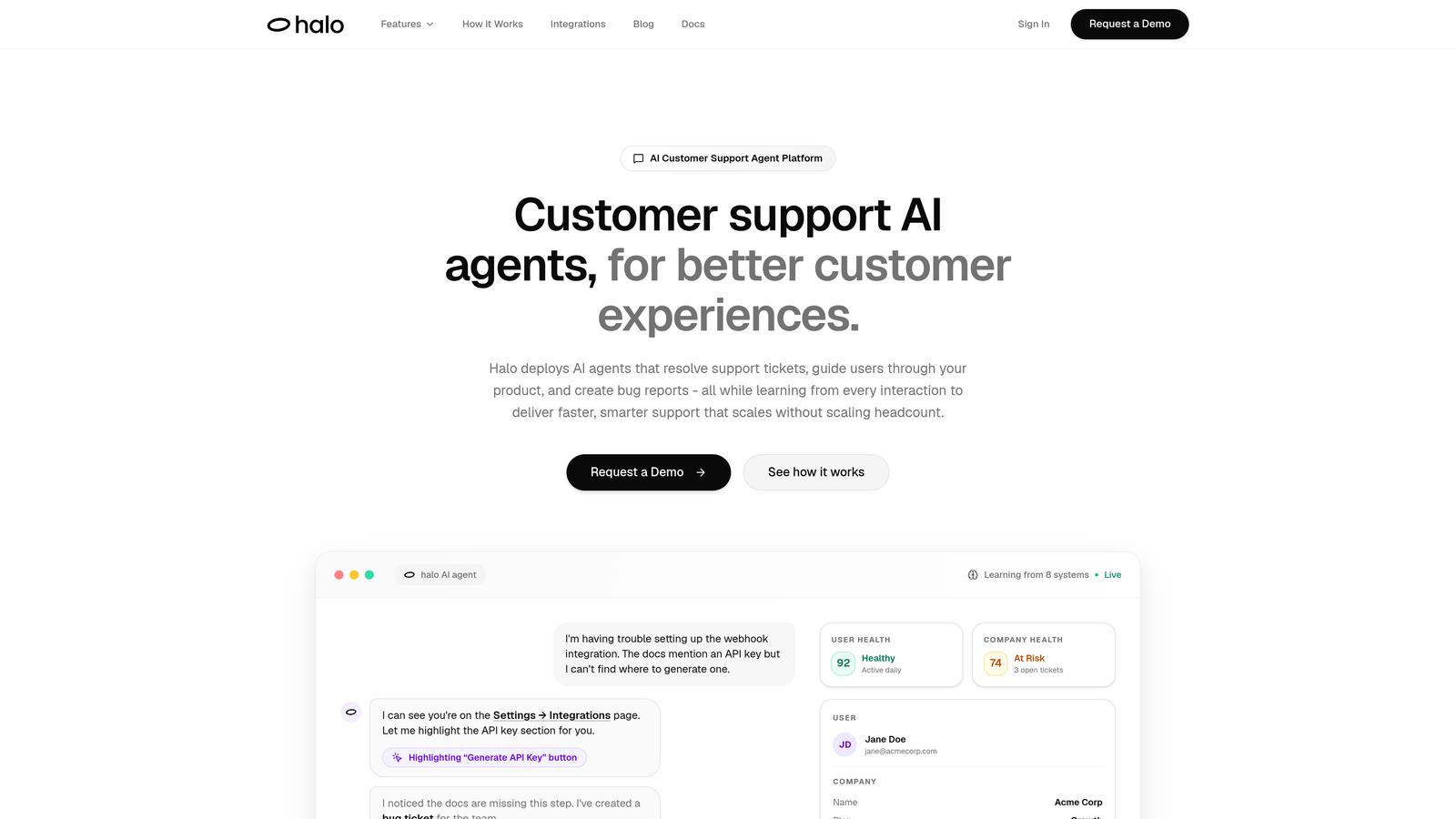
Halo AI deploys intelligent agents that autonomously resolve support tickets, letting your human team focus on complex, meaningful interactions instead of drowning in repetitive inquiries.
Where This Tool Shines
The platform's AI agents don't just respond to tickets—they actually resolve them. They learn from every interaction, becoming smarter over time and handling increasingly complex scenarios without human intervention.
What sets Halo apart is its page-aware context. The system sees what your users see, providing visual UI guidance that helps customers help themselves while simultaneously reducing the volume of tickets hitting your team's queue.
Key Features
Autonomous AI Agents: Resolve tickets end-to-end without human intervention, learning continuously from every interaction.
Page-Aware Chat Widget: Provides visual UI guidance based on what users are actually seeing on screen.
Smart Inbox with Business Intelligence: Surfaces customer health signals and revenue intelligence beyond basic support metrics.
Automatic Bug Ticket Creation: Identifies technical issues and creates detailed bug reports for your engineering team.
Live Agent Handoff: Seamlessly escalates complex issues to human agents when needed, with full context.
Best For
B2B companies and product teams where agents spend significant time on repetitive inquiries. Particularly valuable if you're using helpdesk systems like Zendesk, Freshdesk, or Intercom and want to reduce ticket volume while improving response quality.
Pricing
Contact for custom pricing based on your support volume and integration needs.
2. Culture Amp
Best for: Measuring engagement and identifying at-risk agents before they leave
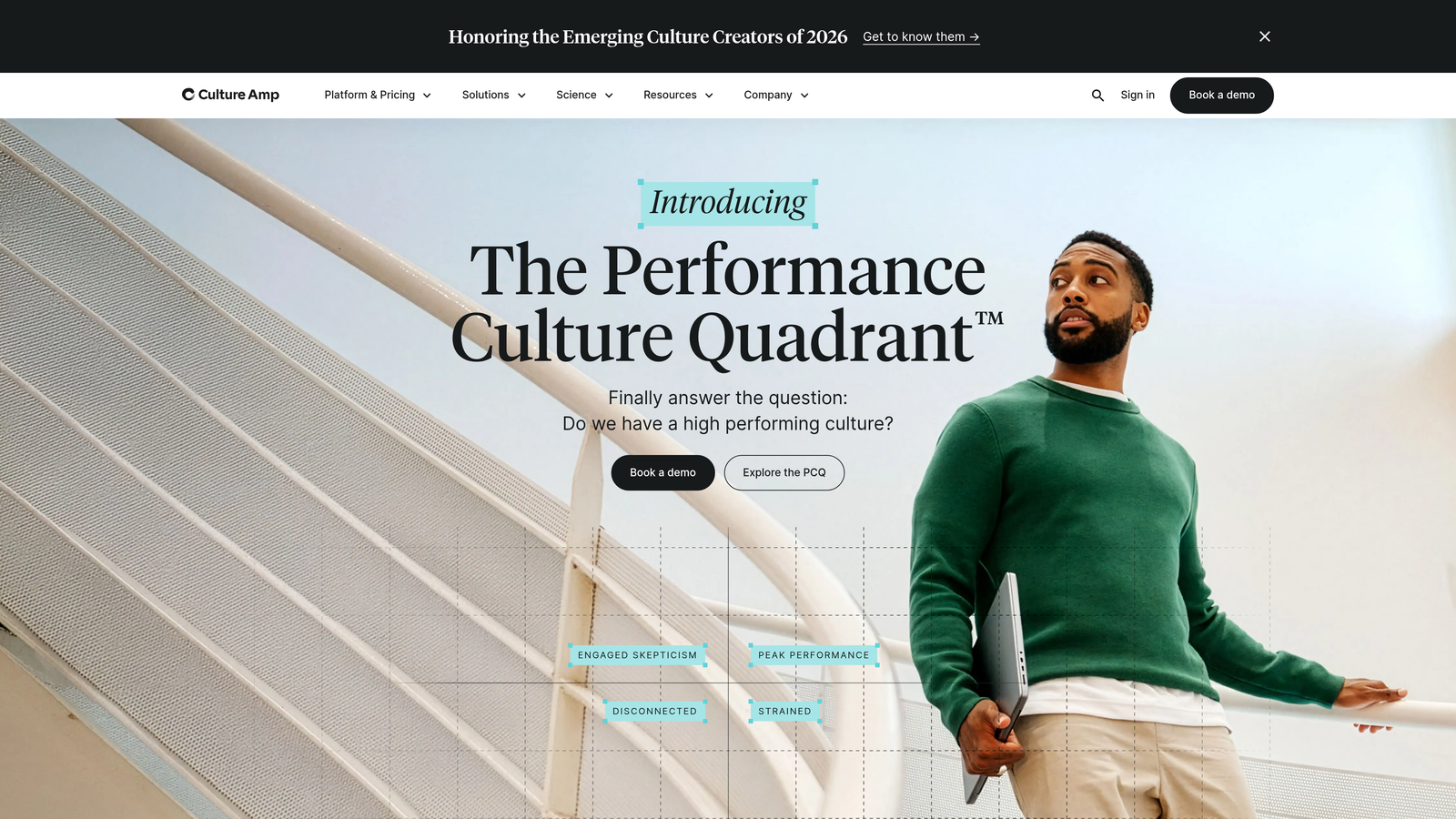
Culture Amp helps companies measure employee engagement, identify turnover risks, and take action through data-driven insights tailored for support teams.
Where This Tool Shines
The platform's predictive analytics identify flight risk before agents start job hunting. By analyzing engagement patterns and comparing against support team benchmarks, Culture Amp flags concerning trends early enough to intervene.
The action planning features turn survey results into concrete improvements. Instead of just collecting feedback that sits in a report, managers get specific recommendations for addressing issues their team raised.
Key Features
Pulse Surveys with Benchmarks: Regular check-ins compare your support team's engagement against industry standards.
Predictive Analytics: Identifies employees at risk of leaving based on engagement patterns and historical data.
Manager Effectiveness Tools: Helps team leads improve their management approach based on direct feedback.
Action Planning: Converts survey insights into specific, trackable improvement initiatives.
DEI and Belonging Measurement: Tracks whether all team members feel valued and included.
Best For
Support organizations serious about understanding why agents stay or leave. Most valuable when you have leadership buy-in to actually act on the insights, not just collect data.
Pricing
Custom pricing based on company size and features selected.
3. Assembled
Best for: Preventing burnout through intelligent scheduling and workload management
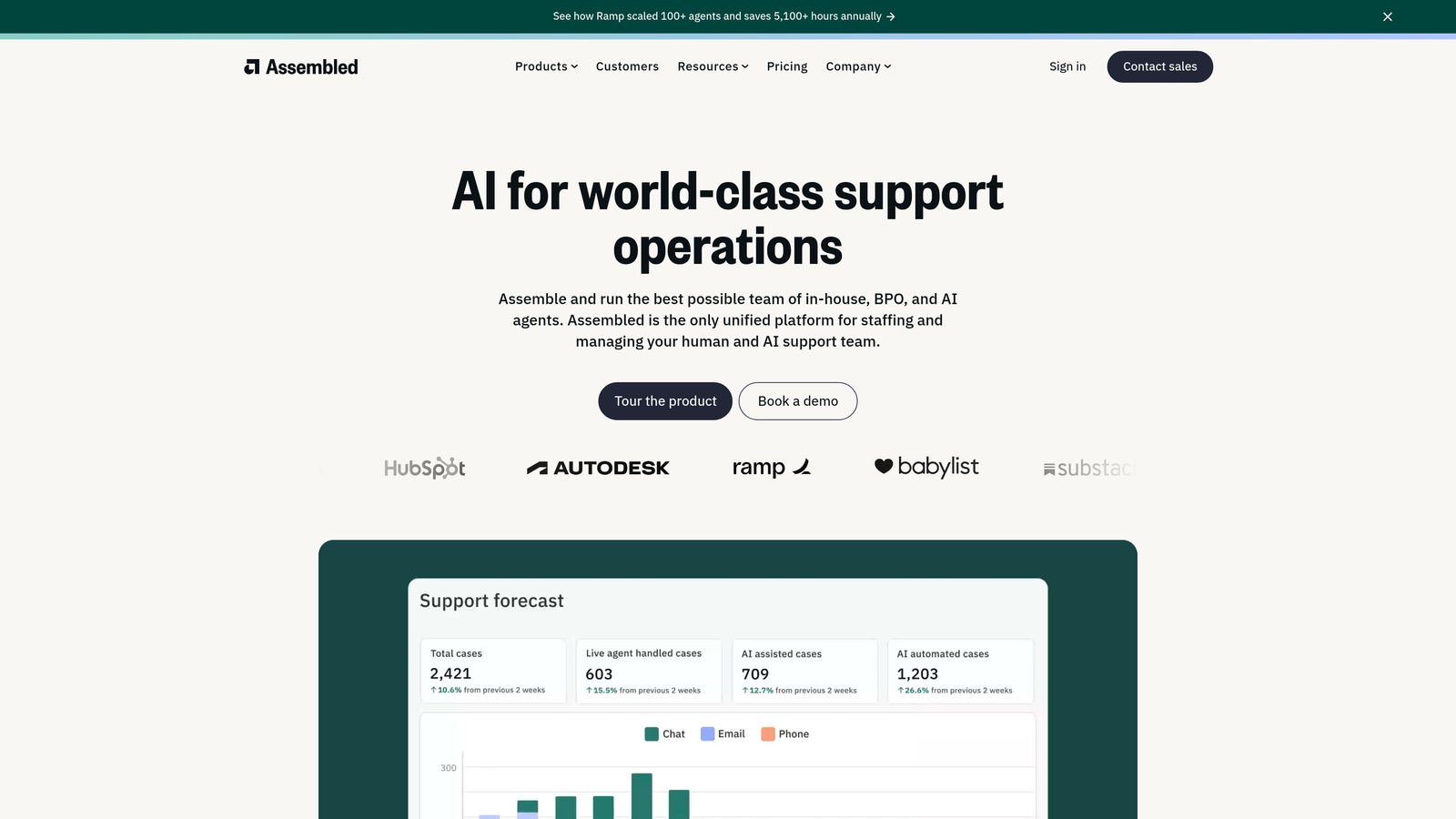
Assembled combines AI-powered forecasting, automated scheduling, and real-time management to optimize staffing and prevent the burnout that drives turnover.
Where This Tool Shines
Traditional workforce management often creates the problems it's meant to solve—rigid schedules that ignore agent preferences lead to dissatisfaction. Assembled takes a different approach, balancing business needs with agent flexibility.
The platform's forecasting accuracy means you're not constantly understaffed (burning out your team) or overstaffed (boring your team). Real-time adjustments ensure you can respond to unexpected volume spikes without panic.
Key Features
AI-Powered Demand Forecasting: Predicts ticket volume with high accuracy across channels and time zones.
Automated Schedule Optimization: Creates schedules that balance coverage needs with agent preferences and work-life balance.
Real-Time Monitoring: Tracks queue status and schedule adherence to make instant adjustments.
PTO and Shift Swap Management: Gives agents control over their schedules through self-service tools.
Helpdesk Integrations: Connects with Zendesk, Intercom, Front, and other major platforms.
Best For
Support teams where scheduling inflexibility and workload imbalance are driving turnover. Particularly valuable for teams with 20+ agents where manual scheduling becomes unmanageable.
Pricing
Starts at $15 per user per month.
4. Lattice
Best for: Creating clear career paths and growth opportunities for support agents
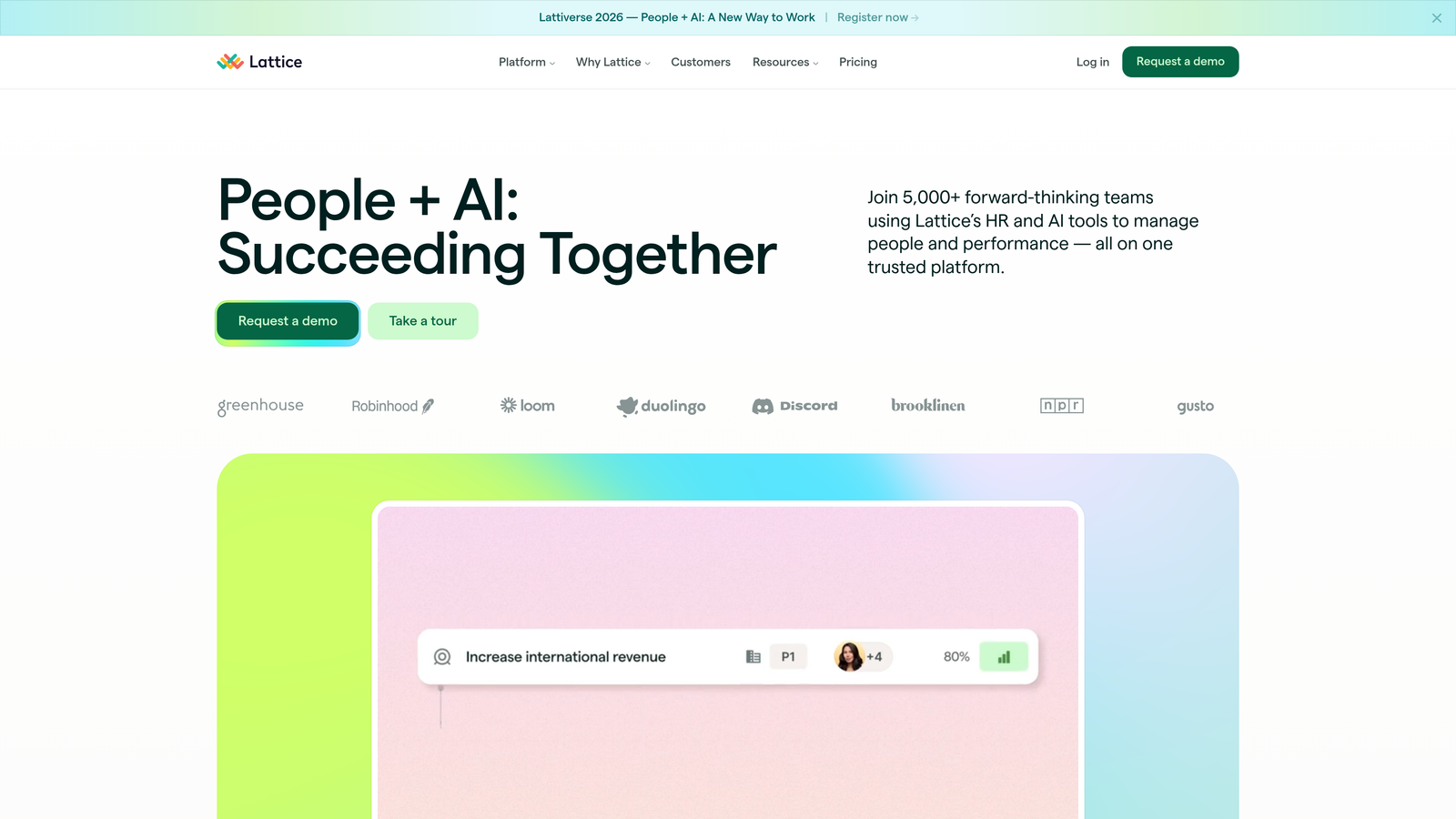
Lattice connects performance management, employee engagement, and career development to help support teams grow talent instead of constantly replacing it.
Where This Tool Shines
Many agents leave support roles because they see no path forward. Lattice makes career progression visible and achievable through structured frameworks that show exactly what skills and achievements lead to advancement.
The continuous feedback system replaces dreaded annual reviews with ongoing conversations. Agents know where they stand and what to improve without waiting months for formal feedback.
Key Features
Goal Setting and OKRs: Connects individual agent goals to team and company objectives.
Career Development Frameworks: Creates visible paths from support agent to senior roles or lateral moves.
Continuous Feedback Tools: Enables regular 1:1s and real-time feedback instead of annual reviews.
Performance Review Automation: Streamlines review cycles when you do need formal assessments.
Employee Recognition: Built-in tools for managers and peers to acknowledge great work.
Best For
Support organizations where lack of growth opportunities drives turnover. Most effective when paired with actual promotion opportunities and skill development programs.
Pricing
Starts at $11 per person per month.
5. Playvox
Best for: Making performance improvement engaging through gamification and coaching
Playvox transforms quality management from punitive to motivating through gamified dashboards, structured coaching, and recognition systems.
Where This Tool Shines
Traditional QA programs often feel like "gotcha" exercises that demoralize agents. Playvox reframes quality management as a game where agents can see their progress, compete with peers, and earn recognition for improvement.
The coaching modules help managers develop agents systematically rather than only giving feedback when something goes wrong. This shift from criticism to development dramatically improves how agents perceive performance management.
Key Features
Gamified Performance Dashboards: Turns metrics into engaging competitions with leaderboards and achievements.
Quality Assurance Scorecards: Standardizes evaluation criteria across your support team.
Coaching and Learning Modules: Provides structured development paths for common skill gaps.
Recognition and Rewards System: Lets managers and peers celebrate wins and milestones.
Workforce Management: Includes scheduling and forecasting capabilities alongside QA features.
Best For
Support teams where performance pressure and criticism contribute to turnover. Works best with managers who embrace coaching over policing.
Pricing
Custom pricing based on team size and features.
6. 15Five
Best for: Keeping managers connected with their teams through regular check-ins
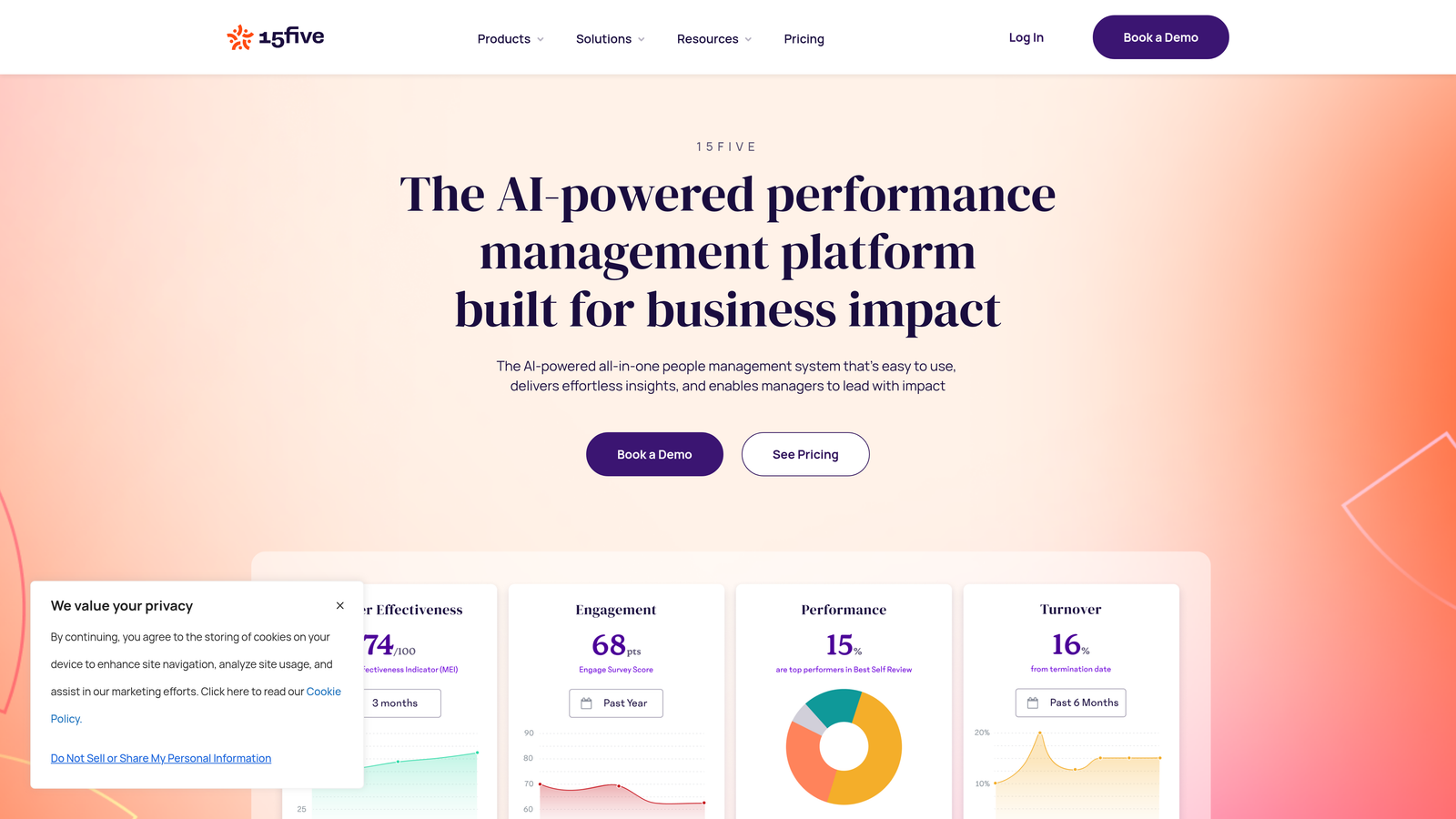
15Five facilitates continuous performance management through weekly check-ins, structured 1:1s, and recognition that helps managers catch problems before they become resignations.
Where This Tool Shines
The platform's weekly check-in surveys take just 15 minutes for employees and five minutes for managers to review. This lightweight approach surfaces issues early—an agent feeling overwhelmed, frustrated with a process, or considering other opportunities.
The high-five recognition system creates a culture of appreciation without requiring elaborate reward programs. Sometimes agents just need to know their work matters.
Key Features
Weekly Check-In Surveys: Quick pulse checks that surface issues before they escalate.
1:1 Meeting Tools: Structured agendas and tracking ensure productive manager conversations.
High-Five Recognition: Peer-to-peer and manager appreciation that builds positive culture.
Engagement Pulse Surveys: Deeper dives into team satisfaction and concerns.
Manager Training: Resources to help team leads become better coaches and leaders.
Best For
Support teams where poor manager relationships drive turnover. Most effective when managers actually read responses and take action on concerns raised.
Pricing
Starts at $4 per user per month.
7. Guru
Best for: Reducing agent frustration through instant access to verified knowledge
Guru gives support agents instant access to verified information right in their workflow, eliminating the frustration of hunting through outdated documentation while customers wait.

Where This Tool Shines
The browser extension means agents never leave their helpdesk to find answers. Guru's AI suggests relevant knowledge cards as they type, dramatically reducing resolution time and the stress of not knowing the answer.
The verification workflows ensure knowledge stays current. Nothing frustrates agents more than following outdated documentation and looking foolish to customers. Guru's system flags content for review before it becomes a liability.
Key Features
AI-Powered Suggestions: Surfaces relevant knowledge cards as agents work on tickets.
Browser Extension: Provides answers without leaving the helpdesk or other tools.
Verification Workflows: Ensures knowledge stays accurate through scheduled reviews and ownership.
Knowledge Gap Analytics: Identifies questions agents are asking that lack documented answers.
Platform Integrations: Works with Zendesk, Slack, Salesforce, and other support tools.
Best For
Support teams where agents waste time searching for information or give incorrect answers due to outdated documentation. Particularly valuable for complex products with frequent updates.
Pricing
Free tier available for small teams; paid plans start at $10 per user per month.
8. Tymeshift
Best for: Zendesk teams needing native workforce management and scheduling
Tymeshift provides automated scheduling, forecasting, and performance insights built specifically for Zendesk support teams.
Where This Tool Shines
As a native Zendesk app, Tymeshift requires no data exports or separate logins. Everything lives inside the platform your team already uses, reducing friction and increasing adoption.
The shift bidding feature gives agents control over their schedules. Instead of being assigned shifts, they bid on preferred times. This autonomy significantly improves work-life balance and reduces the resentment that rigid scheduling creates.
Key Features
Native Zendesk Integration: Works entirely within Zendesk with no separate platform to learn.
Automated Schedule Generation: Creates optimal schedules based on forecasted demand and agent preferences.
Real-Time Adherence Tracking: Monitors whether agents are working their scheduled hours and activities.
Performance Analytics: Provides dashboards on productivity, attendance, and efficiency metrics.
Shift Bidding and Flexibility: Lets agents choose shifts that work for their lives.
Best For
Zendesk-exclusive support teams where scheduling inflexibility contributes to turnover. Less suitable if you use multiple helpdesk platforms.
Pricing
Starts at $15 per agent per month.
9. Bonusly
Best for: Creating a culture of peer recognition and appreciation
Bonusly enables peer-to-peer recognition through a points-based system where agents can appreciate colleagues and redeem points for meaningful rewards.
Where This Tool Shines
Recognition from peers often matters more than praise from managers. Bonusly makes it easy for agents to shout out colleagues who helped with a difficult customer, shared knowledge, or simply made their day better.
The reward catalog offers genuine value—gift cards, donations to charities, company swag, and experiences. This tangible appreciation makes recognition feel real rather than performative.
Key Features
Peer-to-Peer Recognition: Any team member can give points and public appreciation to colleagues.
Slack and Teams Integration: Recognition happens where teams already communicate.
Extensive Reward Catalog: Gift cards, charitable donations, company merchandise, and experiences.
Recognition Analytics: Shows patterns in who gives and receives recognition across the team.
Company Values Alignment: Ties recognition to specific values you want to reinforce.
Best For
Support teams where lack of appreciation and recognition contributes to turnover. Most effective when leadership participates actively rather than treating it as an HR initiative.
Pricing
Starts at $3 per user per month.
Finding Your Retention Strategy
Choosing the right solution depends on your primary turnover driver.
If agents are drowning in repetitive tickets that make every day feel like Groundhog Day, AI automation like Halo AI removes that burden. When your team can focus on complex, meaningful work instead of answering the same questions for the hundredth time, job satisfaction improves dramatically.
If engagement and career growth are the issues—agents feel stuck with no path forward—platforms like Culture Amp or Lattice address those gaps. You need visibility into what's actually bothering your team and structured ways to help them develop.
For scheduling and burnout problems, Assembled or Tymeshift bring balance. Rigid schedules that ignore agent preferences create resentment. Giving people control over their time shows you respect their lives outside work.
Many teams find the best results come from combining approaches. Automate the tedious work while simultaneously investing in engagement and recognition. A great schedule doesn't matter if the work itself is soul-crushing. Amazing career development opportunities don't help if agents burn out before they can take advantage of them.
Start by identifying why your agents are leaving. Exit interviews, engagement surveys, and honest conversations with current team members reveal the real problems. Then match the solution to the root cause.
Your support team shouldn't scale linearly with your customer base. Let AI agents handle routine tickets, guide users through your product, and surface business intelligence while your team focuses on complex issues that need a human touch. See Halo in action and discover how continuous learning transforms every interaction into smarter, faster support.