9 Best AI Support Tools for Software Companies in 2026
Software companies need AI support tools that can handle complex technical queries from developers and product teams, not generic chatbot responses. This guide reviews the 9 best AI support for software companies in 2026—platforms that understand code contexts, integrate with development workflows like Linear, and can resolve API debugging and integration questions that traditional support teams struggle to address at scale.
 Grant CooperFounder12 min read
Software companies face a unique support challenge that keeps getting harder. Your users aren't just customers—they're developers, product managers, and technical teams who expect instant answers to complex integration questions. They're working with your API at 2 AM and need help debugging webhook configurations, not generic "Have you tried restarting?" responses.
Traditional support teams can't keep pace. Every product release changes documentation. Every new feature creates questions your knowledge base hasn't caught up to yet. And generic AI chatbots? They fumble technical queries, can't understand code contexts, and definitely can't create proper bug tickets in Linear.
The good news: AI support tools built specifically for software companies are finally here. These platforms understand technical terminology, integrate with development workflows, and can actually resolve the kinds of issues that matter to your users. Here are the top solutions worth considering.
1. Halo AI
Best for: Software teams wanting AI that understands product context and integrates with development workflows
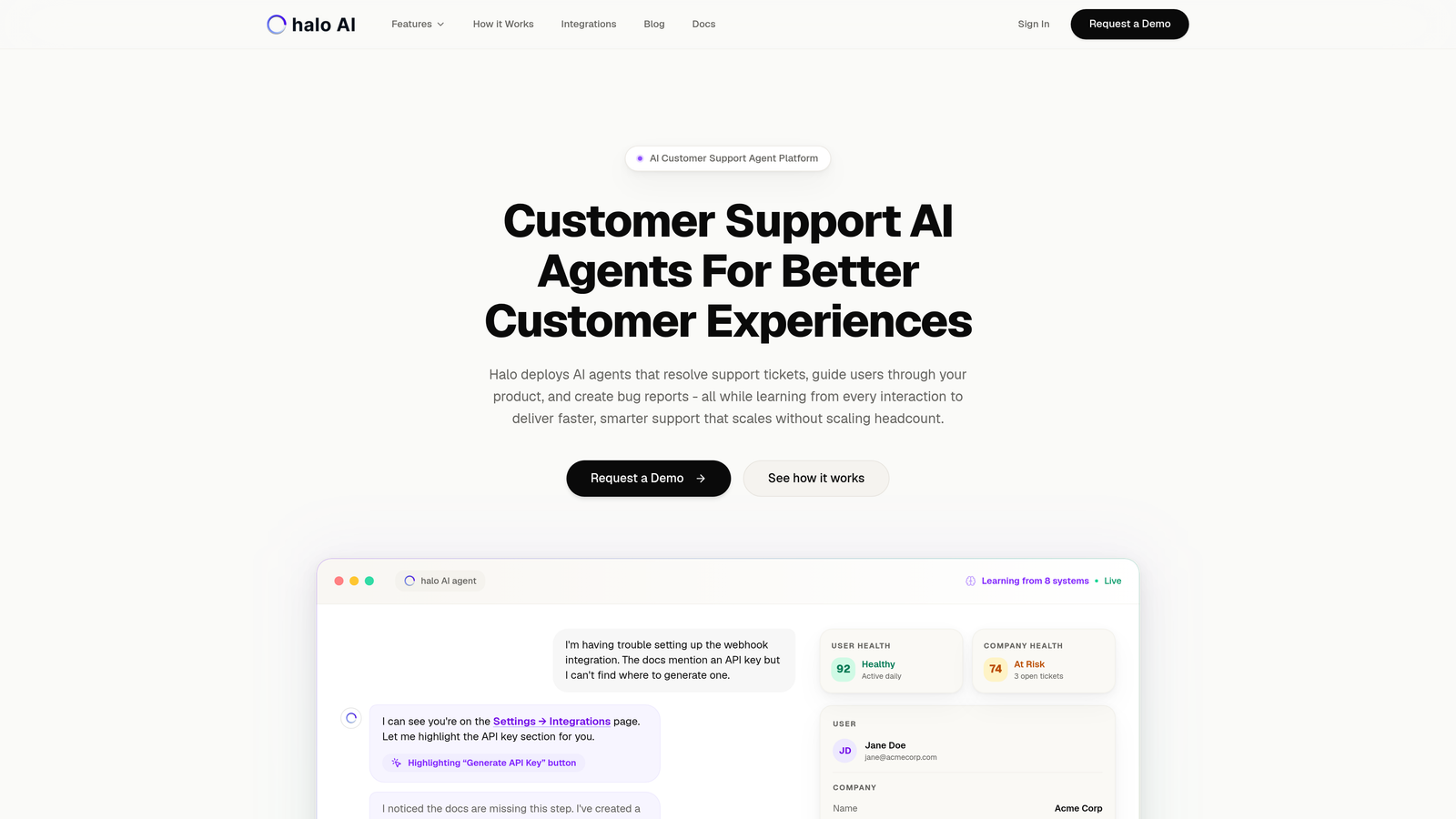
Halo AI is an AI-powered customer support platform built specifically for software companies that need support automation matching their technical standards.
Where This Tool Shines
What sets Halo apart is its page-aware intelligence. The AI sees exactly what your users see in your product interface, providing contextual guidance based on their actual screen rather than guessing from text descriptions. This eliminates the frustrating back-and-forth of "What page are you on?" and "Can you send a screenshot?"
The continuous learning architecture means every resolved ticket makes the system smarter. Unlike static chatbots that require manual updates, Halo learns from every interaction—including how your human agents solve complex issues. This creates a support system that gets better over time rather than becoming outdated with each product release.
Key Features
Page-Aware Chat Widget: Sees your user's exact interface state to provide visual UI guidance without screenshots or lengthy explanations.
Auto Bug Ticket Creation: Automatically creates properly formatted bug reports in Linear with reproduction steps, user context, and technical details when issues are detected.
Continuous Learning System: Learns from every interaction, agent resolution, and product change to improve accuracy without manual retraining.
Smart Inbox with Business Intelligence: Surfaces customer health signals, revenue intelligence, and anomaly detection beyond basic support metrics.
Development Stack Integrations: Connects with Linear, Slack, HubSpot, Intercom, Stripe, Zoom, PandaDoc, and Fathom for complete workflow automation.
Best For
SaaS companies and dev tool teams that need AI understanding their product deeply rather than providing generic responses. Particularly valuable for teams using Linear for issue tracking and wanting support automation that integrates with their existing development workflow.
Pricing
Contact for pricing based on ticket volume and integration requirements.
2. Intercom Fin
Best for: Teams already using Intercom who want GPT-4 powered automation within their existing platform
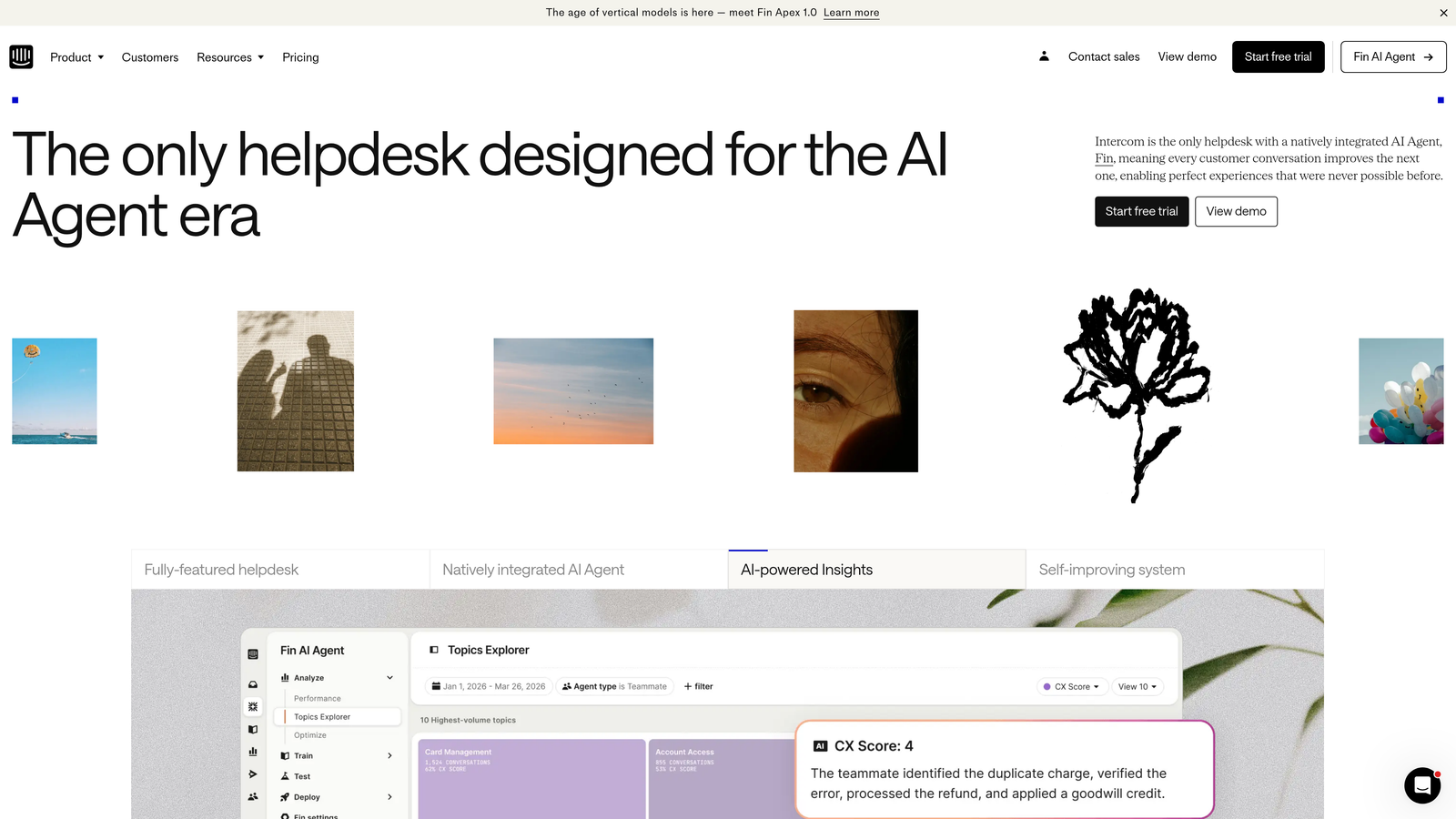
Intercom Fin is an AI chatbot built on GPT-4 that integrates deeply with Intercom's customer messaging platform for conversational support.
Where This Tool Shines
Fin excels at natural conversation with proper source attribution. When it answers a question, it cites exactly which help article or previous conversation it learned from. This transparency builds user trust and helps your team identify knowledge gaps in your documentation.
The seamless handoff to human agents happens within the same conversation thread. Users don't get transferred to a different system or have to repeat their issue—the context flows naturally from AI to human support.
Key Features
GPT-4 Powered Conversations: Leverages advanced language understanding with responses grounded in your actual help content and conversation history.
Source Citation System: Shows users exactly where information came from, building credibility and helping identify documentation that needs updating.
Proactive Support Messaging: Triggers targeted messages based on user behavior to prevent issues before they become support tickets.
Native Intercom Integration: Works within your existing Intercom workspace with unified reporting and conversation management.
Multi-Language Support: Handles conversations in 43 languages using the same underlying knowledge base.
Best For
Software companies already invested in the Intercom ecosystem who want to extend their platform with AI rather than adopting a separate support tool. Works well for teams with strong help center documentation.
Pricing
Starts at $0.99 per resolution, making it cost-effective for companies with moderate support volume.
3. Zendesk AI
Best for: Enterprise software companies needing AI capabilities at scale across large support operations
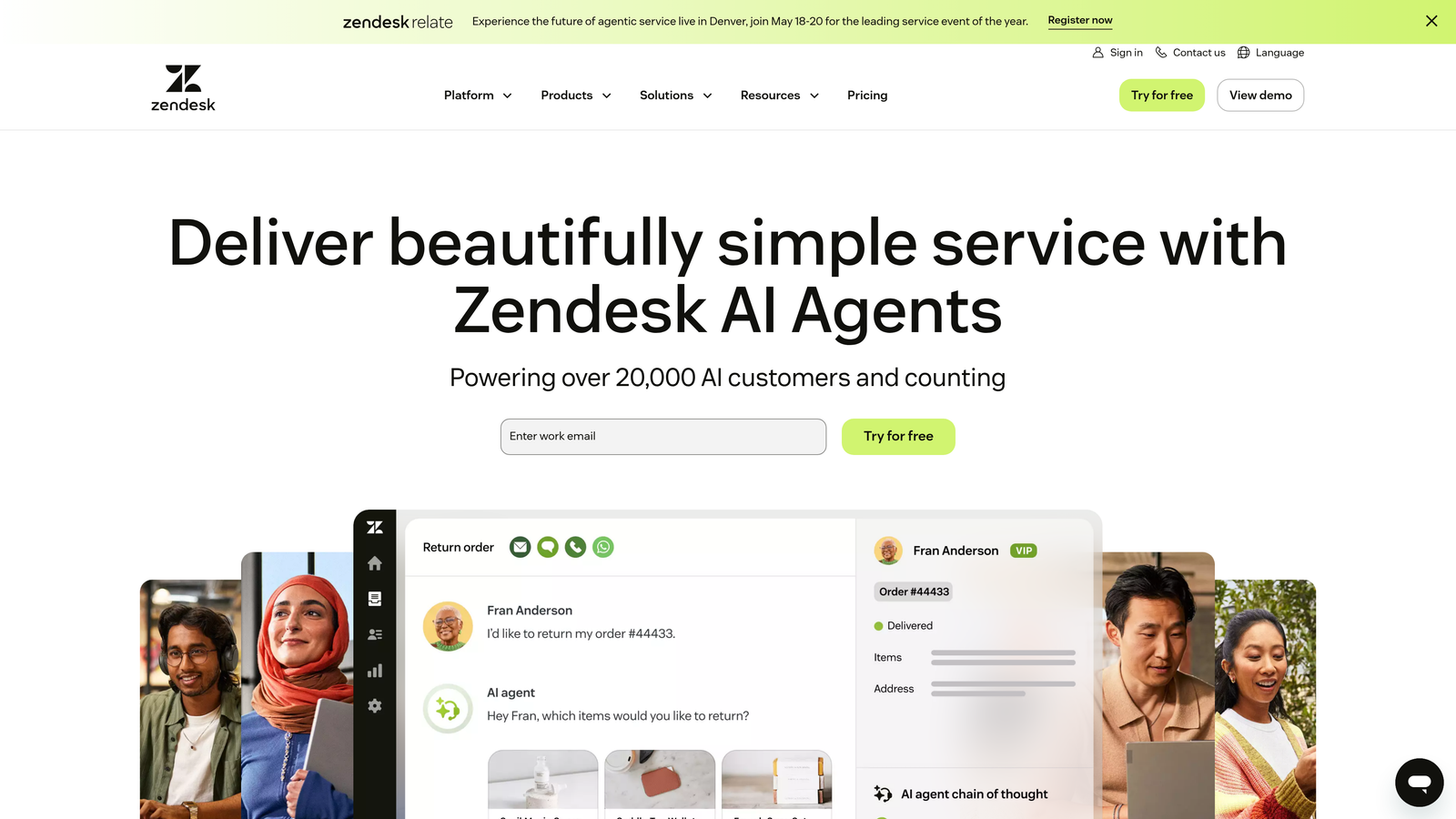
Zendesk AI provides enterprise-grade AI capabilities built into the Zendesk support suite for large-scale customer service operations.
Where This Tool Shines
Zendesk AI handles volume that would overwhelm smaller platforms. The intent detection and intelligent routing system processes thousands of tickets simultaneously, categorizing technical issues and directing them to specialized teams without manual triage.
The generative AI agent assistance provides real-time suggestions as your human agents work. It analyzes the ticket, reviews similar past resolutions, and drafts responses that agents can edit rather than writing from scratch—dramatically reducing handle time for technical queries.
Key Features
Intent Detection and Routing: Automatically identifies ticket type and technical complexity to route to the appropriate team or escalation path.
Generative AI Agent Assist: Provides real-time response suggestions based on ticket context, knowledge base, and historical resolutions.
Comprehensive Analytics: Tracks AI performance, resolution accuracy, and identifies trending technical issues across your product.
Pre-Trained Support Models: Comes with models already trained on customer support scenarios rather than requiring extensive setup.
Advanced Workflow Automation: Creates complex automation rules combining AI predictions with business logic for sophisticated ticket handling.
Best For
Enterprise software companies with established Zendesk infrastructure handling high ticket volumes. Ideal for teams needing robust reporting and compliance features alongside AI automation.
Pricing
AI capabilities included in Suite plans starting at $55 per agent per month, with enterprise features in higher tiers.
4. Ada
Best for: Global software companies needing multilingual support automation without code-heavy implementation
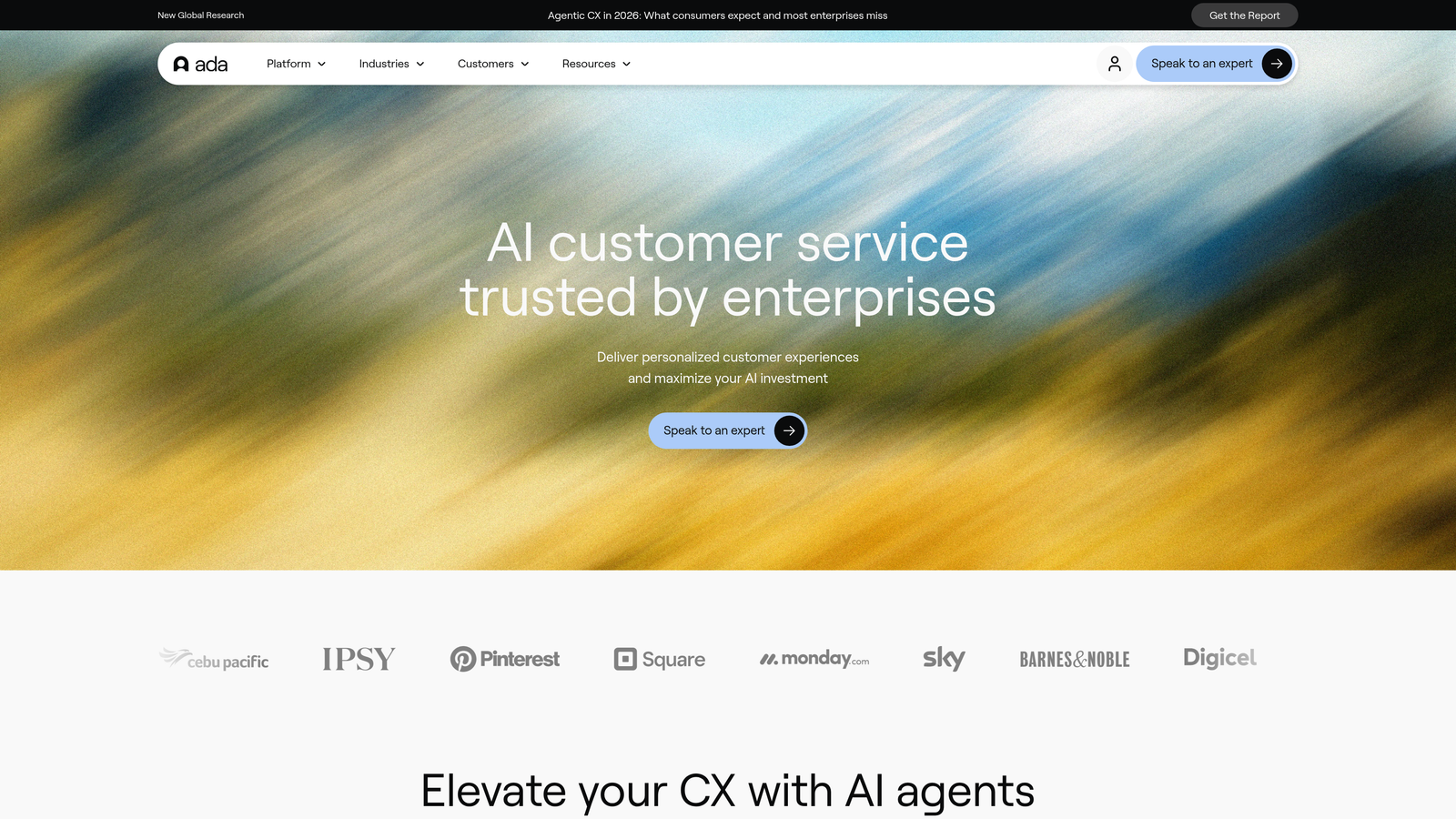
Ada is an AI-first customer service automation platform designed for high-volume, multilingual support across multiple channels.
Where This Tool Shines
Ada's no-code automation builder lets product teams create sophisticated support workflows without engineering resources. You build conversation flows visually, test them in real-time, and deploy updates instantly—no development cycle required.
The 50+ language support isn't just translation. Ada understands technical terminology and product-specific vocabulary across languages, maintaining accuracy whether users ask about API rate limits in English or webhook configurations in Japanese.
Key Features
No-Code Automation Builder: Visual workflow creator that lets non-technical teams design and deploy complex support automation.
Multilingual Intelligence: Supports 50+ languages with context-aware understanding of technical terminology in each language.
Customer Data Personalization: Pulls information from your CRM and product database to personalize responses based on user tier, product usage, and account status.
Omnichannel Deployment: Consistent experience across web, mobile app, SMS, and social media channels from a single automation setup.
Advanced Analytics Dashboard: Tracks automation performance, identifies conversation drop-off points, and measures resolution accuracy by topic.
Best For
Software companies with global user bases needing support automation in multiple languages. Particularly valuable for teams without dedicated developers who want to build and iterate on automation quickly.
Pricing
Custom pricing based on resolution volume and language requirements. Typically starts in the mid-four-figures monthly for growing software companies.
5. Freshdesk Freddy AI
Best for: Growing software companies wanting AI assistance at a predictable price point with room to scale
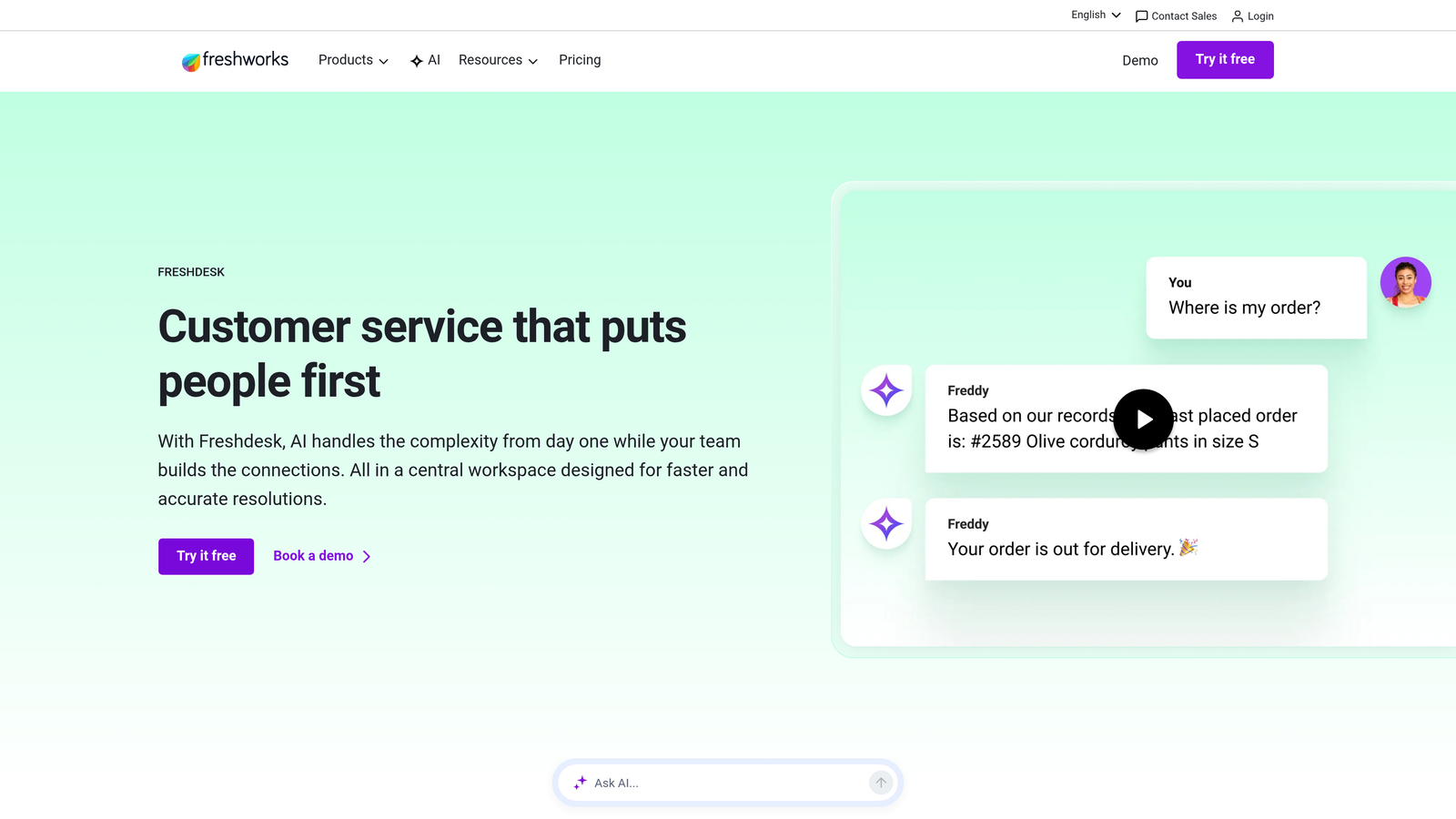
Freshdesk Freddy AI is an AI assistant integrated into Freshdesk providing automated responses, intelligent ticket triage, and agent assistance features.
Where This Tool Shines
Freddy AI excels at predictive support suggestions that catch issues before they escalate. It analyzes ticket patterns and proactively suggests knowledge base articles or automation rules when it detects recurring technical problems—helping your team build better documentation.
The agent assist feature provides response suggestions that actually understand technical context. When a user asks about OAuth implementation, Freddy pulls from relevant API documentation and similar resolved tickets rather than generic troubleshooting steps.
Key Features
Predictive Support Suggestions: Identifies patterns in incoming tickets and recommends knowledge base improvements or automation opportunities.
Auto-Triage and Categorization: Automatically tags tickets with technical categories, priority levels, and routes to appropriate teams based on content analysis.
Knowledge Base Learning: Continuously learns from your documentation updates and suggests articles to users based on their query intent.
Agent Response Assistance: Drafts contextual responses for agents to review and send, reducing time spent on routine technical questions.
Sentiment Analysis: Detects frustrated users in technical conversations and escalates to senior support or account management.
Best For
Mid-sized software companies that need solid AI capabilities without enterprise complexity or pricing. Works well for teams transitioning from manual support to AI-assisted workflows.
Pricing
AI features available in Pro plan at $49 per agent per month, making it accessible for growing teams.
6. Kustomer IQ
Best for: Software companies wanting unified customer context beyond just support ticket history
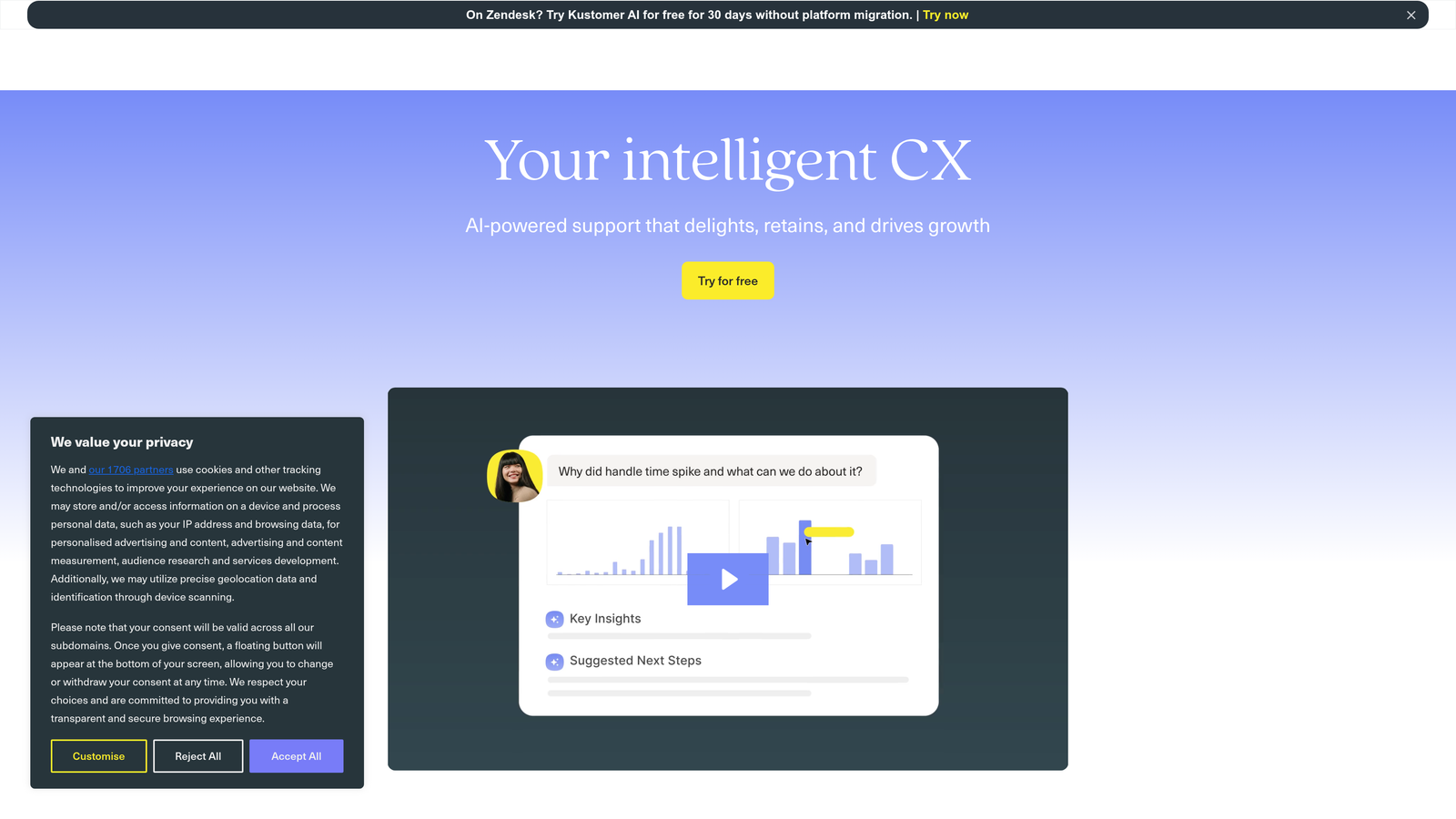
Kustomer IQ is an AI-powered CRM platform with a unified customer timeline and intelligent automation for comprehensive customer management.
Where This Tool Shines
The unified customer timeline view brings together support tickets, product usage data, billing history, and conversation logs in a single interface. When a user contacts support about integration issues, your team sees their API call patterns, recent feature usage, and previous technical discussions without switching systems.
Intent classification goes deeper than basic categorization. Kustomer IQ understands the difference between a bug report, a feature request disguised as a question, and a genuine how-to query—routing each appropriately and flagging product feedback for your team.
Key Features
Unified Customer Timeline: Consolidates support history, product usage, billing events, and conversations into a single chronological view.
Intent Classification and Routing: Analyzes technical queries to distinguish between bugs, feature requests, documentation gaps, and user errors.
Proactive Outreach Automation: Triggers messages based on product usage patterns, like reaching out when API error rates spike for a customer.
Sentiment Analysis: Monitors conversation tone to identify at-risk accounts or frustrated technical users needing escalation.
Cross-Channel Conversation Threading: Links email, chat, and phone conversations with the same user into unified threads regardless of channel.
Best For
B2B software companies with complex customer relationships where support context extends beyond individual tickets. Particularly valuable for teams wanting to connect support data with product usage and revenue metrics.
Pricing
Enterprise plan with AI capabilities starts at $89 per user per month with annual commitment.
7. Forethought
Best for: Enterprise software companies needing advanced generative AI with predictive workflow automation
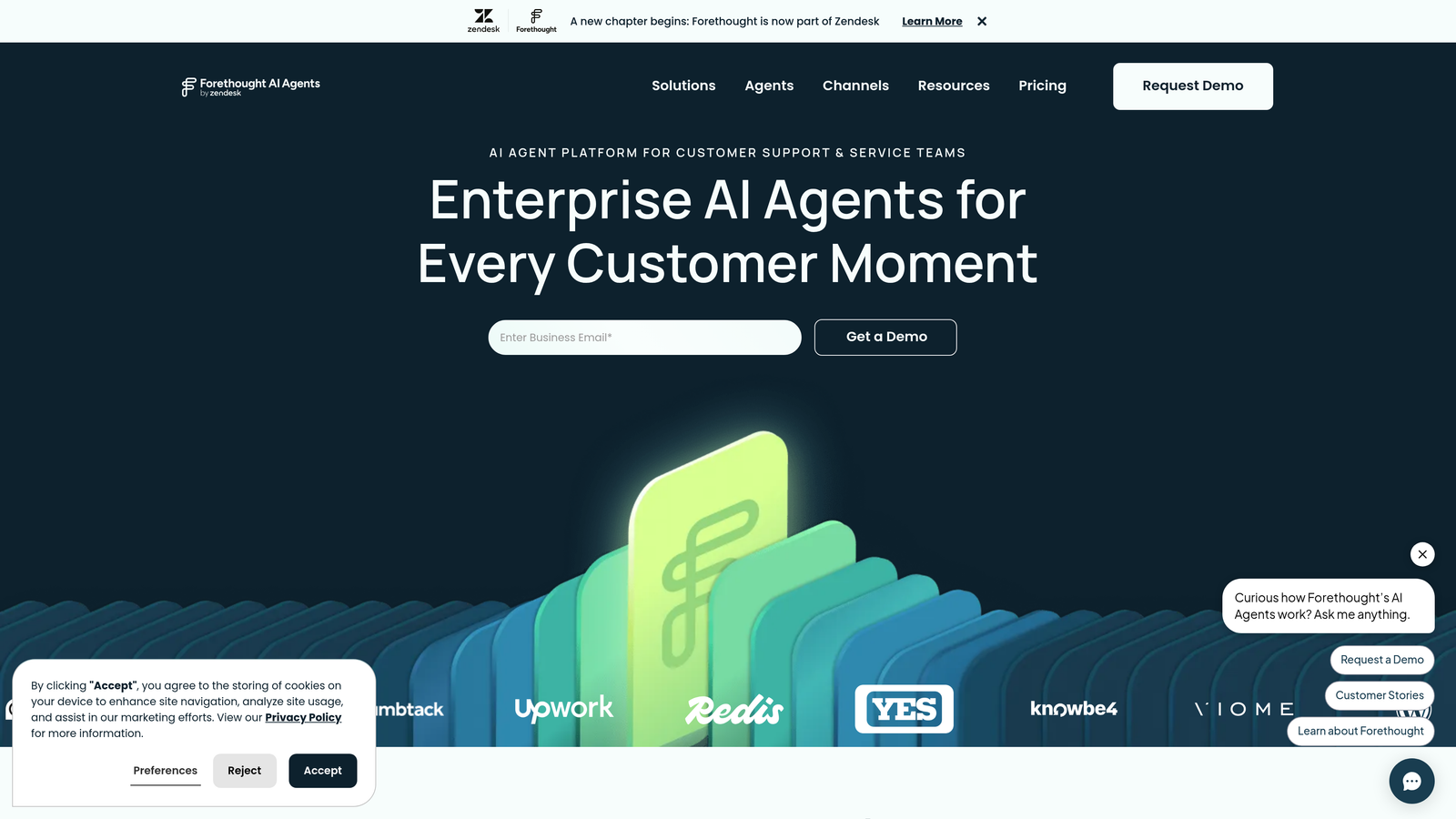
Forethought is an enterprise AI platform with SupportGPT for generative responses and predictive ticket management capabilities.
Where This Tool Shines
SupportGPT generates responses that sound natural while staying grounded in your technical documentation. Unlike generic language models that might hallucinate API endpoints or feature capabilities, it restricts answers to verified information from your knowledge base and past resolutions.
The predictive ticket routing analyzes incoming technical questions and predicts resolution time, required expertise level, and escalation probability before assignment. This helps balance workload across your technical support team and ensures complex integration questions reach senior engineers quickly.
Key Features
SupportGPT Generative Responses: Creates natural-sounding answers grounded in your documentation without inventing non-existent features or capabilities.
Predictive Ticket Routing: Forecasts resolution complexity and routes technical questions to appropriate team members based on expertise and availability.
Workflow Automation Builder: Creates sophisticated automation combining AI predictions with business rules for complex support scenarios.
Knowledge Retrieval Optimization: Continuously improves which knowledge base articles get surfaced for specific technical queries based on resolution success.
Agent Efficiency Analytics: Tracks how AI assistance impacts agent productivity and identifies opportunities for additional automation.
Best For
Large software companies with complex technical support requirements and the volume to justify enterprise-level investment. Works best for teams with extensive documentation and established support processes to optimize.
Pricing
Custom enterprise pricing based on ticket volume, integrations, and feature requirements. Typically requires annual contracts.
8. Tidio
Best for: Startups and early-stage software companies needing affordable AI without sacrificing capabilities
Tidio is an affordable AI chatbot and live chat platform suited for startups and growing software companies with limited budgets.
Where This Tool Shines
Lyro AI chatbot gets you running quickly without extensive setup. You connect your knowledge base, set basic parameters, and it starts handling common technical questions within hours rather than weeks of configuration.
The visual chatbot builder lets you create custom flows for technical onboarding or integration guidance without coding. You can build a conversation that walks users through API key generation or webhook setup using a drag-and-drop interface.
Key Features
Lyro AI Chatbot: Quick-setup AI that learns from your knowledge base and starts resolving common technical questions with minimal configuration.
Live Chat with Chatbot Handoff: Seamlessly transfers conversations from AI to human agents when technical complexity exceeds automation capabilities.
Visual Chatbot Builder: Create custom conversation flows for onboarding, integration setup, or troubleshooting without writing code.
SaaS Platform Integrations: Connects with Shopify, WordPress, and common SaaS tools for basic customer data access.
Mobile Apps: Manage conversations and monitor chatbot performance from iOS and Android apps.
Best For
Early-stage software companies and bootstrapped startups that need AI support capabilities without enterprise pricing. Ideal for teams with straightforward technical support needs and limited documentation.
Pricing
Lyro AI starts at $29 per month for 50 conversations, with volume-based pricing as you scale.
9. Help Scout
Best for: Software teams prioritizing human-centric support with AI as an assistant rather than replacement
Help Scout is a human-centric help desk with AI features designed to assist support teams rather than replace them entirely.
Where This Tool Shines
The AI draft response system provides intelligent starting points that agents review and personalize before sending. This maintains the human touch your technical users appreciate while reducing the time agents spend writing routine responses about common integration questions or setup procedures.
Summarization for long technical threads helps agents quickly understand complex issues without reading dozens of back-and-forth messages. When a user has been troubleshooting an API integration across multiple emails, the AI summary highlights the key technical details and attempted solutions.
Key Features
AI Draft Responses: Generates response suggestions based on ticket content and knowledge base that agents review and personalize before sending.
Thread Summarization: Creates concise summaries of long technical conversations highlighting key issues, attempted solutions, and current status.
Clean Interface Design: Distraction-free workspace that keeps focus on customer conversations rather than overwhelming agents with features.
Docs Knowledge Base Integration: Tightly integrated documentation platform that AI references for accurate technical responses.
Customer Properties: Pulls product usage data and account information into conversations for personalized technical support.
Best For
Software companies that value maintaining personal relationships with technical users while using AI to improve efficiency. Particularly suited for B2B SaaS teams where support interactions influence retention and expansion.
Pricing
Plus plan with AI features at $40 per user per month, positioned between budget and enterprise options.
Making the Right Choice
The right AI support tool for your software company depends on your technical complexity, existing infrastructure, and where you are in your growth journey.
If you need AI that truly understands your product context and integrates with development workflows, Halo AI delivers page-aware intelligence and auto bug creation that generic chatbots can't match. The continuous learning means your support gets smarter with every interaction rather than requiring constant manual updates.
Enterprise teams already invested in Zendesk or Intercom ecosystems often find extending those platforms with native AI makes more sense than adopting separate tools. Zendesk AI handles massive scale with sophisticated routing, while Intercom Fin provides natural conversations with proper source attribution.
Growing startups watching budgets typically find strong value in Tidio or Freshdesk. Tidio gets you running quickly at startup-friendly pricing, while Freshdesk provides room to scale without jumping to enterprise costs.
For global software companies, Ada's multilingual capabilities and no-code builder let product teams deploy support automation across markets without engineering resources. And if you're prioritizing the human element while using AI to assist rather than replace, Help Scout maintains that personal touch your technical users appreciate.
Whatever you choose, prioritize tools that learn from your specific product knowledge rather than relying solely on generic language models. Your users expect support that understands technical terminology, can troubleshoot integration issues, and stays current with your rapid product changes. Generic chatbots trained on general internet knowledge won't cut it.
Your support team shouldn't scale linearly with your customer base. Let AI agents handle routine tickets, guide users through your product, and surface business intelligence while your team focuses on complex issues that need a human touch. See Halo in action and discover how continuous learning transforms every interaction into smarter, faster support.